








One of the most significant things required to practice medicine is credentialing. Without the credentialing process, no healthcare professional can work legally. Also, to maintain quality in the healthcare sector, credentialing is necessary. Credentialing for medical providers is a lengthy and complex process.
To solve all the queries and how to make the process smoother and time-saving, here is the complete guide for credentialing for medical providers.
What is Provider Credentialing?
Credentialing for medical providers is the process through which the healthcare organizations check and verify the credentials of a healthcare provider. Credentialing is important to make sure whether the information and documents provided by the provider are correct and valid. Thus, this process checks the authenticity of the medical provider.
The Process
Though the credentialing process begins with the credentialing organization, but it actually begins with the provider. The common information that is verified is education, training, residency, licenses, and career history.
Many large healthcare facilities have dedicated teams that look after the credentialing process for the facility. The task of these organizations is to track the credentialing process.
A small mistake that many providers make while filling up the credentialing form is they submit incorrect or partial information. The submission of inaccurate or partial information leads to the delay in the already lengthy process and sometimes even leads to the cancellation of the process.
The credentialing application is reviewed by the stakeholders after successful submission. A significantly big facility has a dedicated committee to review the application. In other facilities, the HR teams take care of the further procedure.
After the successful review of the application, when the committee finds no issues in the application, the organization awards the provider credential for practicing in the facility.
Regulators for Credentialing for Medical Providers
The federal Centers for Medicare & Medicaid Services (CMS) and the Joint Commission on Accreditation of Healthcare Organizations regulate the credentialing of medical providers in the US. The organizations that do not meet the guidelines and standards of the CMS are not eligible for Medicare or Medicaid reimbursements. Besides these, states also have their own regulations. For additional accreditations, there are other groups as well like-
- The Utilization Review Accreditation Commission (URAC)
- The National Committee for Quality Assurance (NCQA)
- Det Norske Veritas (DNV)
- The Accreditation Association for Ambulatory Healthcare (AAAHC)
How lengthy is the process?
Credentialing process usually takes about 90 days. This is one of the biggest setbacks of the entire process. This lengthy process may have many impacts on the healthcare facility and the provider as well. Till the credentialing for medical providers is not completed, they cannot practice. Even if the credentialing application is in process and the healthcare facility allows the provider to practice, then legal actions can be taken against the players involved.
Common Information Required
Name | Photograph | Languages Known |
Previous name(s) | CV | Hospital Affiliations |
Gender | Education | Medical group affiliations |
Ethnicity | Residency | NPI number |
Mailing address | Malpractices Claims history | |
Email address | Specialty | Board certifications |
Phone Number | Specialty Certificates | Sanctions/disciplinary actions |
Citizenship | Career History | Peer references |
Compliance issues in credentialing
Credentialing is a significant compliance issue. Just like a medical license, unless a physician has credentials to work in an organization, they cannot practice in that organization or healthcare facility. It does not matter if the individual has their license; without credentialing, no individual is allowed to practice.
If the organization gives permission to a physician whose credentialing is in process, the organization is liable to face legal actions. Unless the credentialing committee provides the credentials, organizations cannot allow individuals to practice in their facilities.
Common problems that delay credentialing
Credentialing is a lengthy process, and if any problem arises, then it can further delay the process. There are three major roadblocks that delay the process.
- Different states have different regulations. It is important to understand the state regulations of the state that the provider wishes to apply for.
- The most common issue for the delay in the credentialing process is missing or incorrect information provided by the applicant in the form. These missing pieces of information tend to slow down the process.
- CVOs (Credentials Verification Organizations) sometimes misunderstand credentialing responsibilities. Therefore, every healthcare organization must conduct its own credentialing to accept patients’ insurance.
How to make the process smooth?
There are many ways that can make medical credentialing for doctors easy and effortless. By following these steps, doctors can focus more on their patients than worrying about credentialing.
- Start the process early. To avoid any delay, you should keep in mind that the window is of 150 days rather than 90 days.
- Knowing the state’s regulations is always a plus point. Moreover, you should also know the latest updates in the guidelines by the state you are applying to.
- Carefully fill out the application and avoid any errors. To make sure you fill out the application correctly, carefully read the instructions.
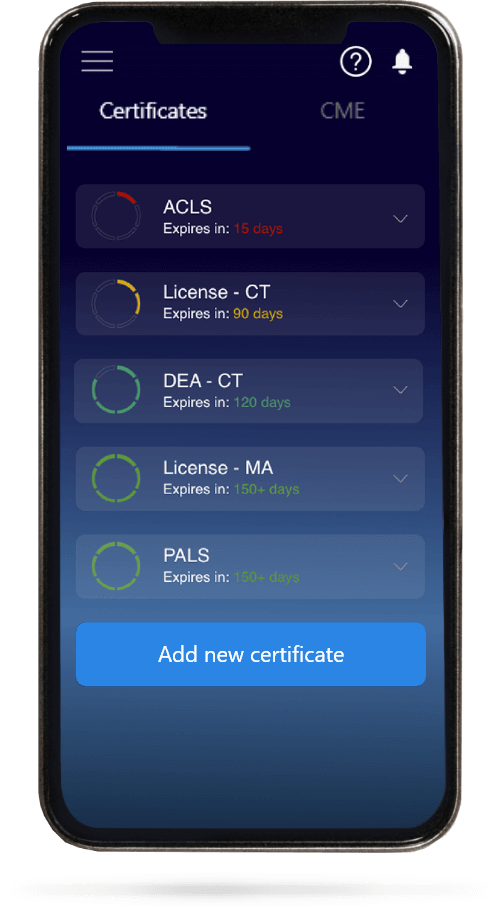
- Always keep the documents available on your mobile and laptop in case of a last-minute emergency. Also, one should use software to remind about the expiration of credentials and licenses to avoid deadlines. Moreover, the credentialing software can help reduce the errors in the application.
- Usually, there are two professional references are required. The applicant should have at least two extra references to make sure their application is not delayed because the credentialing organization can’t reach the given references.
When you’re getting ready to start or grow your medical practice, think about collaborating with credentialing specialists. The procedure is smooth, open, and stress-free at medtigo Connect.
medtigo connects professional assistance that can streamline your medical credentialing and practice setup.
To learn more about our credentialing services and how we can help you launch your medical practice more quickly, get in touch with our helpful staff at support@medtigo.com. We’re available to help you with any questions you may have and to walk you through the entire process.








One Response
thank you