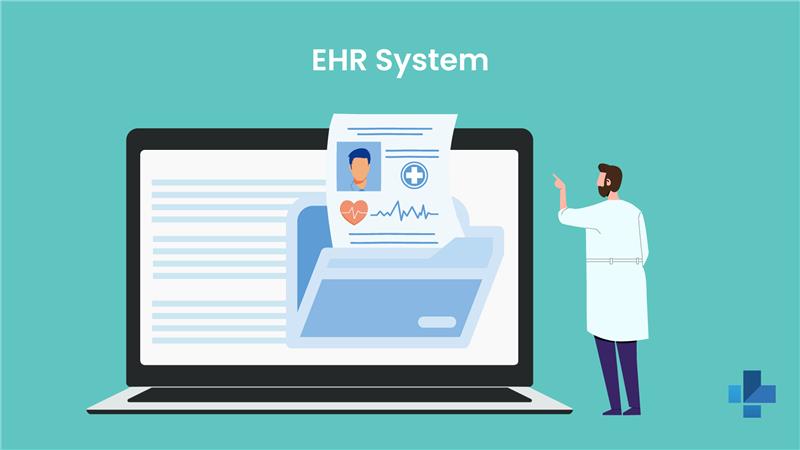
Integrating hospital credentialing services with Electronic Health Records (EHRs) has become a strategic focus as hospitals move to a completely clinical and administrative ecosystem. Manual credentialing workflows, isolated provider data, and delayed privilege updates can impact patient care, compliance, and operational efficiency.
Modern credentialing HER integration bridges these gaps by ensuring the accurate, real-time provider data flows smoothly between credentialing platforms and EHR systems. It enables hospitals to onboard clinicians faster and maintain regulatory compliance with confidence.
How Professional Credentialing Services Streamline Practice Setup
Why EHR–Credentialing Integration Matters
Integration between credentialing platforms and EHRs makes sure that provider privileges, licenses, and status updates are reflected in real time in clinical workflows. With real-time provider privileges in EHRs, hospitals can:
- Prevent unauthorized ordering or documentation
- Ensure clinicians only practice within approved scopes
- Support regulatory audits with accurate records
Automated license verification in clinical systems minimizes the risk of expired credentials, ongoing unnoticed, protecting both patient safety and institutional compliance.
How Licensing Relies on Primary Source Verification
Common Integration Methods and Technologies
Hospitals use different technologies to provide safe and scalable credentialing and HER integration:
- Credentialing API EHR integration for real-time data exchange
- HL7 FHIR credentialing standards for interoperable and structured data sharing
- Single Sign-On (SSO) provides portals to improve user experience and reduce access issues
FHIR-based integrations are increasingly preferred because of their flexibility, security, and compatibility with modern EHR platforms.
Major EHR Platform Integration Capabilities
Leading EHR vendors have comprehensive credentialing integration capabilities:
- Epic credentialing integration allows automated updates to provide directories, privileges, and role-based access.
- Cerner provider privileges can sync directly from credentialing systems to clinical workflows.
- Athenahealth license sync enables real-time updates for ambulatory and hospital-based providers.
These integrations make sure credentialing data is consistent in scheduling, ordering, documentation, and billing systems.
Multi-Facility Credentialing Management
Implementation Steps for Hospitals
Successful integration requires a structured method. A typical credentialing HER implementation roadmap involves:
- Current-state workflow assessment
- EHR and credentialing platform compatibility review
- API or FHIR integration setup
- Data mapping and validation
- User training and testing
- Go-live and post-launch monitoring
A realistic hospital integration timeline ranges from a few weeks for basic integration to many months for enterprise-wide deployment.
ROI and Success Metrics
Hospitals that implement integrated credentialing solutions consistently report measurable ROI:
Key metrics include:
- Reduced onboarding time
- Lower administrative labor costs
- Few compliance gaps and audit findings
- Faster EHR sync and update cycles
When measuring credentialing integration ROI, many organizations see HER sync time reductions in the first 3 to 6 months of implementation.
Conclusion
Integrating hospital credentialing services with EHR systems is important for efficient operations, compliance, and high-quality patient care. By utilizing current APIs, FHIR standards, and platform-specific integration, hospitals can transform credentialing from a barrier to a competitive benefit.
Ready for seamless EHR credentialing integration?
Learn more at Contact Medtigo Connect
Or email: support@medtigo.com
FAQs
1. Which EHR platforms support the most credentialing integrations?
Epic, Cerner, and Athenahealth currently offer the most mature and flexible credentialing integration capabilities.
2. How does the FHIR standard improve credentialing data exchange?
FHIR enables the standardized, secure, and real-time exchange of credentialing data in systems, improving interoperability and scalability.
3. What data security standards are required for EHR-credentialing APIs?
Integrations must comply with HIPAA, use encrypted data transmission, role-based access controls, and secure authentication protocols.
4. Can credentialing platforms auto-populate Epic’s provider directory?
Yes, with proper Epic credentialing integration, verified provider data can automatically populate Epic’s provider directory and privilege modules.
5. What ROI timeline should hospitals expect from EHR integration?
Most hospitals begin seeing operational and cost benefits in 3 to 6 months on the basis of the implementation scope.