








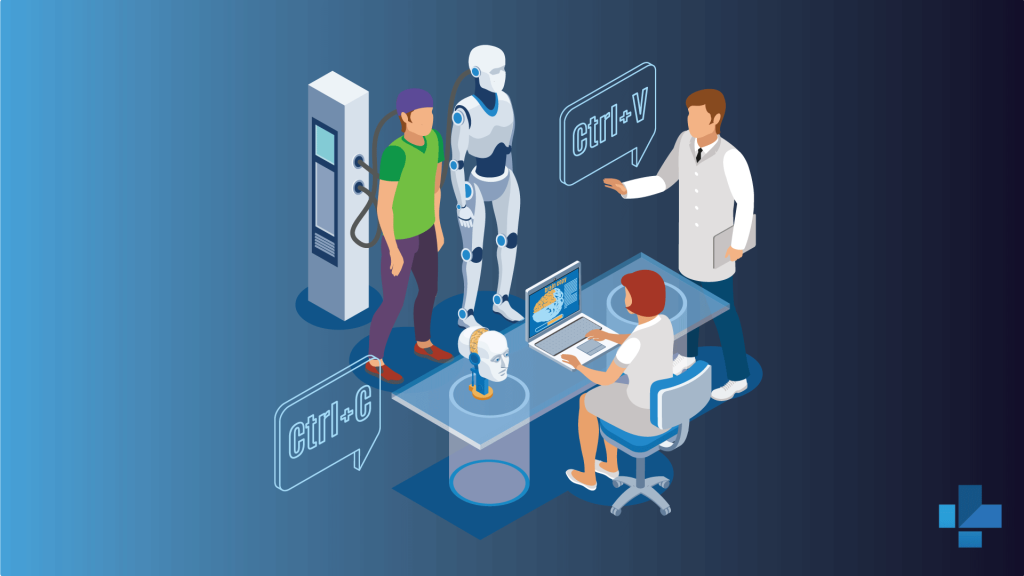
Simulation training has become an increasingly popular method of training healthcare professionals. It is a method of training where real-life scenarios are recreated in a controlled environment to allow healthcare professionals to practice and develop their skills. The question that often arises is whether simulation training is an effective method of training healthcare professionals. This blog will explore the benefits of simulation training in healthcare and provide evidence-based research to support its effectiveness.
What is Simulation Training?
As The Daily Checkup mentioned, Simulation training involves recreating real-life scenarios in a controlled environment to allow healthcare professionals to practice their skills. This type of training allows healthcare professionals to develop and improve their clinical and non-clinical skills without exposing actual patients to risk. Simulation training can take different forms, including high-fidelity simulation, low-fidelity simulation, virtual simulation, and standardized patients.
By simulating real-world clinical environments, this type of training allows trainees to become familiar with the clinical setting while having a safe space to make and learn from their mistakes. The supervision of healthcare professionals during simulation training and the ability to record the training also allows for thorough evaluation and feedback to be provided to the trainees.
While simulation training benefits novice medical trainees with limited clinical exposure, it also benefits experienced medical professionals. Experienced trainees can benefit from recreating complex, rare, and dangerous situations, as any medical situation can be replicated. Whether a trainee is experienced or not, simulation training helps to develop clinical “muscle memory,” which ultimately makes interactions with live patients safer.
Benefits of Simulation Training in Healthcare
Simulation training offers several benefits to healthcare professionals, including:
- Safe environment for training: Simulation training provides a safe environment for healthcare professionals to practice their skills without exposing patients to risk. This allows healthcare professionals to make mistakes, learn from them, and improve their skills without causing harm to actual patients.
- Repetitive practice: Simulation training allows healthcare professionals to practice their skills repeatedly until they master them. This is important, especially for critical procedures where accuracy is crucial.
- Real-life scenarios: Simulation training recreates real-life scenarios that healthcare professionals may encounter in their practice. This allows healthcare professionals to develop their skills in a controlled environment before encountering such scenarios.
- Interdisciplinary training: Simulation training allows healthcare professionals from different disciplines to work together in a simulated environment. This helps to promote teamwork and collaboration among healthcare professionals.
- Objective feedback: Simulation training provides objective feedback to healthcare professionals about their performance. This allows them to identify areas that need improvement and work on them.






3 Responses
Yes it is effective for the health care simulation training because of they get good motivation and knowledge as they practice the patients
And I am so expecting this training is good for me and for us all heath care if they take so effectively for their jobs
Interdisciplinary training: Simulation training allows healthcare
Daily chuck up simulation training
Good job iam comfortable