1. Introduction
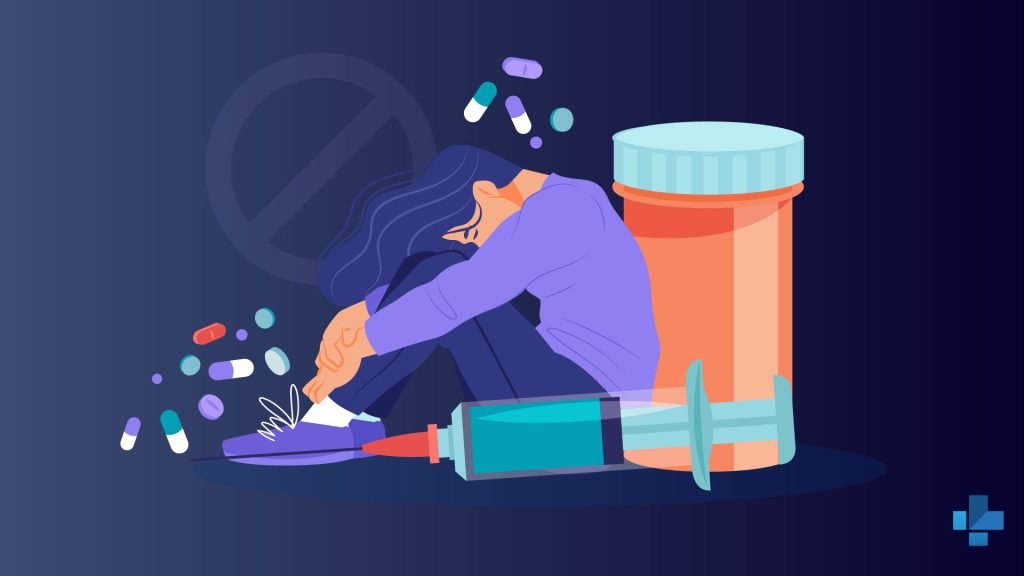
Nowadays, a serious public health concern is teenage opioid use. Every year, thousands of teenagers experiment with or abuse prescription painkillers, which sets them up for teen opioid addiction. This alarming trend encourages parents and healthcare professionals to take proactive measures to stop the escalating crisis.
2. Why Teens Are at Risk
Teenagers are uniquely vulnerable to opioid abuse due to a combination of biological, psychological, and social factors. The adolescent brain is still developing, particularly the regions responsible for impulse control and decision-making, and teens are more prone to risky behavior.
Added to this are external pressures such as peer influence, academic demands, and underlying mental health issues such as depression, anxiety, or ADHD. Many teens also have easy access to prescription opioids at home, often obtained from a family member’s medicine cabinet, mistakenly perceived as “safe.”
3. Common Opioids Teens Might Use
Adolescents may misuse both prescription and illicit opioids, including:
- Prescription painkillers: Oxycodone (OxyContin), hydrocodone/acetaminophen (Vicodin), codeine
- Illicit opioids: Heroin, fentanyl (an extremely potent synthetic opioid)
Prescription opioids are often misused more than illicit drugs, especially because of their medical origins and accessibility.
4. Warning Signs of Teen Opioid Misuse
For timely intervention, recognizing early symptoms of teen painkiller misuse is crucial. Warning signs may include:
- Drowsiness, nausea, or constipation
- Mood swings, irritability, or depression
- Changes in sleep and eating patterns
- Declining school performance
- Loss of interest in activities and isolation from peers
- Secretive behavior, financial issues, or missing medications
These behavioral, physical, and emotional shifts can indicate a deeper issue and should prompt immediate attention.
5. How to Prevent Opioid Use in Teenagers
Wondering how to prevent opioid use in teenagers? Prevention begins with education and communication.
- Talk openly about the risks of opioids and their misuse.
- Store prescription drugs securely and dispose of unused medications properly.
- Set clear rules and consequences regarding substance use.
- Encourage involvement in school, sports, or creative activities.
- Maintain strong family connections and serve as a positive role model.
It’s essential to start these conversations early and keep them going.
6. What Healthcare Providers Can Do
Medical professionals play a critical role in addressing teen opioid addiction before it starts:
- Use caution when prescribing opioids to adolescents; they can opt for non-opioid pain management when possible.
- Regularly screen teens for substance use during checkups using validated tools.
- Refer at-risk teens to behavioral health services or specialized treatment programs.
- Educate families about the risks of opioids and how to monitor their use at home.
Provider vigilance and early intervention can make all the difference in preventing long-term dependency.
7. Conclusion
The fight against opioid use in teens requires a united effort between families, schools, and the medical community. Understanding the risks, recognizing the signs, and taking proactive steps can protect adolescents from the devastating consequences of opioid misuse.
Healthcare providers have an important role in prevention and early intervention. To enhance your clinical skills and stay informed, explore medtigo’s certification courses, that is designed to support professionals in managing substance use and promoting youth well-being.