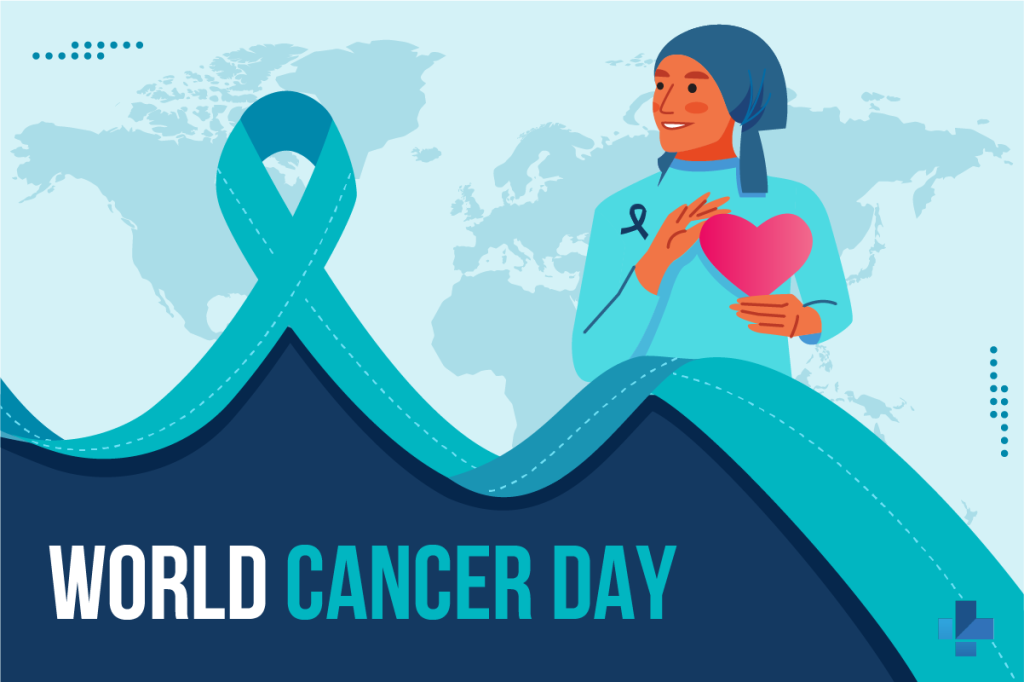
4 February is observed globally as World Cancer Day. It is a great time to bring the message forward for raising awareness in advancing prevention strategies and fostering a people-centered approach to cancer care. This day was launched by the Union for International Cancer Control on February 4, 2000, and was introduced during the World Summit Against Cancer for the New Millennium, which took place in Paris. The ultimate aim is to unite the universal cancer community by equating easy access to saving cancer diagnosis, treatment, and care regardless of an individual’s place of birth, gender, or socioeconomic status.
Advances in Cancer Treatment
The past year has brought unprecedented innovations in the treatment and diagnosis of cancer, igniting a beacon of hope for millions. Breakthroughs in immunotherapy, precision medicine, AI-driven diagnostics, and early detection techniques have significantly improved the prognosis of cancer patients. Advanced therapeutic regimens, such as the personalized vaccine against cancer and CAR-T cell therapy, are transforming the landscape of cancer treatment, offering more effective and less invasive options.
Inspiring Progress: Improving Survival Rates
These breakthroughs have significantly improved survival rates for certain types of cancer, with some now boasting a five-year survival rate of over 90%. This is a testament to the power of early detection and targeted treatments. Even for cancers that are not yet curable, the potential for effective management is greater than ever before.
United by Unique: A People-Centered Approach
World Cancer Day from 2025 to 2027 will adopt the theme United by Unique, which underscores the importance of compassion and personalization in cancer care. This strategy recognizes that every individual facing cancer, whether patients, carers, or survivors, deserves to be treated uniquely, ensuring they receive comprehensive and empathetic support that values their individuality.
As the battle against cancer gains momentum, World Cancer Day serves as a reminder that each of us plays a crucial role. It is through our collective awareness, advocacy, and action that we move closer to a future where cancer is not a death sentence, but a challenge we can overcome.
Latest FDA Approvals: Milestones in Cancer Therapy
Tevimbra: A Breakthrough for Gastric and GEJ Cancers
Tevimbra (tislelizumab-jsgr) was approved by the FDA because it significantly transformed first-line cancer treatment protocols, especially in patients with HER2-negative gastric or gastroesophageal junction (GEJ) adenocarcinoma that expresses PD-L1 (≥1). This immunotherapy, in combination with platinum and fluoropyrimidine-based chemotherapy, has shown a superior OS benefit, marking a crucial advancement in oncology.
In the phase 3 RATIONALE-305 trial, the efficacy of tislelizumab plus chemotherapy was established, and patients showed a median OS of 15.0 months versus 12.9 months in the placebo group. With a hazard ratio of 0.80, a statistically significant and clinically meaningful survival advantage was shown. Besides, PFS and ORR were also improved, reinforcing the role of Tevimbra in improving patient outcomes.
The approval underscores the drug’s importance in addressing the unmet medical needs of patients with unresectable or metastatic gastric cancers. Its impact extends beyond efficacy as its integration into standard care offers a novel therapeutic option that harnesses the power of immunotherapy to combat tumor progression. Improving survival rates and expanding the treatment possibilities would represent a pivotal shift in first-line cancer care by providing new hope for patients battling aggressive gastrointestinal malignancies.
Datroway: Advancing Care for Breast Cancer Patients
The FDA’s approval of datopotamab deruxtecan-dlnk represents a major step forward for the treatment of HR-positive, HER2-negative advanced breast cancer. This new ADC drug is Trop-2-directed and delivers the topoisomerase inhibitor directly to the cancer, which gives less systemic toxicity. The TROPION-Breast01 study also presented its advantage over the standard chemotherapy with higher progression-free survival: 6.9 vs. 4.9 months and an objective response rate of 36% vs. 23%.
This targeted mechanism utilizes the overexpressed Trop-2 protein of breast cancer to selectively deliver cytotoxic agents within tumor cells, ensuring an increase in efficacy with less damage to normal tissues.
Its common side effects are stomatitis, nausea, and fatigue, but it is one promising treatment that would benefit from clinical trials. Its approval offers new hope for patients with metastatic disease who have exhausted endocrine and chemotherapy options by reinforcing the potential of ADCs in oncology.
Nivolumab-Hyaluronidase Combo: A New Era in Cancer Immunotherapy
The subcutaneous nivolumab and hyaluronidase-nvhy (Opdivo Qvantig) received approval by significantly improving patient outcomes and enabling ease of administration.
It provides equal efficacy to intravenous nivolumab, with an overall response rate of 24% compared to 18%, thus expanding the treatment paradigm.
The subcutaneous route will enable faster administration, reducing the infusion-related burden and improving patient convenience. Moreover, it has maintained the same safety profile by curtailing adverse events. This FDA approval simplifies cancer care delivery by offering an effective and less invasive approach that ultimately maximizes the patient’s experience and compliance. This is an important innovation for the treatment of oncology patients because it is easy to use and reduces chair time.
Groundbreaking Research in Cancer Care
Androgen Receptor Inhibition in Prostate Cancer
The LACOG0415 trial evaluated three treatment strategies for advanced castration-sensitive prostate cancer (CSPC) and their impact on health-related quality of life (HRQOL). It showed no significant differences in HRQOL among patients receiving ADT plus AAP, APA alone, or APA plus AAP over 25 weeks. However, APA alone showed a more favorable time for deterioration in emotional well-being. The findings suggested that APA-based regimens maintain HRQOL similarly to ADT plus AAP. The limitation of the study is that it is a short follow-up, where further research with larger samples and comprehensive assessments are needed to optimize treatment approaches for advanced CSPC.
Addressing BMD Deficits in Childhood Cancer Survivors
Addressing bone mineral density (BMD) concerns in childhood cancer survivors is crucial for long-term health and quality of life. This study highlights the significant prevalence of moderate and severe BMD deficits, which are often linked to cancer treatments, comorbidities, and lifestyle factors like smoking and sedentary. These deficits increase the risks for functional limitations with reduced independence and poor quality of life. Holistic cancer care should include early screening, lifestyle interventions, and targeted treatments to mitigate these risks. Addressing modifiable factors like physical activity and hormone deficiencies may enhance survivorship outcomes by ensuring comprehensive care beyond cancer remission.
Emerging Technologies Revolutionizing Cancer Detection and Treatment
AI and Early Detection of Ovarian Cancer
Artificial intelligence (AI) is revolutionizing early cancer detection, particularly for ovarian cancer. A critical shortage of expert ultrasound examiners has resulted in delayed diagnoses and unnecessary interventions. Transformer-based deep learning models trained on 17,119 ultrasound images from 3,652 patients across 20 centers have demonstrated superior accuracy over expert and non-expert examiners. These models generalize well across the different settings and reduce the referrals by 63% through enhancing diagnostic performance. AI-driven diagnostic support offers a scalable solution to improve early ovarian cancer detection and address workforce shortages, ultimately leading to better patient outcomes.
Phototherapy and Chemotherapy: Illuminating Cancer Care
Combining phototherapy with chemotherapy has enhanced the treatment efficacy by enabling localized, pulsatile drug release and minimizing systemic side effects. The microparticle system uses molybdenum disulfide (MoS2) nanosheets for photothermal conversion to allow controlled thermal cycles upon near-infrared laser irradiation. This triggers polymer softening by releasing anticancer drugs precisely at the tumor site. In a mouse model of triple-negative breast cancer, this method resulted in synergistic therapeutic effects and significantly increased survival in achieving complete tumor eradication. The system’s low invasiveness and ability to deliver repeated treatment cycles make it a promising strategy for improving cancer therapy outcomes with reduced toxicity.
Future Directions in Cancer Research
Future advancements in cancer research include AI-driven diagnostics, immunotherapy, and precision medicine that promise a new era of personalized cancer treatment. Innovations like combining AI with immunotherapy hold great potential for improving diagnosis accuracy and optimizing individualized therapies. Additionally, non-invasive diagnostic tools like AI-enhanced imaging are paving the way in early detection and reducing the need for invasive procedures. The breakthroughs increase the efficacy of treatments and make them more accessible by reducing disparities in global cancer care. These innovations move us closer to a world where cancer is manageable and provide great hope for better survival rates and quality of life.
Call to Action for World Cancer Day
World Cancer Day joins the global movement to raise awareness and drive action. The latest breakthroughs in cancer research include innovations like immunotherapy and AI-driven diagnostics that help to inspire hope. Participation in local and global initiatives to support cancer care and fund continued research. Learn more about medtigo cancer resources and news to stay informed and be part of the solution. Together, we can make cancer a manageable challenge and work towards a future where life-saving treatments are accessible to everyone everywhere. Let’s unite for progress in cancer care and improve patient outcomes worldwide.
Conclusion
In conclusion, these significant research advancements for cancer care have brought everyone closer to the world; therefore, cancer has potentially increased as manageable. Breakthroughs in immunotherapy and precision medicine to AI-driven diagnostics have improved survival rates and quality of life. The FDA-approved new treatments like Tevimbra and Datroway offered a new ray of hope to patients who were combatting aggressive cancers. As the research continues to advance, the global push for research and collaboration brings us near defeating cancer. Together, through continued innovation and compassionate care, we strive to build a future where cancer no longer holds the power to threaten lives.