Anosmia means the loss or absence of the sense of smell. This condition can be temporary or permanent basis impacts individuals of any age.
The sense of smell is closely related with anosmia can significantly impact a person’s quality of life by diminishing their ability to detect and enjoy flavors.
Conditions such as sinus infections, or blockages in the nasal passages can prevent the sense of smell. Trauma to the head, especially individuals those involve the olfactory nerve or the areas of the brain responsible for smell, can lead to anosmia.
Epidemiology
There are approximately 5% of the general population may experience anosmia at some point in their life.
Along with age there is an increase in anosmia as well and it is more commonly seen in older adults.
Anosmia may impact individuals of all ages, but its prevalence may increase with age.
Anatomy
Pathophysiology
The process of smelling starts in the region of olfactory epithelium. This carries receptors that can identify smell molecules.
Odorant receptors on the surface of olfactory receptor neurons bind to specific odor molecules, initiating a signal transduction cascade.
When odor molecules bind to the receptors, it triggers a series of biochemical events within the olfactory receptor neuron. Electrical impulses are produced because of this process and are conveyed via the olfactory nerve fibers.
Etiology
Nasal and sinus issues, including sinusitis, nasal polyps, or other structural abnormalities in the nasal passages can prevent airflow and impact the sense of smell.
Head injuries to people involving the front or base of the skull can cause damage to the olfactory nerve or olfactory bulb, resulting in anosmia.
The exposure to toxic chemicals particularly at the workplace then it can damage the olfactory epithelium or the olfactory nerve, causing anosmia.
The sense of smell naturally weaken with age, and older individuals may experience a gradual decline in olfactory function.
Genetics
Prognostic Factors
Temporary loss of smell is often associated with viral infections or certain medications. It may resolve once the underlying condition is treated or the medication is discontinued.
Permanent anosmia may result from conditions like head trauma or certain neurological disorders.
Sudden and recent loss of smell may be more amenable to treatment or resolution than a chronic condition that has persisted for an extended period.
Clinical History
Age Group:
Anosmia in children and adolescents can be caused by various factors, including congenital conditions, viral infections, or head trauma.
In this age group, anosmia may vary the causes including respiratory infections, nasal and sinus issues, head trauma, exposure to toxins, or neurological conditions.
Physical Examination
Nasal Examination: Visual inspection of the nasal passages to check for signs of obstruction, swelling, or abnormalities.
Assessment for the presence of nasal polyps, which can obstruct airflow and impact olfactory function.
Sinus Examination: Evaluation of the sinuses through imaging studies, such as a CT scan or MRI, to assess for sinusitis or other sinus-related issues.
Head and Neck Examination: Examination of trauma, including any injuries that may affect the olfactory structures.
Systemic Examination: Examination of other systems to identify potential systemic conditions that could contribute to anosmia, such as autoimmune disorders or hormonal imbalances.
Neurological Examination: A neurological examination may be conducted to assess cranial nerves, including the olfactory nerve.
Evaluation of other neurological functions to identify any signs of neurological disorders that could contribute to anosmia.
Age group
Associated comorbidity
In case of chronic sinusitis there is an inflammation of the sinus cavities which leads to anosmia. The olfactory epithelium may be impacted by nasal tube inflammation, impairing ability to sense smell.
Nasal polyps are noncancerous growths that can develop in the nasal passages or sinuses. They can obstruct airflow and affect the olfactory function, contributing to anosmia.
Head injuries, especially those involving the frontal region or base of the skull, can damage the olfactory nerve or olfactory bulb, leading to anosmia.
Associated activity
Acuity of presentation
Anosmia that occurs after a viral infection is commonly referred to as post-viral anosmia. It may follow the resolution of symptoms like a cold or flu and can persist for varying durations.
Individuals may wake up one day with a noticeable and abrupt loss of smell. Sudden anosmia is often associated with conditions like viral upper respiratory infections. It can occur suddenly, especially in cases related to viral infections.
Differential Diagnoses
Sinusitis: Inflammation of the sinuses can lead to nasal congestion and anosmia.
Autoimmune Disorders: Autoimmune conditions, such as Wegener’s granulomatosis, may cause inflammation in the nasal passages and affect olfactory function.
Head Trauma: Injury to the head, especially involving the frontal or base of the skull, can damage the olfactory nerve and result in anosmia.
Tumors: Tumors in the nasal cavity, sinuses, or the brain can compress or damage the olfactory structures.
Nasal Polyps: Noncancerous growths in the nasal passages can obstruct airflow and affect the sense of smell.
Laboratory Studies
Imaging Studies
Procedures
Histologic Findings
Staging
Treatment Paradigm
Management of Nasal and Sinus Conditions: For cases related to nasal congestion, sinusitis, or nasal polyps.
Surgical Intervention: In cases where structural abnormalities or nasal polyps contribute to anosmia, surgical intervention may be considered.
Procedures such as septoplasty, turbinate reduction, or sinus surgery may be performed to address these issues.
Olfactory Training: Olfactory training involves exposing individuals to a variety of scents to stimulate and retrain the sense of smell.
This method may be used, especially in cases where anosmia is related to neurodegenerative conditions or post-viral recovery.
by Stage
by Modality
Chemotherapy
Radiation Therapy
Surgical Interventions
Hormone Therapy
Immunotherapy
Hyperthermia
Photodynamic Therapy
Stem Cell Transplant
Targeted Therapy
Palliative Care
use-of-non-pharmacological-approach-for-anosmia
Temperature Monitoring: Individuals with anosmia may find it helpful to use temperature monitoring devices for cooking to ensure that food is cooked thoroughly and at the right temperature.
Labeling and Organization: Labeling food items with clear expiration dates and using organized storage methods can help individuals with anosmia manage their food safely.
Personal Hygiene Practices: Being mindful of personal hygiene practices, such as regularly checking for body odors and maintaining oral hygiene, is important in social settings.
Meal Preparation Assistance: Seeking assistance from family members or using meal kit services can help with meal preparation and ensure a diverse and balanced diet.
Use of Antihistamines
Cetirizine: It is an antihistamine commonly used to relieve symptoms associated with allergic conditions such as hay fever and hives. While cetirizine can help alleviate nasal congestion, sneezing, and other symptoms related to allergies, its primary mechanism of action is blocking the effects of histamine.
Use of Glucocorticoids
Glucocorticoids work by inhibiting the production of inflammatory substances and suppressing the immune response. They reduce swelling, mucus production, and the overall inflammatory process.
Fluticasone: It has potent anti-inflammatory effects. It works by reducing inflammation in the nasal passages and sinuses, addressing conditions such as allergic rhinitis, nasal congestion, and sinusitis.
Polypectomy: Nasal polyps, which can obstruct the nasal passages and impact olfactory function, may be removed through a procedure called polypectomy.
Sinus Surgery: For individuals with chronic sinusitis or structural issues in the sinuses contributing to anosmia, sinus surgery may be considered.
Septoplasty: A deviated nasal septum can contribute to nasal obstruction and affect the sense of smell. Septoplasty is a surgical procedure to straighten the nasal septum and improve nasal airflow.
Turbinate Reduction: Enlarged within the nasal passages can be reduced in size through a procedure called turbinate reduction.
use-of-phases-in-managing-anosmia
Diagnostic Phase: A thorough medical history, including the onset, duration, and associated symptoms, is taken. A comprehensive evaluation helps identify potential causes and contributing factors.
Underlying Cause Identification: Additional diagnostic tests, such as imaging studies (CT scans or MRIs), blood tests, or allergy testing, may be conducted to identify the specific underlying cause of anosmia.
Interventions and Treatment: Interventions focus on treating reversible factors contributing to anosmia, such as sinusitis, nasal polyps, or infections.
Supportive and Adaptive Measures: Individuals with anosmia may benefit from making dietary modifications, such as choosing flavourful and textured foods, to enhance the overall eating experience.
Long-Term Management and Adaptation: Individuals with persistent anosmia may need to make long-term lifestyle adjustments to adapt to the loss of smell.
Anosmia means the loss or absence of the sense of smell. This condition can be temporary or permanent basis impacts individuals of any age.
The sense of smell is closely related with anosmia can significantly impact a person’s quality of life by diminishing their ability to detect and enjoy flavors.
Conditions such as sinus infections, or blockages in the nasal passages can prevent the sense of smell. Trauma to the head, especially individuals those involve the olfactory nerve or the areas of the brain responsible for smell, can lead to anosmia.
There are approximately 5% of the general population may experience anosmia at some point in their life.
Along with age there is an increase in anosmia as well and it is more commonly seen in older adults.
Anosmia may impact individuals of all ages, but its prevalence may increase with age.
The process of smelling starts in the region of olfactory epithelium. This carries receptors that can identify smell molecules.
Odorant receptors on the surface of olfactory receptor neurons bind to specific odor molecules, initiating a signal transduction cascade.
When odor molecules bind to the receptors, it triggers a series of biochemical events within the olfactory receptor neuron. Electrical impulses are produced because of this process and are conveyed via the olfactory nerve fibers.
Nasal and sinus issues, including sinusitis, nasal polyps, or other structural abnormalities in the nasal passages can prevent airflow and impact the sense of smell.
Head injuries to people involving the front or base of the skull can cause damage to the olfactory nerve or olfactory bulb, resulting in anosmia.
The exposure to toxic chemicals particularly at the workplace then it can damage the olfactory epithelium or the olfactory nerve, causing anosmia.
The sense of smell naturally weaken with age, and older individuals may experience a gradual decline in olfactory function.
Temporary loss of smell is often associated with viral infections or certain medications. It may resolve once the underlying condition is treated or the medication is discontinued.
Permanent anosmia may result from conditions like head trauma or certain neurological disorders.
Sudden and recent loss of smell may be more amenable to treatment or resolution than a chronic condition that has persisted for an extended period.
Age Group:
Anosmia in children and adolescents can be caused by various factors, including congenital conditions, viral infections, or head trauma.
In this age group, anosmia may vary the causes including respiratory infections, nasal and sinus issues, head trauma, exposure to toxins, or neurological conditions.
Nasal Examination: Visual inspection of the nasal passages to check for signs of obstruction, swelling, or abnormalities.
Assessment for the presence of nasal polyps, which can obstruct airflow and impact olfactory function.
Sinus Examination: Evaluation of the sinuses through imaging studies, such as a CT scan or MRI, to assess for sinusitis or other sinus-related issues.
Head and Neck Examination: Examination of trauma, including any injuries that may affect the olfactory structures.
Systemic Examination: Examination of other systems to identify potential systemic conditions that could contribute to anosmia, such as autoimmune disorders or hormonal imbalances.
Neurological Examination: A neurological examination may be conducted to assess cranial nerves, including the olfactory nerve.
Evaluation of other neurological functions to identify any signs of neurological disorders that could contribute to anosmia.
In case of chronic sinusitis there is an inflammation of the sinus cavities which leads to anosmia. The olfactory epithelium may be impacted by nasal tube inflammation, impairing ability to sense smell.
Nasal polyps are noncancerous growths that can develop in the nasal passages or sinuses. They can obstruct airflow and affect the olfactory function, contributing to anosmia.
Head injuries, especially those involving the frontal region or base of the skull, can damage the olfactory nerve or olfactory bulb, leading to anosmia.
Anosmia that occurs after a viral infection is commonly referred to as post-viral anosmia. It may follow the resolution of symptoms like a cold or flu and can persist for varying durations.
Individuals may wake up one day with a noticeable and abrupt loss of smell. Sudden anosmia is often associated with conditions like viral upper respiratory infections. It can occur suddenly, especially in cases related to viral infections.
Sinusitis: Inflammation of the sinuses can lead to nasal congestion and anosmia.
Autoimmune Disorders: Autoimmune conditions, such as Wegener’s granulomatosis, may cause inflammation in the nasal passages and affect olfactory function.
Head Trauma: Injury to the head, especially involving the frontal or base of the skull, can damage the olfactory nerve and result in anosmia.
Tumors: Tumors in the nasal cavity, sinuses, or the brain can compress or damage the olfactory structures.
Nasal Polyps: Noncancerous growths in the nasal passages can obstruct airflow and affect the sense of smell.
Management of Nasal and Sinus Conditions: For cases related to nasal congestion, sinusitis, or nasal polyps.
Surgical Intervention: In cases where structural abnormalities or nasal polyps contribute to anosmia, surgical intervention may be considered.
Procedures such as septoplasty, turbinate reduction, or sinus surgery may be performed to address these issues.
Olfactory Training: Olfactory training involves exposing individuals to a variety of scents to stimulate and retrain the sense of smell.
This method may be used, especially in cases where anosmia is related to neurodegenerative conditions or post-viral recovery.
Neurology
Otolaryngology
Psychiatry/Mental Health
Temperature Monitoring: Individuals with anosmia may find it helpful to use temperature monitoring devices for cooking to ensure that food is cooked thoroughly and at the right temperature.
Labeling and Organization: Labeling food items with clear expiration dates and using organized storage methods can help individuals with anosmia manage their food safely.
Personal Hygiene Practices: Being mindful of personal hygiene practices, such as regularly checking for body odors and maintaining oral hygiene, is important in social settings.
Meal Preparation Assistance: Seeking assistance from family members or using meal kit services can help with meal preparation and ensure a diverse and balanced diet.
Neurology
Otolaryngology
Cetirizine: It is an antihistamine commonly used to relieve symptoms associated with allergic conditions such as hay fever and hives. While cetirizine can help alleviate nasal congestion, sneezing, and other symptoms related to allergies, its primary mechanism of action is blocking the effects of histamine.
Neurology
Otolaryngology
Glucocorticoids work by inhibiting the production of inflammatory substances and suppressing the immune response. They reduce swelling, mucus production, and the overall inflammatory process.
Fluticasone: It has potent anti-inflammatory effects. It works by reducing inflammation in the nasal passages and sinuses, addressing conditions such as allergic rhinitis, nasal congestion, and sinusitis.
Otolaryngology
Polypectomy: Nasal polyps, which can obstruct the nasal passages and impact olfactory function, may be removed through a procedure called polypectomy.
Sinus Surgery: For individuals with chronic sinusitis or structural issues in the sinuses contributing to anosmia, sinus surgery may be considered.
Septoplasty: A deviated nasal septum can contribute to nasal obstruction and affect the sense of smell. Septoplasty is a surgical procedure to straighten the nasal septum and improve nasal airflow.
Turbinate Reduction: Enlarged within the nasal passages can be reduced in size through a procedure called turbinate reduction.
Otolaryngology
Diagnostic Phase: A thorough medical history, including the onset, duration, and associated symptoms, is taken. A comprehensive evaluation helps identify potential causes and contributing factors.
Underlying Cause Identification: Additional diagnostic tests, such as imaging studies (CT scans or MRIs), blood tests, or allergy testing, may be conducted to identify the specific underlying cause of anosmia.
Interventions and Treatment: Interventions focus on treating reversible factors contributing to anosmia, such as sinusitis, nasal polyps, or infections.
Supportive and Adaptive Measures: Individuals with anosmia may benefit from making dietary modifications, such as choosing flavourful and textured foods, to enhance the overall eating experience.
Long-Term Management and Adaptation: Individuals with persistent anosmia may need to make long-term lifestyle adjustments to adapt to the loss of smell.
Anosmia means the loss or absence of the sense of smell. This condition can be temporary or permanent basis impacts individuals of any age.
The sense of smell is closely related with anosmia can significantly impact a person’s quality of life by diminishing their ability to detect and enjoy flavors.
Conditions such as sinus infections, or blockages in the nasal passages can prevent the sense of smell. Trauma to the head, especially individuals those involve the olfactory nerve or the areas of the brain responsible for smell, can lead to anosmia.
There are approximately 5% of the general population may experience anosmia at some point in their life.
Along with age there is an increase in anosmia as well and it is more commonly seen in older adults.
Anosmia may impact individuals of all ages, but its prevalence may increase with age.
The process of smelling starts in the region of olfactory epithelium. This carries receptors that can identify smell molecules.
Odorant receptors on the surface of olfactory receptor neurons bind to specific odor molecules, initiating a signal transduction cascade.
When odor molecules bind to the receptors, it triggers a series of biochemical events within the olfactory receptor neuron. Electrical impulses are produced because of this process and are conveyed via the olfactory nerve fibers.
Nasal and sinus issues, including sinusitis, nasal polyps, or other structural abnormalities in the nasal passages can prevent airflow and impact the sense of smell.
Head injuries to people involving the front or base of the skull can cause damage to the olfactory nerve or olfactory bulb, resulting in anosmia.
The exposure to toxic chemicals particularly at the workplace then it can damage the olfactory epithelium or the olfactory nerve, causing anosmia.
The sense of smell naturally weaken with age, and older individuals may experience a gradual decline in olfactory function.
Temporary loss of smell is often associated with viral infections or certain medications. It may resolve once the underlying condition is treated or the medication is discontinued.
Permanent anosmia may result from conditions like head trauma or certain neurological disorders.
Sudden and recent loss of smell may be more amenable to treatment or resolution than a chronic condition that has persisted for an extended period.
Age Group:
Anosmia in children and adolescents can be caused by various factors, including congenital conditions, viral infections, or head trauma.
In this age group, anosmia may vary the causes including respiratory infections, nasal and sinus issues, head trauma, exposure to toxins, or neurological conditions.
Nasal Examination: Visual inspection of the nasal passages to check for signs of obstruction, swelling, or abnormalities.
Assessment for the presence of nasal polyps, which can obstruct airflow and impact olfactory function.
Sinus Examination: Evaluation of the sinuses through imaging studies, such as a CT scan or MRI, to assess for sinusitis or other sinus-related issues.
Head and Neck Examination: Examination of trauma, including any injuries that may affect the olfactory structures.
Systemic Examination: Examination of other systems to identify potential systemic conditions that could contribute to anosmia, such as autoimmune disorders or hormonal imbalances.
Neurological Examination: A neurological examination may be conducted to assess cranial nerves, including the olfactory nerve.
Evaluation of other neurological functions to identify any signs of neurological disorders that could contribute to anosmia.
In case of chronic sinusitis there is an inflammation of the sinus cavities which leads to anosmia. The olfactory epithelium may be impacted by nasal tube inflammation, impairing ability to sense smell.
Nasal polyps are noncancerous growths that can develop in the nasal passages or sinuses. They can obstruct airflow and affect the olfactory function, contributing to anosmia.
Head injuries, especially those involving the frontal region or base of the skull, can damage the olfactory nerve or olfactory bulb, leading to anosmia.
Anosmia that occurs after a viral infection is commonly referred to as post-viral anosmia. It may follow the resolution of symptoms like a cold or flu and can persist for varying durations.
Individuals may wake up one day with a noticeable and abrupt loss of smell. Sudden anosmia is often associated with conditions like viral upper respiratory infections. It can occur suddenly, especially in cases related to viral infections.
Sinusitis: Inflammation of the sinuses can lead to nasal congestion and anosmia.
Autoimmune Disorders: Autoimmune conditions, such as Wegener’s granulomatosis, may cause inflammation in the nasal passages and affect olfactory function.
Head Trauma: Injury to the head, especially involving the frontal or base of the skull, can damage the olfactory nerve and result in anosmia.
Tumors: Tumors in the nasal cavity, sinuses, or the brain can compress or damage the olfactory structures.
Nasal Polyps: Noncancerous growths in the nasal passages can obstruct airflow and affect the sense of smell.
Management of Nasal and Sinus Conditions: For cases related to nasal congestion, sinusitis, or nasal polyps.
Surgical Intervention: In cases where structural abnormalities or nasal polyps contribute to anosmia, surgical intervention may be considered.
Procedures such as septoplasty, turbinate reduction, or sinus surgery may be performed to address these issues.
Olfactory Training: Olfactory training involves exposing individuals to a variety of scents to stimulate and retrain the sense of smell.
This method may be used, especially in cases where anosmia is related to neurodegenerative conditions or post-viral recovery.
Neurology
Otolaryngology
Psychiatry/Mental Health
Temperature Monitoring: Individuals with anosmia may find it helpful to use temperature monitoring devices for cooking to ensure that food is cooked thoroughly and at the right temperature.
Labeling and Organization: Labeling food items with clear expiration dates and using organized storage methods can help individuals with anosmia manage their food safely.
Personal Hygiene Practices: Being mindful of personal hygiene practices, such as regularly checking for body odors and maintaining oral hygiene, is important in social settings.
Meal Preparation Assistance: Seeking assistance from family members or using meal kit services can help with meal preparation and ensure a diverse and balanced diet.
Neurology
Otolaryngology
Cetirizine: It is an antihistamine commonly used to relieve symptoms associated with allergic conditions such as hay fever and hives. While cetirizine can help alleviate nasal congestion, sneezing, and other symptoms related to allergies, its primary mechanism of action is blocking the effects of histamine.
Neurology
Otolaryngology
Glucocorticoids work by inhibiting the production of inflammatory substances and suppressing the immune response. They reduce swelling, mucus production, and the overall inflammatory process.
Fluticasone: It has potent anti-inflammatory effects. It works by reducing inflammation in the nasal passages and sinuses, addressing conditions such as allergic rhinitis, nasal congestion, and sinusitis.
Otolaryngology
Polypectomy: Nasal polyps, which can obstruct the nasal passages and impact olfactory function, may be removed through a procedure called polypectomy.
Sinus Surgery: For individuals with chronic sinusitis or structural issues in the sinuses contributing to anosmia, sinus surgery may be considered.
Septoplasty: A deviated nasal septum can contribute to nasal obstruction and affect the sense of smell. Septoplasty is a surgical procedure to straighten the nasal septum and improve nasal airflow.
Turbinate Reduction: Enlarged within the nasal passages can be reduced in size through a procedure called turbinate reduction.
Otolaryngology
Diagnostic Phase: A thorough medical history, including the onset, duration, and associated symptoms, is taken. A comprehensive evaluation helps identify potential causes and contributing factors.
Underlying Cause Identification: Additional diagnostic tests, such as imaging studies (CT scans or MRIs), blood tests, or allergy testing, may be conducted to identify the specific underlying cause of anosmia.
Interventions and Treatment: Interventions focus on treating reversible factors contributing to anosmia, such as sinusitis, nasal polyps, or infections.
Supportive and Adaptive Measures: Individuals with anosmia may benefit from making dietary modifications, such as choosing flavourful and textured foods, to enhance the overall eating experience.
Long-Term Management and Adaptation: Individuals with persistent anosmia may need to make long-term lifestyle adjustments to adapt to the loss of smell.
Both our subscription plans include Free CME/CPD AMA PRA Category 1 credits.
Digital Certificate PDF
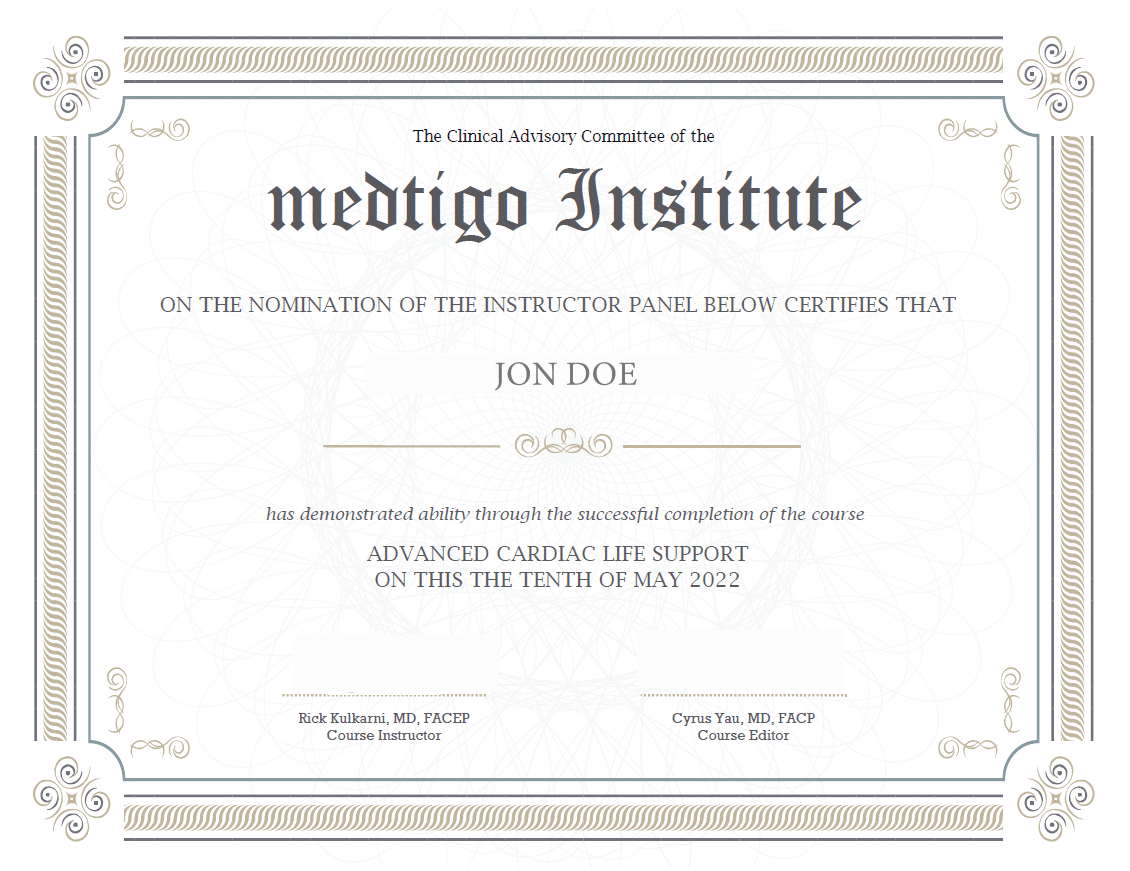
On course completion, you will receive a full-sized presentation quality digital certificate.
medtigo Simulation
A dynamic medical simulation platform designed to train healthcare professionals and students to effectively run code situations through an immersive hands-on experience in a live, interactive 3D environment.
medtigo Points
medtigo points is our unique point redemption system created to award users for interacting on our site. These points can be redeemed for special discounts on the medtigo marketplace as well as towards the membership cost itself.
Community Forum post/reply = 5 points
*Redemption of points can occur only through the medtigo marketplace, courses, or simulation system. Money will not be credited to your bank account. 10 points = $1.
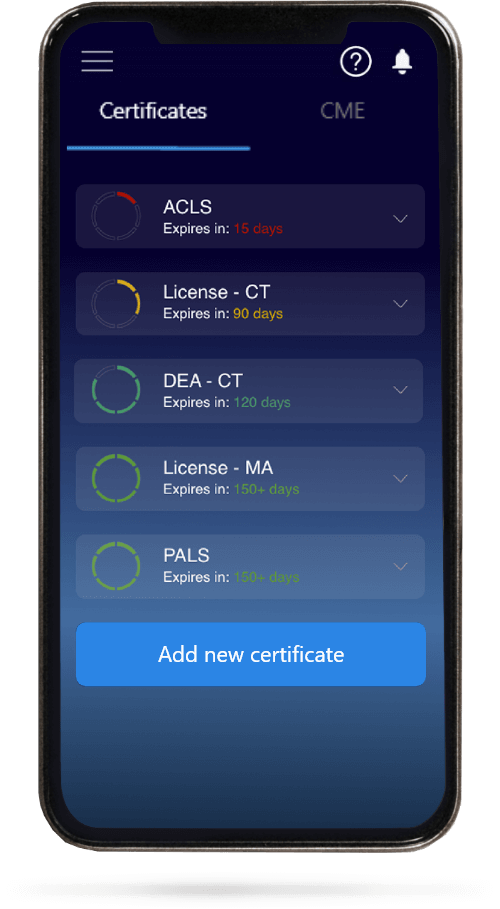
All Your Certificates in One Place
When you have your licenses, certificates and CMEs in one place, it's easier to track your career growth. You can easily share these with hospitals as well, using your medtigo app.