Humans are struck by the virus that invades the body’s central nervous system when infected with tickborne encephalitis. The tickborne encephalitis virus causes TBE and the virus belongs to the Flaviviridae family. When in the wild the natural habitat of ticks is in several parts of Russia Asia and Europe. The virus is mainly ingested in humans through a tick-bite particularly Ixodes ricinus, also known as the European tick or castor bean tick in Europe while in Asia Ixodes persulcatus. If a tick-bites a contaminated individual they will catch the virus if somebody turns into that location and infection will occur.
Epidemiology
The epidemiological data shows Asia and Europe’s regions are mostly affected by TBE. There is a higher chance of tick exposure and TBE transmission when engaging in outdoor activities like hiking camping and forestry work in endemic areas. Tick populations are influenced by temperature and humidity, which in turn influences the incidence of TBE.
Anatomy
Pathophysiology
The primary mode of transmission for the TBEV virus is tick bites. The skin and nearby lymph nodes are where the virus first replicates. During the viremic phase the virus can travel to the skin and spleen and living among other organs. TBEV mainly targets neurons in the central nervous systemthat results in inflammation of spinal cord and brain. Fever headaches and pains in the muscles and indications of encephalitis such as changed mental state and disorientation and in extreme situations seizures and paralysis are examples of neurological symptoms. The host’s immune system plays a critical role during TBE.
Etiology
The main way that TBEV is spread is by tick bites. Ticks can get infected when they feed on small animals like rodents and birds which acts as a reservoir host for the virus. When an infected tick bites a human they become accidental hosts and get infected.
There is a good correlation between the geographic distribution of the relevant tick vectors and the spread of TBE. There are areas of Europe and Russia where TBEV is present. TBE incidences tend to surge in the warmer months when people spend more time outside and ticks are more active.
Genetics
Prognostic Factors
The prognostic factors depend on these parameters:
Age
Health status
Viral strain
Vaccination status
Immune response
Neurological involvement
Co-infections
Clinical History
Age group
People of any age can get tickborne encephalitis. The likelihood of serious illness and consequences however varies. If an infected tick bites a person, the individuals of all ages can have TBE.
Physical Examination
Neurological Examination
Head and Neck Examination
Skin Examination
Musculoskeletal Examination
Systemic Examination
Age group
Associated comorbidity
The TBE shows the symptoms of neurological effects and those who are suffering from meningitis will be at higher risk.
Age-Related Severity: Although TBE can have a range of severity older persons are typically more vulnerable to serious consequences such as an increased risk of long-term neurological problems.
Associated activity
Acuity of presentation
The acuity of presentation of the TBE is showing different types of cases starting from the mild cases asymptomatic cases and severe cases.
The incubation period range is 1 week to 2 weeks.
TBE may present as encephalitis and meningitis. When neurological symptoms are evident especially in severe instances hospitalisation is frequently necessary. To control symptoms supportive care may be used such as intravenous fluids and prescription medications.
Differential Diagnoses
Other arboviral encephalitis
Bacterial meningitis
Lyme disease
Anaplasmosis
Tick-borne relapsing fever
Herpes simplex virus (HSV) encephalitis
Laboratory Studies
Imaging Studies
Procedures
Histologic Findings
Staging
Treatment Paradigm
Supportive Care
The supportive care includes hospitalization in causes of severe neurological symptoms and keep checking on the nutrition and fluid a person is taking.
For symptomatic management take NSAID’s and acetaminophen. Tick-Borne Encephalitis does not yet have a particular antiviral medication. Intravenous immunoglobulin has nonetheless occasionally been utilised to modify the immune response. Avoidance Getting vaccinated is the most effective approach to avoid TBE.
by Stage
by Modality
Chemotherapy
Radiation Therapy
Surgical Interventions
Hormone Therapy
Immunotherapy
Hyperthermia
Photodynamic Therapy
Stem Cell Transplant
Targeted Therapy
Palliative Care
lifestyle-modifications-in-treating-tbe
Use acaricides or other tick control methods in high-tick locations particularly those that are close to residential areas and recreational areas. Conduct public education campaigns regarding tick-borne illnesses and how to prevent tick bites and the value of taking precautions.
In regions where the virus is prevalent particularly encourage and promote immunisation against TBE. One effective method of preventing illness is vaccination. Checking on rodents in your area is also crucial.
Role of TICOVAC vaccine in treating Tick-Borne Encephalitis
TICOVAC is used in the treatment of TBE which received its FDA approval in 2021 and comes in use in the US. Interestingly this has been used in Europe for more than 20 years and offers strong defence against TBE virus types.
Getting vaccinated is the most effective approach to avoid TBE.
Using protective clothes using insect repellents and educating people about the need of staying away from tick-infested regions can all help prevent tick bites. Since there is no medication for TBE the condition is mostly handled with supportive care. For severe instances or those with neurological problems hospitalisation can be required. It may be necessary to give intravenous fluids analgesics and drugs to manage symptoms like nausea and fever.
Supportive Care
Mechanical ventilation may be necessary for patients with severe cases. Monitoring TBE infections and tick populations to pinpoint high-risk locations is known as surveillance.
For <1 year old: Safety and efficacy not determined
For 1 to 15 years old:
Administer dose of 0.25 ml via intramuscularly then repeat for 1 to 3 months after first dose and for 5 to 12 months after second dose
For ≥16 years old:
Administer dose of 0.5 ml intramuscularly, then repeat again for 2 weeks to 3 months after first dose and then for 5 to 12 months after second dose
Humans are struck by the virus that invades the body’s central nervous system when infected with tickborne encephalitis. The tickborne encephalitis virus causes TBE and the virus belongs to the Flaviviridae family. When in the wild the natural habitat of ticks is in several parts of Russia Asia and Europe. The virus is mainly ingested in humans through a tick-bite particularly Ixodes ricinus, also known as the European tick or castor bean tick in Europe while in Asia Ixodes persulcatus. If a tick-bites a contaminated individual they will catch the virus if somebody turns into that location and infection will occur.
The epidemiological data shows Asia and Europe’s regions are mostly affected by TBE. There is a higher chance of tick exposure and TBE transmission when engaging in outdoor activities like hiking camping and forestry work in endemic areas. Tick populations are influenced by temperature and humidity, which in turn influences the incidence of TBE.
The primary mode of transmission for the TBEV virus is tick bites. The skin and nearby lymph nodes are where the virus first replicates. During the viremic phase the virus can travel to the skin and spleen and living among other organs. TBEV mainly targets neurons in the central nervous systemthat results in inflammation of spinal cord and brain. Fever headaches and pains in the muscles and indications of encephalitis such as changed mental state and disorientation and in extreme situations seizures and paralysis are examples of neurological symptoms. The host’s immune system plays a critical role during TBE.
The main way that TBEV is spread is by tick bites. Ticks can get infected when they feed on small animals like rodents and birds which acts as a reservoir host for the virus. When an infected tick bites a human they become accidental hosts and get infected.
There is a good correlation between the geographic distribution of the relevant tick vectors and the spread of TBE. There are areas of Europe and Russia where TBEV is present. TBE incidences tend to surge in the warmer months when people spend more time outside and ticks are more active.
The prognostic factors depend on these parameters:
Age
Health status
Viral strain
Vaccination status
Immune response
Neurological involvement
Co-infections
Age group
People of any age can get tickborne encephalitis. The likelihood of serious illness and consequences however varies. If an infected tick bites a person, the individuals of all ages can have TBE.
Neurological Examination
Head and Neck Examination
Skin Examination
Musculoskeletal Examination
Systemic Examination
The TBE shows the symptoms of neurological effects and those who are suffering from meningitis will be at higher risk.
Age-Related Severity: Although TBE can have a range of severity older persons are typically more vulnerable to serious consequences such as an increased risk of long-term neurological problems.
The acuity of presentation of the TBE is showing different types of cases starting from the mild cases asymptomatic cases and severe cases.
The incubation period range is 1 week to 2 weeks.
TBE may present as encephalitis and meningitis. When neurological symptoms are evident especially in severe instances hospitalisation is frequently necessary. To control symptoms supportive care may be used such as intravenous fluids and prescription medications.
Other arboviral encephalitis
Bacterial meningitis
Lyme disease
Anaplasmosis
Tick-borne relapsing fever
Herpes simplex virus (HSV) encephalitis
Supportive Care
The supportive care includes hospitalization in causes of severe neurological symptoms and keep checking on the nutrition and fluid a person is taking.
For symptomatic management take NSAID’s and acetaminophen. Tick-Borne Encephalitis does not yet have a particular antiviral medication. Intravenous immunoglobulin has nonetheless occasionally been utilised to modify the immune response. Avoidance Getting vaccinated is the most effective approach to avoid TBE.
Neurology
Use acaricides or other tick control methods in high-tick locations particularly those that are close to residential areas and recreational areas. Conduct public education campaigns regarding tick-borne illnesses and how to prevent tick bites and the value of taking precautions.
In regions where the virus is prevalent particularly encourage and promote immunisation against TBE. One effective method of preventing illness is vaccination. Checking on rodents in your area is also crucial.
Neurology
TICOVAC is used in the treatment of TBE which received its FDA approval in 2021 and comes in use in the US. Interestingly this has been used in Europe for more than 20 years and offers strong defence against TBE virus types.
Neurology
Prevention
Getting vaccinated is the most effective approach to avoid TBE.
Using protective clothes using insect repellents and educating people about the need of staying away from tick-infested regions can all help prevent tick bites. Since there is no medication for TBE the condition is mostly handled with supportive care. For severe instances or those with neurological problems hospitalisation can be required. It may be necessary to give intravenous fluids analgesics and drugs to manage symptoms like nausea and fever.
Supportive Care
Mechanical ventilation may be necessary for patients with severe cases. Monitoring TBE infections and tick populations to pinpoint high-risk locations is known as surveillance.
Humans are struck by the virus that invades the body’s central nervous system when infected with tickborne encephalitis. The tickborne encephalitis virus causes TBE and the virus belongs to the Flaviviridae family. When in the wild the natural habitat of ticks is in several parts of Russia Asia and Europe. The virus is mainly ingested in humans through a tick-bite particularly Ixodes ricinus, also known as the European tick or castor bean tick in Europe while in Asia Ixodes persulcatus. If a tick-bites a contaminated individual they will catch the virus if somebody turns into that location and infection will occur.
The epidemiological data shows Asia and Europe’s regions are mostly affected by TBE. There is a higher chance of tick exposure and TBE transmission when engaging in outdoor activities like hiking camping and forestry work in endemic areas. Tick populations are influenced by temperature and humidity, which in turn influences the incidence of TBE.
The primary mode of transmission for the TBEV virus is tick bites. The skin and nearby lymph nodes are where the virus first replicates. During the viremic phase the virus can travel to the skin and spleen and living among other organs. TBEV mainly targets neurons in the central nervous systemthat results in inflammation of spinal cord and brain. Fever headaches and pains in the muscles and indications of encephalitis such as changed mental state and disorientation and in extreme situations seizures and paralysis are examples of neurological symptoms. The host’s immune system plays a critical role during TBE.
The main way that TBEV is spread is by tick bites. Ticks can get infected when they feed on small animals like rodents and birds which acts as a reservoir host for the virus. When an infected tick bites a human they become accidental hosts and get infected.
There is a good correlation between the geographic distribution of the relevant tick vectors and the spread of TBE. There are areas of Europe and Russia where TBEV is present. TBE incidences tend to surge in the warmer months when people spend more time outside and ticks are more active.
The prognostic factors depend on these parameters:
Age
Health status
Viral strain
Vaccination status
Immune response
Neurological involvement
Co-infections
Age group
People of any age can get tickborne encephalitis. The likelihood of serious illness and consequences however varies. If an infected tick bites a person, the individuals of all ages can have TBE.
Neurological Examination
Head and Neck Examination
Skin Examination
Musculoskeletal Examination
Systemic Examination
The TBE shows the symptoms of neurological effects and those who are suffering from meningitis will be at higher risk.
Age-Related Severity: Although TBE can have a range of severity older persons are typically more vulnerable to serious consequences such as an increased risk of long-term neurological problems.
The acuity of presentation of the TBE is showing different types of cases starting from the mild cases asymptomatic cases and severe cases.
The incubation period range is 1 week to 2 weeks.
TBE may present as encephalitis and meningitis. When neurological symptoms are evident especially in severe instances hospitalisation is frequently necessary. To control symptoms supportive care may be used such as intravenous fluids and prescription medications.
Other arboviral encephalitis
Bacterial meningitis
Lyme disease
Anaplasmosis
Tick-borne relapsing fever
Herpes simplex virus (HSV) encephalitis
Supportive Care
The supportive care includes hospitalization in causes of severe neurological symptoms and keep checking on the nutrition and fluid a person is taking.
For symptomatic management take NSAID’s and acetaminophen. Tick-Borne Encephalitis does not yet have a particular antiviral medication. Intravenous immunoglobulin has nonetheless occasionally been utilised to modify the immune response. Avoidance Getting vaccinated is the most effective approach to avoid TBE.
Neurology
Use acaricides or other tick control methods in high-tick locations particularly those that are close to residential areas and recreational areas. Conduct public education campaigns regarding tick-borne illnesses and how to prevent tick bites and the value of taking precautions.
In regions where the virus is prevalent particularly encourage and promote immunisation against TBE. One effective method of preventing illness is vaccination. Checking on rodents in your area is also crucial.
Neurology
TICOVAC is used in the treatment of TBE which received its FDA approval in 2021 and comes in use in the US. Interestingly this has been used in Europe for more than 20 years and offers strong defence against TBE virus types.
Neurology
Prevention
Getting vaccinated is the most effective approach to avoid TBE.
Using protective clothes using insect repellents and educating people about the need of staying away from tick-infested regions can all help prevent tick bites. Since there is no medication for TBE the condition is mostly handled with supportive care. For severe instances or those with neurological problems hospitalisation can be required. It may be necessary to give intravenous fluids analgesics and drugs to manage symptoms like nausea and fever.
Supportive Care
Mechanical ventilation may be necessary for patients with severe cases. Monitoring TBE infections and tick populations to pinpoint high-risk locations is known as surveillance.
Both our subscription plans include Free CME/CPD AMA PRA Category 1 credits.
Digital Certificate PDF
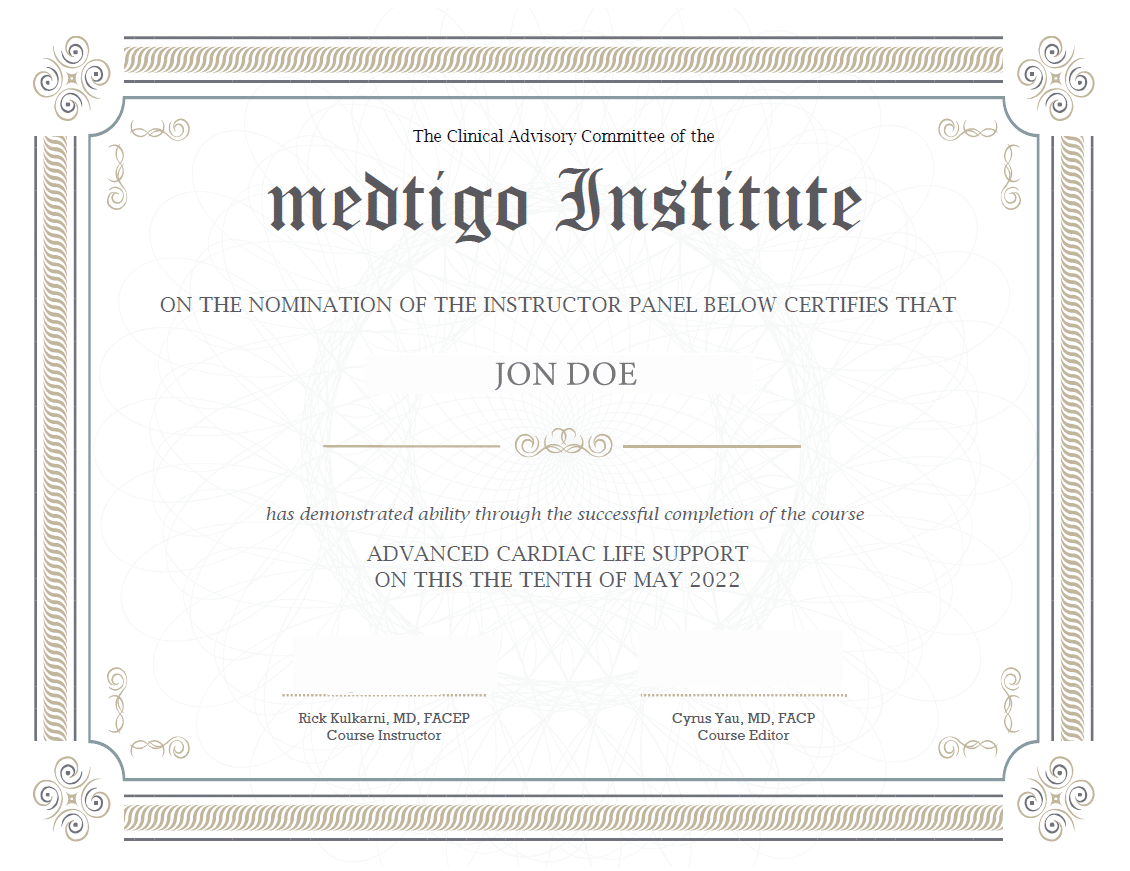
On course completion, you will receive a full-sized presentation quality digital certificate.
medtigo Simulation
A dynamic medical simulation platform designed to train healthcare professionals and students to effectively run code situations through an immersive hands-on experience in a live, interactive 3D environment.
medtigo Points
medtigo points is our unique point redemption system created to award users for interacting on our site. These points can be redeemed for special discounts on the medtigo marketplace as well as towards the membership cost itself.
Community Forum post/reply = 5 points
*Redemption of points can occur only through the medtigo marketplace, courses, or simulation system. Money will not be credited to your bank account. 10 points = $1.
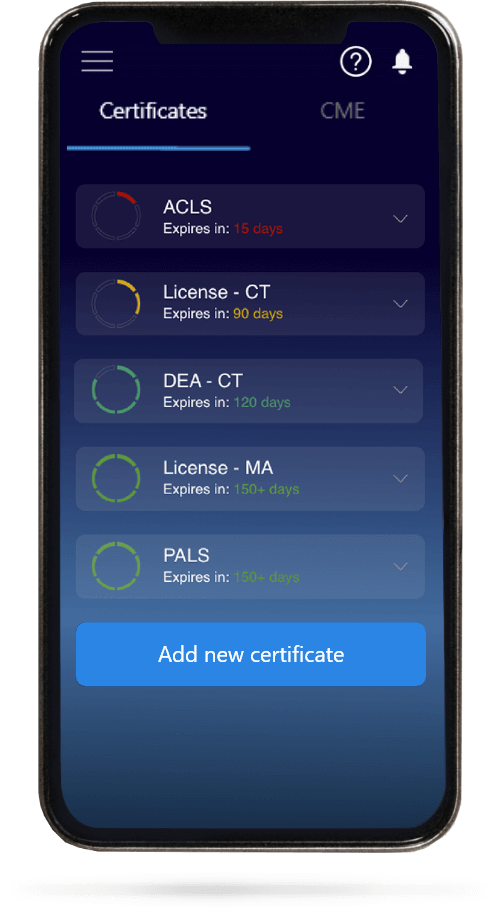
All Your Certificates in One Place
When you have your licenses, certificates and CMEs in one place, it's easier to track your career growth. You can easily share these with hospitals as well, using your medtigo app.