In sedation medications are used to relax, calm, and induce sleep during procedure/surgery in any patient.
Treating pain and anxiety in ED it is necessary to maintain satisfaction and quality of care.Sedation reduces patient awareness and responsiveness to the environment and external stimuli during treatment.
Physicians need to determine the required sedation dose and correct medication before administration.
Types of Sedation:
Minimal Sedation
Moderate Sedation
Deep Sedation
General Anesthesia
Medication used in sedation:
Benzodiazepines:
E.g., Midazolam, Diazepam
Barbiturates:
E.g., Phenobarbital, Pentobarbital
Opioids:
E.g., Fentanyl, Morphine
Nonopioid analgesic:
E.g., Ketamine
Indications
Sedation is used in following cases:
Endoscopy/Colonoscopy
Minor Surgical Procedures
Dental Procedures
Diagnostic Imaging
Emergency Medicine
Fracture Reduction
Laceration Repair
Abscess Drainage
Mechanical Ventilation
Procedures in ICU
Pediatrics
Imaging Studies
Contraindications
Absolute Contraindications are:
Allergy or Hypersensitivity
Severe Cardiopulmonary Conditions are:
Acute Head Injury with Increased Intracranial Pressure
Severe Liver or Kidney Dysfunction
Severe Obesity
Pregnancy
History of Substance Abuse
Mental Health Disorders
Coagulopathy or Anticoagulant Therapy
Situational and Procedural Contraindications are:
Inadequate Fasting
Lack of Proper Monitoring and Resuscitation Equipment
Outcomes
Decreased anxiety, pain, distress, improved patient cooperation in uncomfortable procedures.
Sedatives may cause memory loss, while respiratory depression may lead to hypoventilation and hypoxemia during sedation.
Sedative medicines can cause hypotension, bradycardia, arrhythmias, and cardiac arrest also shows prolonged effects in liver or kidney dysfunction patients.
Equipment required
Monitoring Equipment
Non-Invasive Blood Pressure Monitor
Airway Management Equipment
Respiratory Rate Monitor
Intravenous Access and Administration Equipment
Patient Preparation
Informed Consent:
Based on patient’s health status, procedure, and level of sedation explain in detail to get consent from patient.
Patient Positioning
Patient should lay down in supine position as per procedure/surgery.
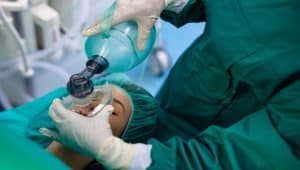
Fig. Sedation before procedure
Technique
Step 1: Administration of sedation:
Oral Sedation:
Administer the prescribed medication with water.
Inhalation Sedation:
Start with a low concentration of nitrous oxide, then adjust as per patient comfort.
IV Sedation:
Begin with a low dose, titrate with effect while monitoring patient response.
IM Sedation:
Administer the appropriate dose based on weight and desired sedation level.
Step 2: patient monitoring
Monitor heart rate, blood pressure, respiratory rate, and oxygen saturation.
Use sedation scales to assess and document sedation depth.
In sedation medications are used to relax, calm, and induce sleep during procedure/surgery in any patient.
Treating pain and anxiety in ED it is necessary to maintain satisfaction and quality of care.Sedation reduces patient awareness and responsiveness to the environment and external stimuli during treatment.
Physicians need to determine the required sedation dose and correct medication before administration.
Types of Sedation:
Minimal Sedation
Moderate Sedation
Deep Sedation
General Anesthesia
Medication used in sedation:
Benzodiazepines:
E.g., Midazolam, Diazepam
Barbiturates:
E.g., Phenobarbital, Pentobarbital
Opioids:
E.g., Fentanyl, Morphine
Nonopioid analgesic:
E.g., Ketamine
Sedation is used in following cases:
Endoscopy/Colonoscopy
Minor Surgical Procedures
Dental Procedures
Diagnostic Imaging
Emergency Medicine
Fracture Reduction
Laceration Repair
Abscess Drainage
Mechanical Ventilation
Procedures in ICU
Pediatrics
Imaging Studies
Absolute Contraindications are:
Allergy or Hypersensitivity
Severe Cardiopulmonary Conditions are:
Acute Head Injury with Increased Intracranial Pressure
Severe Liver or Kidney Dysfunction
Severe Obesity
Pregnancy
History of Substance Abuse
Mental Health Disorders
Coagulopathy or Anticoagulant Therapy
Situational and Procedural Contraindications are:
Inadequate Fasting
Lack of Proper Monitoring and Resuscitation Equipment
Decreased anxiety, pain, distress, improved patient cooperation in uncomfortable procedures.
Sedatives may cause memory loss, while respiratory depression may lead to hypoventilation and hypoxemia during sedation.
Sedative medicines can cause hypotension, bradycardia, arrhythmias, and cardiac arrest also shows prolonged effects in liver or kidney dysfunction patients.
Monitoring Equipment
Non-Invasive Blood Pressure Monitor
Airway Management Equipment
Respiratory Rate Monitor
Intravenous Access and Administration Equipment
Informed Consent:
Based on patient’s health status, procedure, and level of sedation explain in detail to get consent from patient.
Patient should lay down in supine position as per procedure/surgery.
Fig. Sedation before procedure
Step 1: Administration of sedation:
Oral Sedation:
Administer the prescribed medication with water.
Inhalation Sedation:
Start with a low concentration of nitrous oxide, then adjust as per patient comfort.
IV Sedation:
Begin with a low dose, titrate with effect while monitoring patient response.
IM Sedation:
Administer the appropriate dose based on weight and desired sedation level.
Step 2: patient monitoring
Monitor heart rate, blood pressure, respiratory rate, and oxygen saturation.
Use sedation scales to assess and document sedation depth.
Both our subscription plans include Free CME/CPD AMA PRA Category 1 credits.
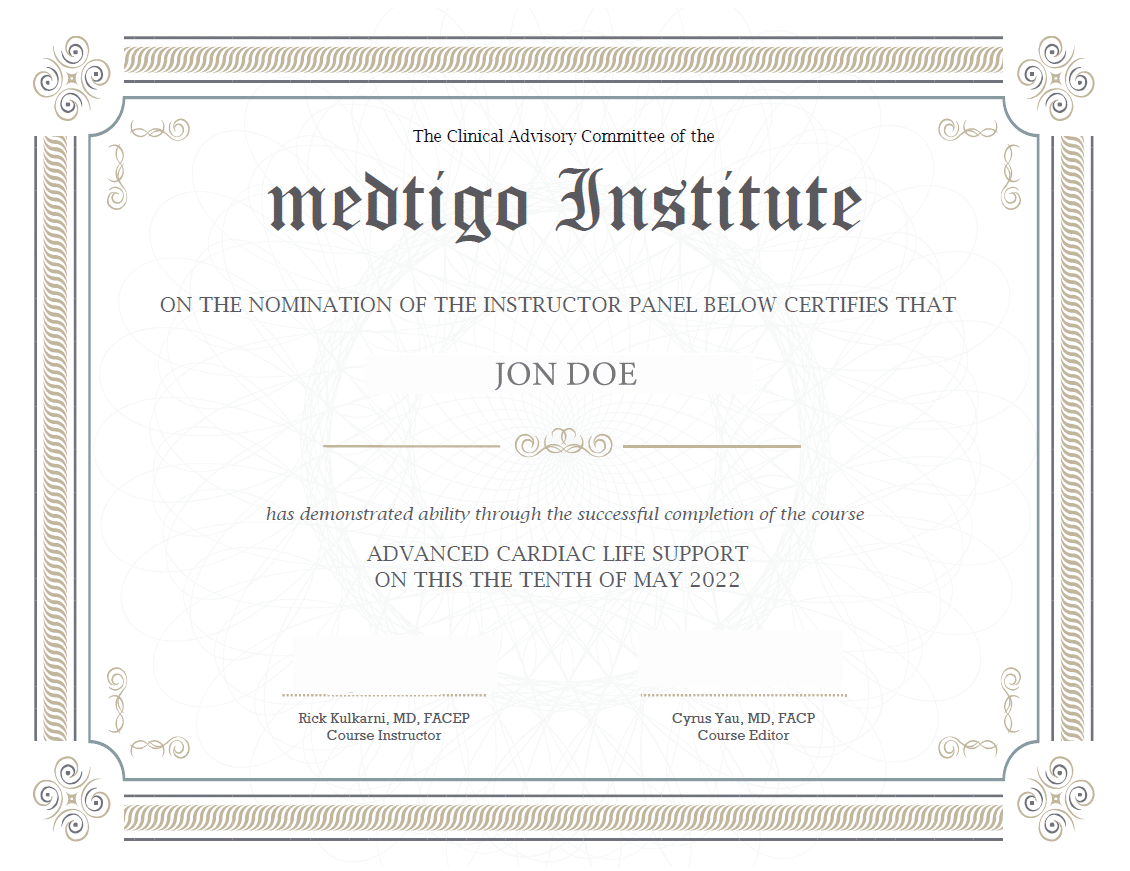
Digital Certificate PDF
On course completion, you will receive a full-sized presentation quality digital certificate.
medtigo Simulation
A dynamic medical simulation platform designed to train healthcare professionals and students to effectively run code situations through an immersive hands-on experience in a live, interactive 3D environment.
medtigo Points
medtigo points is our unique point redemption system created to award users for interacting on our site. These points can be redeemed for special discounts on the medtigo marketplace as well as towards the membership cost itself.
Community Forum post/reply = 5 points
*Redemption of points can occur only through the medtigo marketplace, courses, or simulation system. Money will not be credited to your bank account. 10 points = $1.
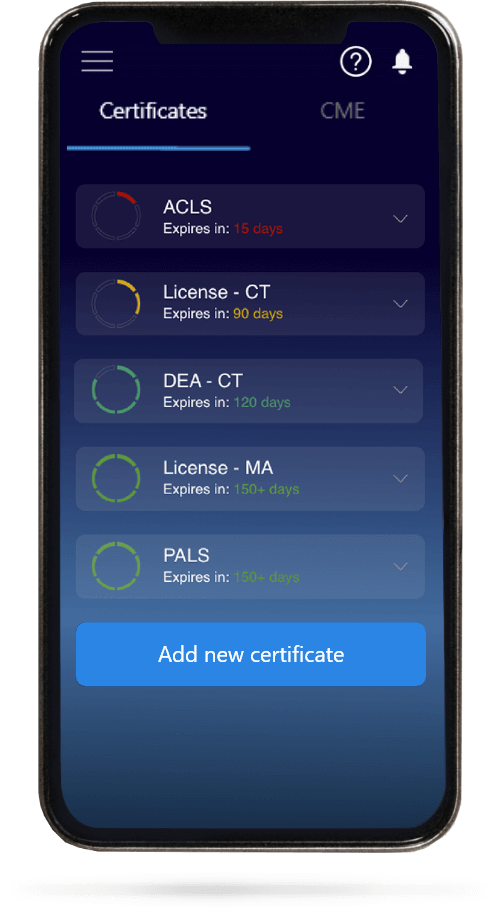
All Your Certificates in One Place
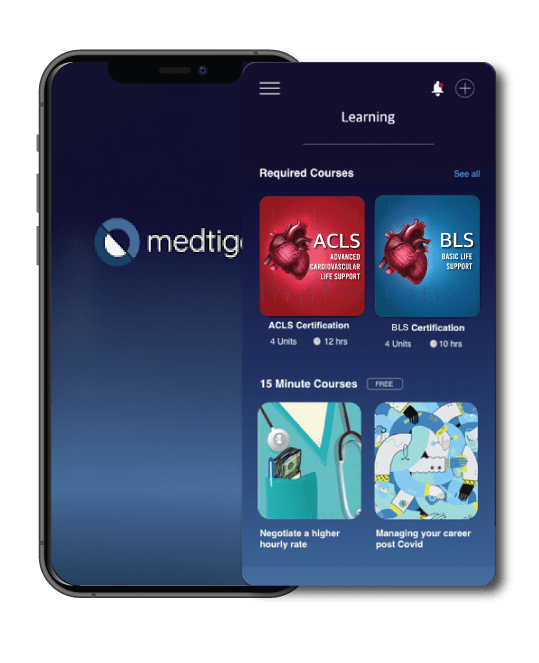
When you have your licenses, certificates and CMEs in one place, it's easier to track your career growth. You can easily share these with hospitals as well, using your medtigo app.