Hidden Risks of Exosome Injections in Pain Management
April 8, 2026




Brand Name :
Widaplik
Synonyms :
amlodipine, indapamide and telmisartan
Class :
Angiotensin‐Receptor Blocker (ARB)/Calcium Channel Blocker (CCB)



Brand Name :
Widaplik
Synonyms :
amlodipine, indapamide and telmisartan
Class :
Angiotensin‐Receptor Blocker (ARB)/Calcium Channel Blocker (CCB)
Dosage Forms & Strengths
Tablet
telmisartan/amlodipine/indapamide
10mg/1.25mg/0.625mg
20mg/2.5mg/1.25mg
40mg/5mg/2.5mg
Adjust dose based on response; most blood pressure reduction occurs within two weeks.
Starting dose: 10 mg/1.25 mg/0.625 mg or 20 mg/2.5 mg/1.25 mg taken orally once daily, depending on the expected degree of blood pressure reduction.
Maximum dose: Do not exceed 40 mg/5 mg/2.5 mg taken orally once daily.
Dosage modifications
Renal Impairment
Telmisartan: No significant change in AUC
Amlodipine: Minimal impact on pharmacokinetics
Indapamide: Pharmacokinetic effects not clearly established
Hepatic Impairment
As all three drugs—telmisartan, amlodipine, and indapamide—are primarily metabolized in the liver, start treatment with the lowest dose and increase gradually.
Pediatric Dosing
Safety and efficacy not established
Geriatric Dosing
Adjust the dosage based on individual patient needs; if necessary, the dose can be increased after two weeks, as most of the blood pressure-lowering effect is typically observed within that timeframe.
Starting dose: 10 mg/1.25 mg/0.625 mg taken orally once daily.
Frequency defined
At Week 12 of Treatment
Low sodium levels (<135 mmol/L) occurred in 7.3% of patients
Low potassium levels (<3.5 mmol/L) were observed in 6.8%
Symptomatic low blood pressure was reported in 5.9%
At Week 4 of Treatment
3.5% of patients had sodium levels below 135 mmol/L
Potassium dropped below 3.5 mmol/L in 3.5%
Symptomatic hypotension was noted in 3.5% of cases
Black Box Warning
Stop treatment immediately if pregnancy is confirmed.
Medications affecting the renin-angiotensin-aldosterone system may harm the fetus and can lead to serious injury or death during development.
Contraindication / Caution:
Contraindications
Anuria
Hypersensitivity to telmisartan, amlodipine, indapamide, sulfonamides, or any component of the product
Use with aliskiren in diabetic patients
Cautions
Fetal Toxicity: RAAS inhibitors like telmisartan can harm fetal kidney function in late pregnancy, causing serious complications. Discontinue if pregnancy is detected.
Hypotension: May cause low blood pressure, especially in volume-depleted patients. Amlodipine may worsen angina in coronary artery disease. Monitor BP closely.
Electrolyte/Glucose Imbalance: Thiazide-like diuretics can lower sodium, potassium, and magnesium and affect blood sugar. RAAS blockers may increase potassium—regular monitoring needed.
Renal Function: Risk of kidney dysfunction or failure, especially in heart or kidney disease. Monitor renal function periodically.
Eye Issues: Indapamide may rarely cause acute glaucoma or visual changes—discontinue if symptoms occur, particularly in those with sulfa or penicillin allergy.
Pregnancy / Lactation:
Pregnancy consideration: This drug may harm the fetus if used during pregnancy. Discontinue immediately if pregnancy is detected.
Lactation: There is no data on the presence of telmisartan or indapamide in human milk, or their effects on breastfeeding infants or milk production. Amlodipine has been found in breast milk at low levels (median infant dose ~4.2%), with no reported harm to infants and no known effect on milk production.
Pregnancy category:
Category A: Satisfactory and well-controlled studies show no risk to the fetus in the first or later trimester.
Category B: There is no evidence of risk to the fetus found in animal reproduction studies and there are not enough studies on pregnant women.
Category C: Adverse effects on the fetus found with evidence in animal reproduction studies and no adequate evidence for an effect in humans, care must be taken for potential risks in pregnant women
Category D: There is adequate data available with sufficient evidence of human fetal risk from various platforms, but despite potential risks may be used only in emergency cases for potential benefits.
Category X: Drugs listed in this category outweigh risks over benefits These category drugs should be prohibited for pregnant women.
Category N: There is no data available for the drug under this category.
Pharmacology
The FDA-approved triple-combination pill GMRx2 contains:
This combination has shown superior efficacy in lowering systolic blood pressure compared to dual therapies and placebo in phase 3 trials, with a favorable safety and tolerability profile. It is suitable for initial and long-term treatment of hypertension.
Pharmacodynamics
They synergistically reduce blood pressure more effectively than monotherapy by addressing vascular resistance, fluid retention, and hormonal regulation.
Pharmacokinetics
Absorption
Telmisartan: Moderately absorbed orally (~50% bioavailability); not significantly affected by food.
Amlodipine: Well absorbed (60–65% bioavailability); slow onset with peak plasma levels in 6–8 hours.
Indapamide: Rapid and nearly complete absorption (>90%); peak levels in 1–2 hours.
Distribution
Telmisartan: Extensive tissue distribution; very high protein binding (>99.5%).
Amlodipine: Large volume of distribution (~21 L/kg); ~98% protein bound.
Indapamide: Also highly protein bound (~76–79%) and binds to erythrocytes.
Metabolism
Telmisartan: Minimal hepatic metabolism via conjugation (glucuronidation); not CYP-dependent.
Amlodipine: Extensively metabolized in the liver via CYP3A4 to inactive metabolites.
Indapamide: Hepatically metabolized with negligible active metabolites.
Elimination/Excretion
Telmisartan: Primarily excreted via bile/feces (mostly unchanged).
Amlodipine: Renal excretion (60%) of metabolites; <10% unchanged.
Indapamide: Excreted via urine (~60–70%) and to a lesser extent in feces.
Administration
It is taken orally and may be administered with or without food. Tablets should be swallowed whole – do not cut, crush, or chew them. Store at 20–25°C (68–77°F), with allowed excursions between 15–30°C (59–86°F). Keep protected from moisture and light and always store and dispense in the original container.
Patient information leaflet
Generic Name: amlodipine, indapamide and telmisartan
Pronounced: am-LOE-di-peen, in-DAP-a-mide, TEL-mi-sar-tan
Why do we use amlodipine, indapamide and telmisartan?
Telmisartan-amlodipine-indapamide is being developed to treat hypertension, a condition marked by consistently high blood pressure that places excess strain on the heart, blood vessels, brain, kidneys, and eyes.
Both our subscription plans include Free CME/CPD AMA PRA Category 1 credits.
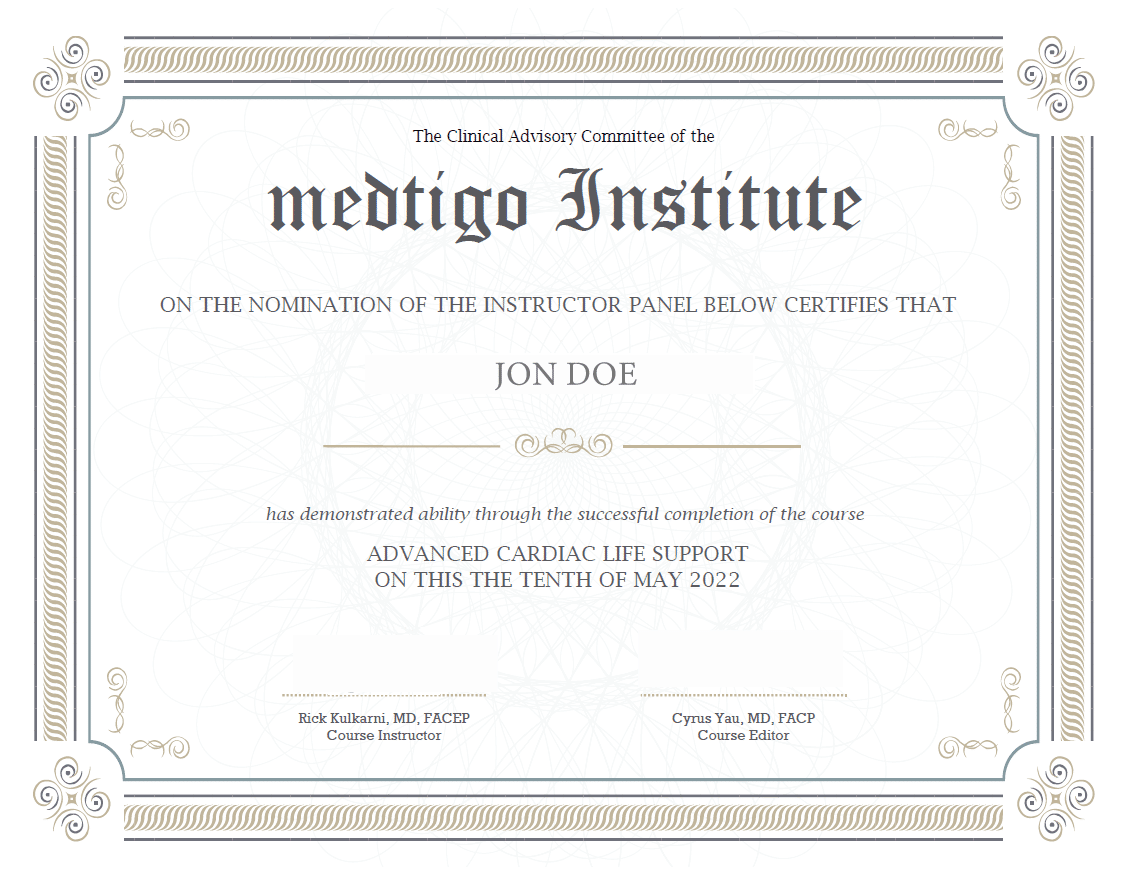
On course completion, you will receive a full-sized presentation quality digital certificate.
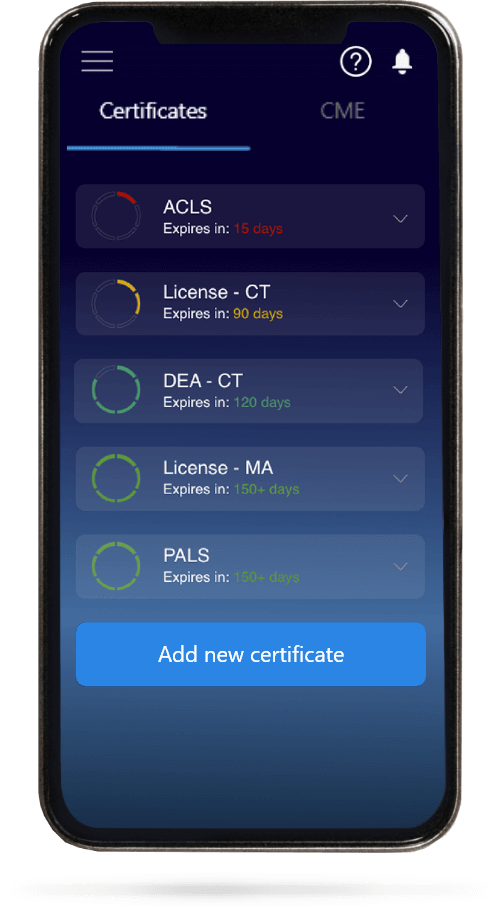
When you have your licenses, certificates and CMEs in one place, it's easier to track your career growth. You can easily share these with hospitals as well, using your medtigo app.