Hidden Risks of Exosome Injections in Pain Management
April 8, 2026




Brand Name :
Anthrasil
Synonyms :
anthrax immune globulin
Class :
Other, Antidotes



Brand Name :
Anthrasil
Synonyms :
anthrax immune globulin
Class :
Other, Antidotes
Dosage Forms & Strengths
solution for intravenous injection
40-70mg/vial; varying fill the quantity per vial in total protein concentration
Above 17 yrs: 420 units (7 vials) Intravenous; start intravenous therapy at 0.5 mL/min over 30 minutes; if tolerated, can increase the infusion rate with 0.5 mL/min every 30 minutes; should not exceed more than 2 mL/min.
Select the initial dosage based on the severity; adults with severe cases can warrant 14 vials (840 units).
Dosage Forms & Strengths
solution for intravenous injection
40-70mg/vial; varying fill the quantity per vial in total protein concentration
Below 16 yrs: 60 to 420 units (1 to 7 vials) Intravenous; start intravenous therapy at 0.01 mL/kg/min over 30 minutes; if tolerated, can increase the infusion rate with 0.02 mL/kg/min every 30 minutes; should not exceed more than 0.04 mL/kg/min
Do not exceed the adult injection rate when starting (i.e., 0.5 mL/min) or when using the maximum rate (i.e., 2 mL/min)
Select the initial dosage based on the severity; pediatric patients with severe cases can warrant 2 to 14 vials (based on the weight) weighing above 5 kg
Vials required by the weight
Below 10 kg: 1 vial
10 to below 18 kg: 2 vials
18 to below 25 kg: 3 vials
25 to below 35 kg: 4 vials
35 to below 50 kg: 5 vials
50 to below 60 kg: 6 vials
Above 60 kg: 7 vials
Refer to the adult dosing regimen
Actions and spectrum:
anthrax immune globulin (AIG) is a polyclonal antibody product used for the treatment of anthrax infection caused by Bacillus anthracis. AIG is derived from the plasma of immunized human donors and contains antibodies against the protective antigen (PA) component of the anthrax toxin.
When B. anthracis bacteria are introduced into the body, they produce three toxins: lethal toxin, edema toxin, and PA. PA is necessary for the toxins to enter cells, and it is the primary target of AIG.
AIG binds to PA and neutralizes its activity, preventing it from facilitating the entry of lethal and edema toxins into cells. By doing so, AIG can prevent the development of anthrax infection or halt its progression.
Frequency defined
1-10%
Back pain (3.7%)
Swelling at Infusion site (7.4%)
Pain at Infusion site (9.3%)
Nausea (9.3%)
>10%
Headache (20.4%)
Black Box Warning:
There is no black box warning associated with the use of anthrax immune globulin.
Contraindication/Caution:
Contraindication:
anthrax immune globulin (AIG) is contraindicated in patients with hypersensitivity to immunoglobulin products. It should also not be administered to patients who have had a severe or immediate reaction to a previous dose of AIG.
Caution:
Comorbidities:
There is no specific information on comorbidities of anthrax immune globulin. However, caution should be exercised when administering anthrax immune globulin to individuals with a history of allergy or hypersensitivity reactions to human immunoglobulin products.
Pregnancy consideration: N/A
Lactation: N/A
Pregnancy category:
Pharmacology:
anthrax immune globulin (AIG) specifically targets the protective antigen (PA) component of anthrax toxin and neutralizes the effects of anthrax toxin. When administered intravenously, AIG binds to circulating PA, forming a complex that prevents it from binding to and entering cells. This prevents the subsequent steps in the pathogenesis of anthrax, including the formation of lethal toxin and edema toxin, and prevents the systemic effects of anthrax infection.
AIG has no direct antibacterial activity and is not effective against Bacillus anthracis organisms that have already entered cells and begun to produce toxin. As such, it is not a substitute for antimicrobial therapy in the treatment of anthrax infection. Rather, it is intended to be used as an adjunct to antimicrobial therapy in the management of severe, life-threatening cases of anthrax, where the systemic effects of anthrax toxin are a major contributing factor to morbidity and mortality.
Pharmacodynamics:
The pharmacodynamics of AIG is based on its ability to neutralize the PA component of anthrax toxin. PA binds to host cell receptors and then forms a complex with the other two components of anthrax toxin, edema factor (EF) and lethal factor (LF), allowing them to enter host cells. Once inside, EF and LF disrupt cellular processes, leading to edema and tissue damage.
AIG neutralizes PA by binding to it and preventing it from binding to host cell receptors, thereby preventing the formation of the anthrax toxin complex and subsequent cellular damage. AIG does not bind to EF or LF directly, but by neutralizing PA, it indirectly inhibits their activity.
The onset of action of AIG is immediate upon administration, as it begins to neutralize circulating PA. The duration of action depends on the dose and frequency of administration, as well as the rate of clearance from the body.
Pharmacokinetics:
Absorption
anthrax immune globulin is administered intravenously, which means it bypasses the gastrointestinal tract and is directly delivered to the bloodstream.
Distribution
The distribution of anthrax immune globulin may be influenced by factors such as the dose administered, patient factors, and the presence of any co-administered medications. It is expected to distribute into the extracellular fluid and interstitial spaces of the body. It may also cross the placenta and distribute into breast milk.
Metabolism
anthrax immune globulin is a protein, and as such, it is not metabolized in the traditional sense like small molecule drugs. Instead, it gets broken down by proteolytic enzymes into amino acids, which can be recycled by the body for various purposes.
Elimination and excretion
The excretion and elimination of anthrax immune globulin have not been specifically studied. However, as with other immunoglobulin G (IgG) antibodies, it is expected to be catabolized into amino acids and small peptides, which are then eliminated via normal metabolic pathways. The half-life of anthrax immune globulin is approximately 21 days, which suggests that it is eliminated from the body slowly.
Administration:
anthrax immune globulin is administered intravenously (IV) by a healthcare professional in a hospital or clinical setting. The duration and dosage of treatment may vary based on the severity of infection and the patient’s response to the treatment. It is usually given in combination with antibiotics and other supportive care.
Patient information leaflet
Generic Name: anthrax immune globulin
Pronounced: (AN-thracks ih-MYOON GLAH-byoo-lin)
Why do we use anthrax immune globulin?
anthrax immune globulin (AIG) is a medication that is used on both adults and children to treat inhalational anthrax caused by Bacillus anthracis along with the appropriate antibacterial drugs and to prevent inhalational anthrax when other treatments are not available or are not appropriate. AIG works by neutralizing the toxins produced by the bacteria, which can help reduce the severity of the infection and improve the patient’s chances of survival.
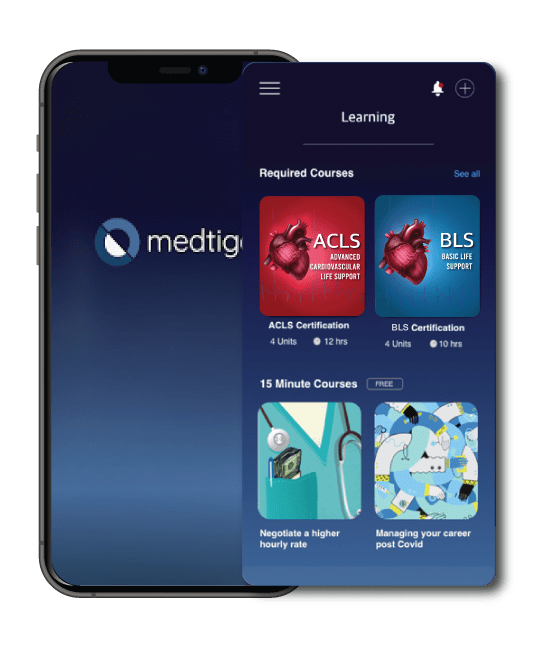
Both our subscription plans include Free CME/CPD AMA PRA Category 1 credits.
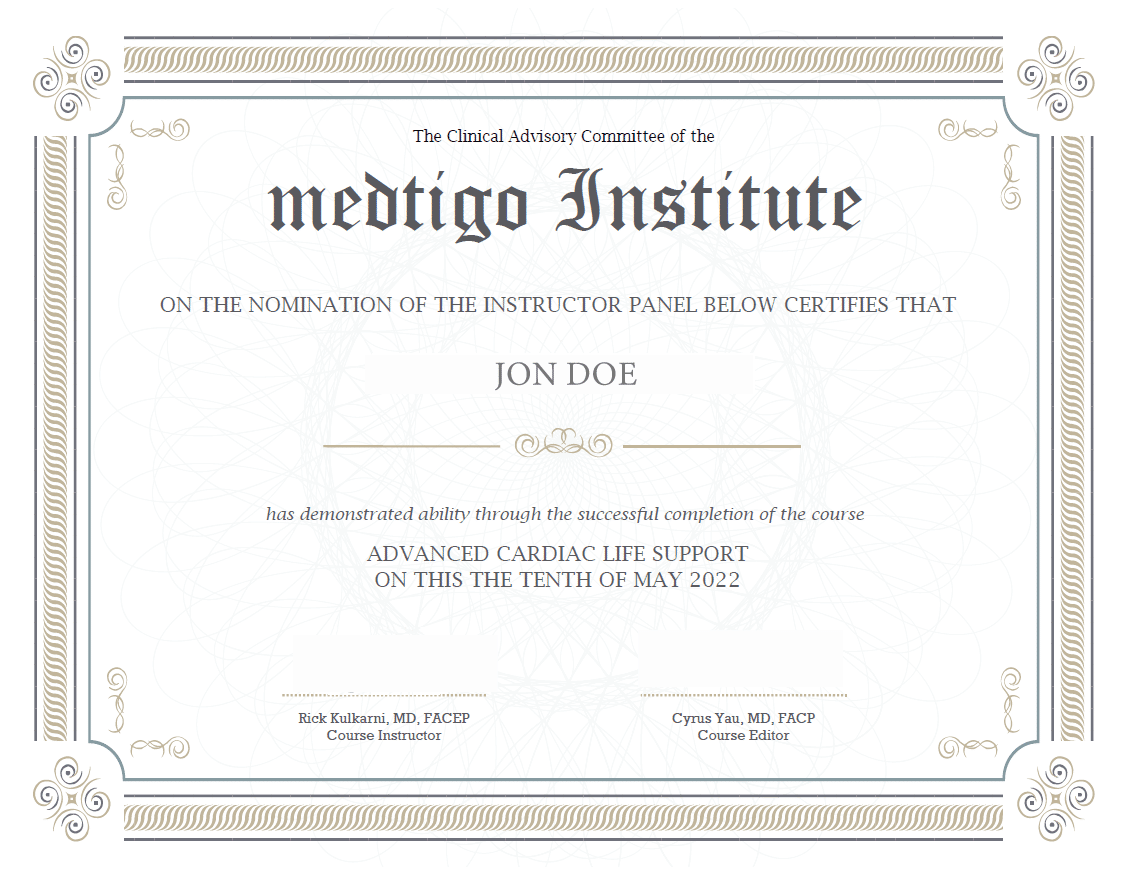
On course completion, you will receive a full-sized presentation quality digital certificate.
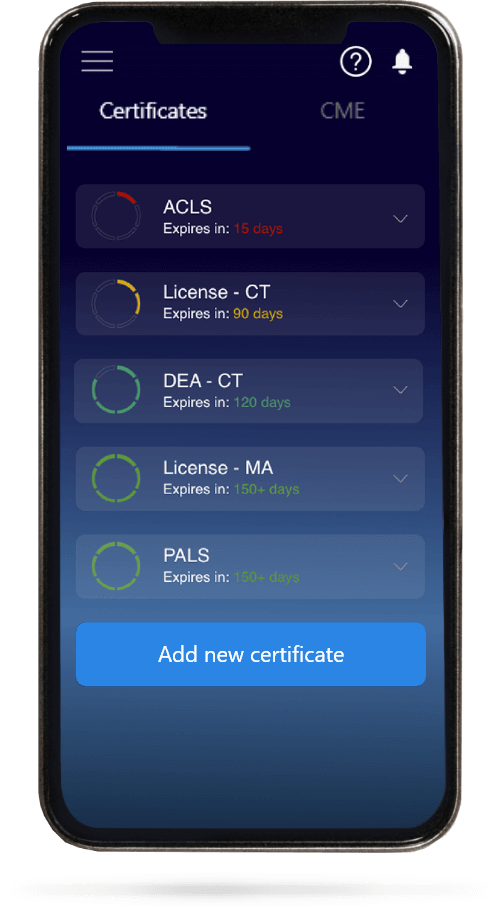
When you have your licenses, certificates and CMEs in one place, it's easier to track your career growth. You can easily share these with hospitals as well, using your medtigo app.