Hidden Risks of Exosome Injections in Pain Management
April 8, 2026




Brand Name :
Synonyms :
anthrax vaccine adsorbed, adjuvanted
Class :
Vaccines, Inactivated, Bacterial



Brand Name :
Synonyms :
anthrax vaccine adsorbed, adjuvanted
Class :
Vaccines, Inactivated, Bacterial
Effectiveness is based on animal research; recommended for postexposure prophylaxis of anthrax (Bacillus anthracis) in adults aged 18 to 65 in conjunction with antibiotic treatment
At Weeks 0 and 2 after exposure, give 0.5 mL intramuscularly
Actions and Spectrum:
anthrax vaccine adsorbed (AVA) is a vaccine used to protect against anthrax, a serious bacterial infection caused by Bacillus anthracis. The vaccine contains a protective antigen (PA) derived from the anthrax toxin, which is adsorbed onto aluminum hydroxide adjuvant. The adjuvant helps to stimulate the immune response, improving the effectiveness of the vaccine.
The mechanism of action of AVA is to stimulate the production of antibodies against the PA antigen, which plays important role in the pathogenesis of anthrax. By inducing an immune response against PA, the vaccine helps to prevent the toxin from causing harm to the body.
The spectrum of the vaccine refers to the range of protection it provides against different strains of the anthrax bacterium. AVA is effective against the strains of B. anthracis that are most likely to be used in a bioterrorism attack. These strains are known as the Ames, Vollum, and Sterne strains
Black Box Warning:
The anthrax vaccine Adsorbed (AVA) carries a black box warning, states that the vaccine may cause serious and sometimes life-threatening adverse reactions, and that the vaccine should only be given to individuals who are at high risk to anthrax exposure.
The black box warning specifically highlights the risk of anaphylaxis, that can occur after vaccination. Anaphylaxis is a rare but serious reaction that can lead to difficulty breathing, a drop in blood pressure, and shock.
The warning also notes that AVA may increase the risk of myocarditis and pericarditis.These conditions can cause chest pain, shortness of breath, and other symptoms that may require hospitalization.
Contraindication/Caution:
Contraindication
anthrax vaccine adsorbed (AVA) is contraindicated in individuals who had a severe allergic reaction to a prior dose of vaccine or to any component of the vaccine. Components of the vaccine may include aluminum hydroxide, benzethonium chloride, and formaldehyde, among others.
The vaccine is also contraindicated in individuals who have a history of severe allergic reactions to any vaccine that contains the same components as AVA, or in individuals who have a history of Guillain-Barré syndrome during 6 weeks after a previous dose of AVA.
In addition, AVA should not be given to individuals who are currently experiencing an acute febrile illness. The vaccine may be deferred until the individual has recovered from the illness.
The safety and effectiveness of AVA have not been established in certain populations, such as pregnant women and individuals with compromised immune systems. In these cases, the risks and benefits of vaccination should be carefully evaluated on a case-by-case basis.
As with any vaccine, individuals should consult with their healthcare provider to determine if AVA is appropriate for them based on their individual health status and risk factors.
Caution
Pregnancy consideration:
Pregnancy category: N/A
Lactation: Excreted into human milk is unknown
Pregnancy category:
Pharmacology:
anthrax vaccine adsorbed (AVA) is a vaccine that works by stimulating the body’s immune system to produce antibodies against the protective antigen (PA) component of the anthrax bacteria.
The vaccine is adsorbed onto aluminum hydroxide, which helps to enhance the immune response to the vaccine by slowly releasing the vaccine components over time. Additionally, the vaccine contains an adjuvant (an immune-stimulating substance) called squalene, which helps to further enhance the immune response.
Pharmacodynamics:
This vaccine is prepared using a cell-free filtrate of B. anthracis that does not contain any dead or live bacteria, making it a safe and effective means of active immunization.
Pharmacokinetics:
There is limited information available on the pharmacokinetics of anthrax vaccine adsorbed (AVA), as it is a vaccine and not a drug. However, it is known that the vaccine is administered by injection into the muscle and is slowly released from the site of injection due to its adsorption onto aluminum hydroxide.
Once the vaccine components are released into the bloodstream, they stimulate the immune system to produce antibodies against the protective antigen (PA) component of the anthrax bacteria. The antibodies produced can persist in the body for several years and provide protection against the bacteria.
The recommended series of 5 doses of AVA, followed by booster doses every 12-18 months, is intended to ensure that the body produces and maintains a sufficient level of antibodies against the anthrax bacteria.
As with any vaccine, the pharmacokinetics of AVA might vary depending on individual factors such as age, health status, and immune response. However, the overall goal of the vaccine is to stimulate the immune system to produce and maintain a protective level of antibodies against anthrax.
Administration:
Intramuscular administration
anthrax vaccine adsorbed (AVA) is generally administered by injection into the muscle of the upper arm.
The vaccine is typically given in a series of 5 doses, with the first dose followed by doses at 4 weeks, 6 months, 12 months, and 18 months after the first dose. After the initial series, booster doses are recommended every 12-18 months for individuals who remain at high risk of exposure to anthrax.
AVA should be administered by a healthcare provider who is trained in the proper administration of vaccines. The injection site should be cleaned with an alcohol swab prior to injection, and the needle should be inserted at a 90-degree angle into the muscle. After injection, pressure should be applied to the injection site for several seconds to reduce the risk of bleeding and bruising.
Individuals who receive AVA should be monitored for at least 15 minutes after vaccination for any signs of an allergic reaction. In some cases, individuals may be monitored for a longer duration if they have a prior history of severe allergic reactions or other risk factors for adverse reactions.
As with any vaccine, individuals should consult with their healthcare provider to determine if AVA is appropriate for them based on their individual health status and risk factors.
Patient information leaflet
Generic Name: anthrax vaccine adsorbed, adjuvanted (Pending FDA approval)
Pronounced: [ ANTH-rax-vax-EEN ]
Why do we use anthrax vaccine adsorbed, adjuvanted?
anthrax vaccine adsorbed, adjuvanted (Pending FDA approval) is used to protect individuals who are at high risk of exposure to anthrax. This includes:

Both our subscription plans include Free CME/CPD AMA PRA Category 1 credits.
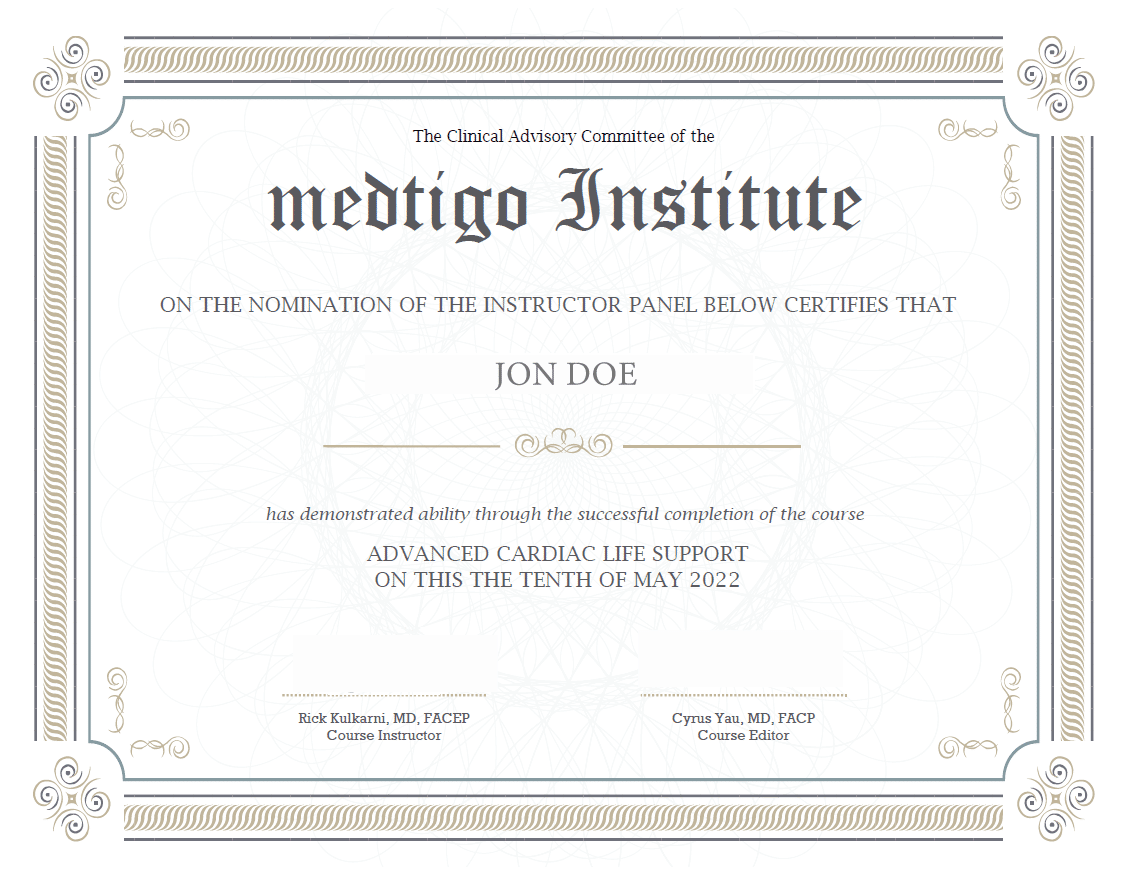
On course completion, you will receive a full-sized presentation quality digital certificate.
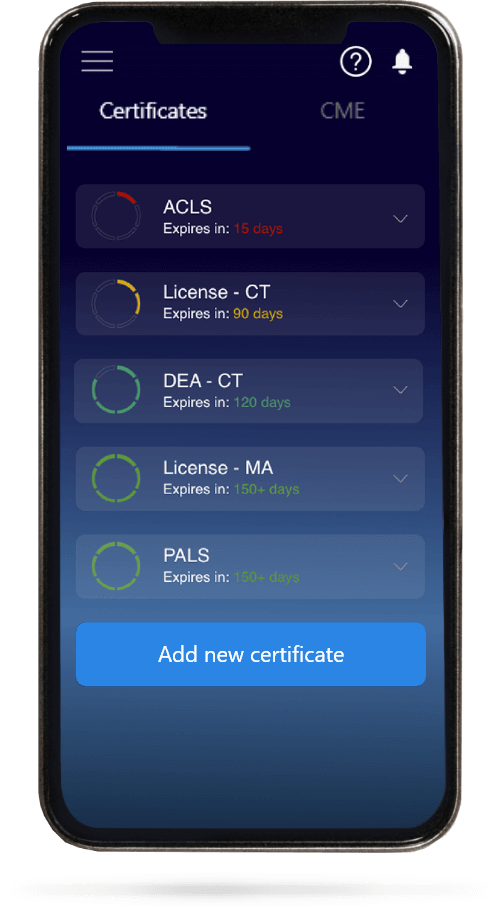
When you have your licenses, certificates and CMEs in one place, it's easier to track your career growth. You can easily share these with hospitals as well, using your medtigo app.