Hidden Risks of Exosome Injections in Pain Management
April 8, 2026




Brand Name :
Cefonomil
Synonyms :
cefsulodin
Class :
Cephalosporins



Brand Name :
Cefonomil
Synonyms :
cefsulodin
Class :
Cephalosporins
Dosage Forms & Strengths
Intravenous Solution
3gm
6gm
Indicated to treat infections caused by Pseudomonas aeruginosa
6 gm intravenously daily in 4 divided doses as a usual dose
3-4 gm intravenously daily in 4 divided doses for less severe infections
Dose Adjustment
In the case of renal impairment,
When CrCl is 20-50 ml/min, keep the loading dose at 1.5 gm and 1 gm after every 8 hours
When CrCl is < 5 ml/min, keep the loading dose at 1.5 gm and 1 gm after every 24 hours
When CrCl is 5-20 ml/min, keep the loading dose at 1.5 gm and 1 gm after every 12 hours
Dosage Forms & Strengths
Intravenous Solution
3gm
6gm
Indicated to treat infections caused by Pseudomonas aeruginosa
100 mg/kg intravenously each day as usual dose
50 mg/kg each day for moderate infections
Refer to the adult dosing
Actions and Spectrum
Actions:
cefsulodin works by inhibiting the synthesis of bacterial cell walls.
It interferes with forming the peptidoglycan layer, of bacterial cell walls, leading to cell wall weakening and eventual cell death.
Spectrum:
cefsulodin has a limited spectrum of activity and is primarily effective against Gram-negative bacteria.
It is beneficial against certain types of Gram-negative rods (Bacilli).
cefsulodin is often used for its activity against members of the Enterobacteriaceae family, such as Klebsiella and Enterobacter species.
>10%
Pseudomembranous colitis
Frequency not defined
Diarrhea
Vomiting
Nausea
Nephrotoxicity
CNS toxicity
Convulsions
Hepatic dysfunction
Pain at the site of injection
Thrombophlebitis
Convulsions
Nephrotoxicity
Black Box Warning:
None
Contraindication/Caution:
Contraindication:
Caution:
Pregnancy consideration:
Pregnancy Category: A
Breastfeeding warnings:
cefsulodin is excreted in the breastmilk in the least amount.
Pregnancy category:
Category A: Well-controlled and satisfactory studies show no risk to the fetus in the initial or later trimester.
<b>Category B: There was no evidence of risk to the fetus in animal studies, and there were not enough studies on pregnant women.
Category C: There was evidence of risk of adverse effects in animal reproduction studies, and no adequate evidence in human studies must take care of potential risks in pregnant women.
Category D: adequate data with sufficient evidence of human fetal risk from various platforms, but despite the potential risk, and used only in emergency cases for potential benefits.
Category X: Drugs listed in this category outweigh the risks over benefits. Hence, these categories of drugs need to be avoided by pregnant women.
Category N: No data is available for the drug under this category.
Pharmacology:
Pharmacodynamics:
Pharmacokinetics:
Absorption
cefsulodin is administered intravenously, and it achieves high blood levels rapidly.
Distribution
It distributes widely in body tissues and fluids but may not penetrate the central nervous system effectively.
Metabolism
cefsulodin undergoes minimal metabolism in the body.
Elimination and Excretion
The drug gets primarily excreted through the kidneys.
Administration:
cefsulodin is administered under the supervision of a healthcare provider, usually in a hospital or clinical setting. The specific dosage of cefsulodin will depend on the type and severity of the infection, the patient’s weight, and other factors. The healthcare provider will calculate the appropriate dosage.
Patient information leaflet
Generic Name: cefsulodin
Pronounced as: sef-su-lo-din
Why do we use cefsulodin?
cefsulodin is an antibiotic primarily used for:
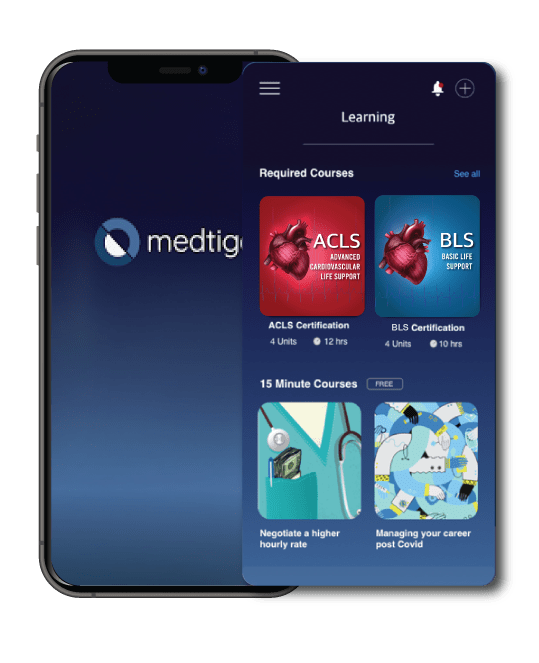
Both our subscription plans include Free CME/CPD AMA PRA Category 1 credits.
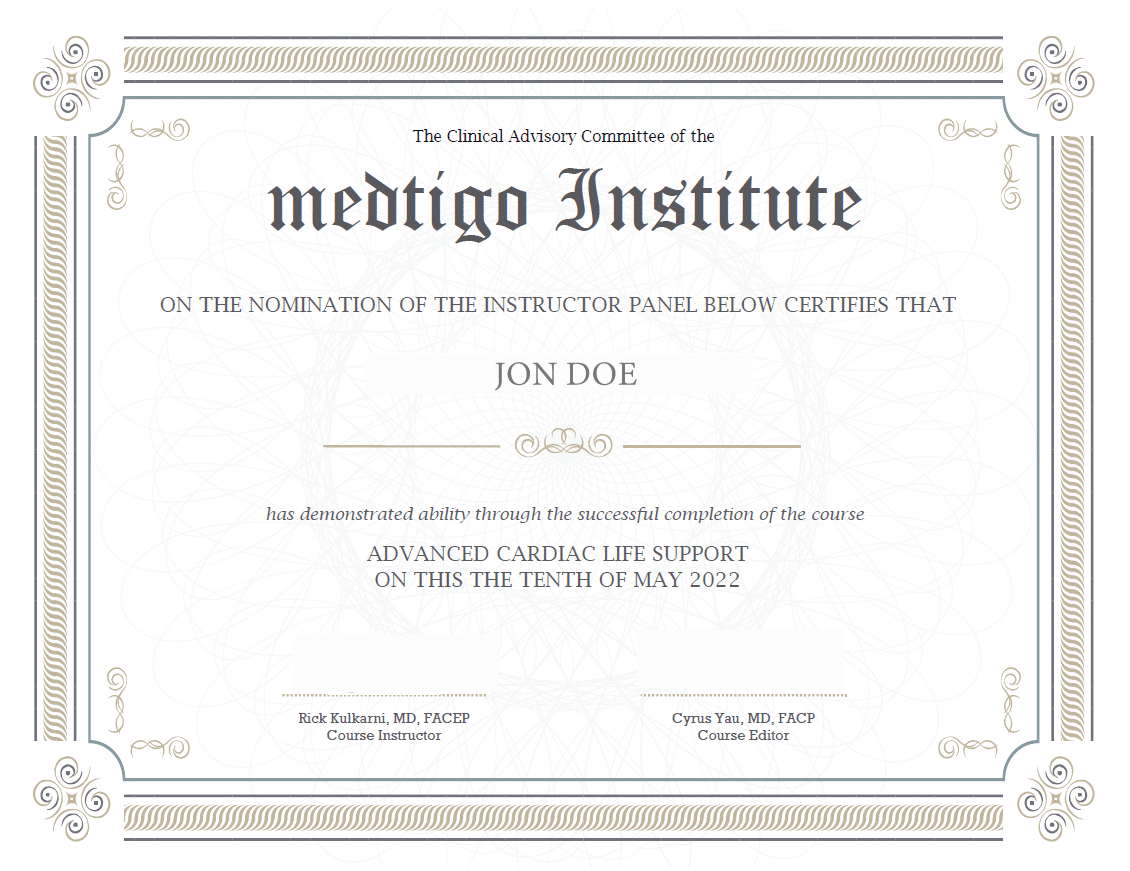
On course completion, you will receive a full-sized presentation quality digital certificate.
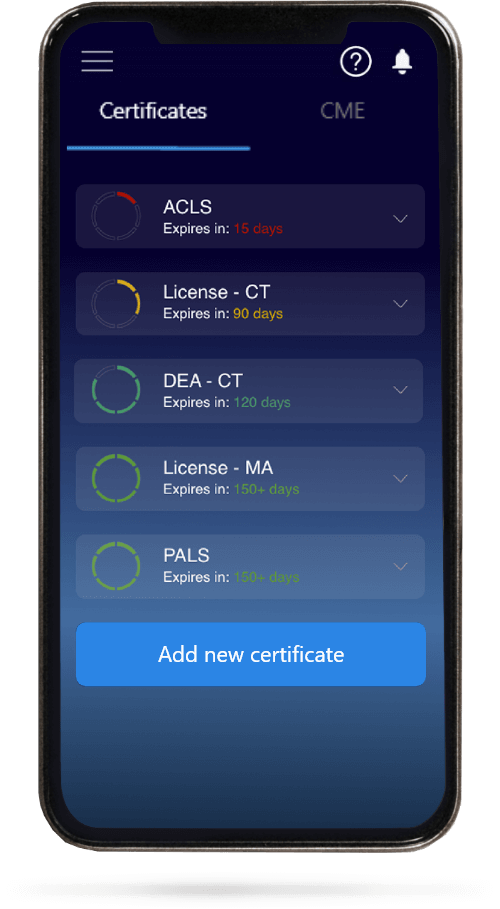
When you have your licenses, certificates and CMEs in one place, it's easier to track your career growth. You can easily share these with hospitals as well, using your medtigo app.