Beyond Clinical Need: The Role of Physician Networks in Medical Referrals
April 18, 2026




Brand Name :
German chamomile, Matricaria recutita, Roman chamomile, Chamomilla recutita, Matricaria chamomilla, Pin heads, Wild chamomile
Synonyms :
chamomile
Class :
Ear, Eye, Nose & Throat, Herbals Dermatology, Herbals Pulmonary, Herbals Gastrointestinal, Herbals




Brand Name :
German chamomile, Matricaria recutita, Roman chamomile, Chamomilla recutita, Matricaria chamomilla, Pin heads, Wild chamomile
Synonyms :
chamomile
Class :
Ear, Eye, Nose & Throat, Herbals Dermatology, Herbals Pulmonary, Herbals Gastrointestinal, Herbals
Suggested Dosing
Dried flower heads
2 to 8 g orally thrice a day
Liquid Extract
1 to 4 ml thrice a day (1:1 in 45% alcohol)
Tea rinse/poultice
Apply 3-10% ointment/gel as needed.
Tea
3 g of dried flower heads per 150 ml of water; one cup, three to four times a day, orally
Actions and Spectrum:
The mechanism of action and spectrum of activity of chamomile can vary depending on the specific bioactive compound and the condition being treated.
Here are some of the potential mechanisms of action and spectrum of activity of chamomile:
The spectrum of activity of chamomile can vary depending on the specific condition being treated. It has been used for various conditions, including skin irritations, digestive disorders, respiratory infections, and anxiety.
Frequency not defined
Contact dermatitis
Vomiting
Anaphylaxis
Hypersensitivity reactions
Contraindications/caution:
Contraindications:
Caution:
Pregnancy consideration: Pregnant women should avoid chamomile, as it can cause contractions and may harm the fetus or infant.
Lactation: N/A
Pregnancy category:
Category A: well-controlled and Satisfactory studies show no risk to the fetus in the first or later trimester.
Category B: there was no evidence of risk to the fetus in animal studies, and there were not enough studies on pregnant women.
Category C: there was evidence of risk of adverse effects in animal reproduction studies, and no adequate evidence in human studies must take care of potential risks in pregnant women.
Category D: adequate data with sufficient evidence of human fetal risk from various platforms, but despite the potential risk, and used only in emergency cases for potential benefits.
Category X: Drugs listed in this category outweigh the risks over benefits. Hence these categories of drugs need to be avoided by pregnant women.
Category N: There is no data available for the drug under this category
Pharmacology:
chamomile (Matricaria chamomilla) is an herb used for centuries as a traditional medicine for various ailments. It is known for its anti-inflammatory, antioxidant, antispasmodic, and soothing properties. chamomile contains various bioactive compounds, including flavonoids, terpenoids, and phenolic compounds, contributing to its pharmacological effects.
Pharmacodynamics:
chamomile (Matricaria chamomilla) contains several bioactive compounds contributing to its pharmacological effects. Here are some of the pharmacodynamic effects of chamomile:
Pharmacokinetics:
Absorption
chamomile is commonly consumed as an herbal tea, and the bioactive compounds in chamomile are readily absorbed from the gastrointestinal tract. However, the absorption of chamomile may be affected by factors such as the dose, formulation, and co-ingestion of other substances.
Distribution
The bioactive compounds in chamomile are distributed throughout the body via the bloodstream. However, the distribution of chamomile may be limited by factors such as the solubility and molecular weight of the bioactive compounds.
Metabolism
The bioactive compounds in chamomile are metabolized in the liver by enzymes such as cytochrome P450 enzymes. The primary metabolites of chamomile include apigenin and quercetin, which have been shown to have pharmacological effects.
Elimination and Excretion
The metabolites of chamomile are excreted primarily in the urine and feces. However, the excretion of chamomile may be affected by factors such as the dose, formulation, and renal function.
Administration:
chamomile (Matricaria chamomilla) can be administered in various ways, depending on the intended use and the individual’s preference. Here are some of the standard administration methods for chamomile:
Patient information leaflet
Generic Name: chamomile
Why do we use chamomile?
chamomile is a herb that has been used for centuries for its medicinal properties. It is known for its calming and relaxing effects and is often used to treat anxiety and insomnia. Here are some common uses of chamomile:

Both our subscription plans include Free CME/CPD AMA PRA Category 1 credits.
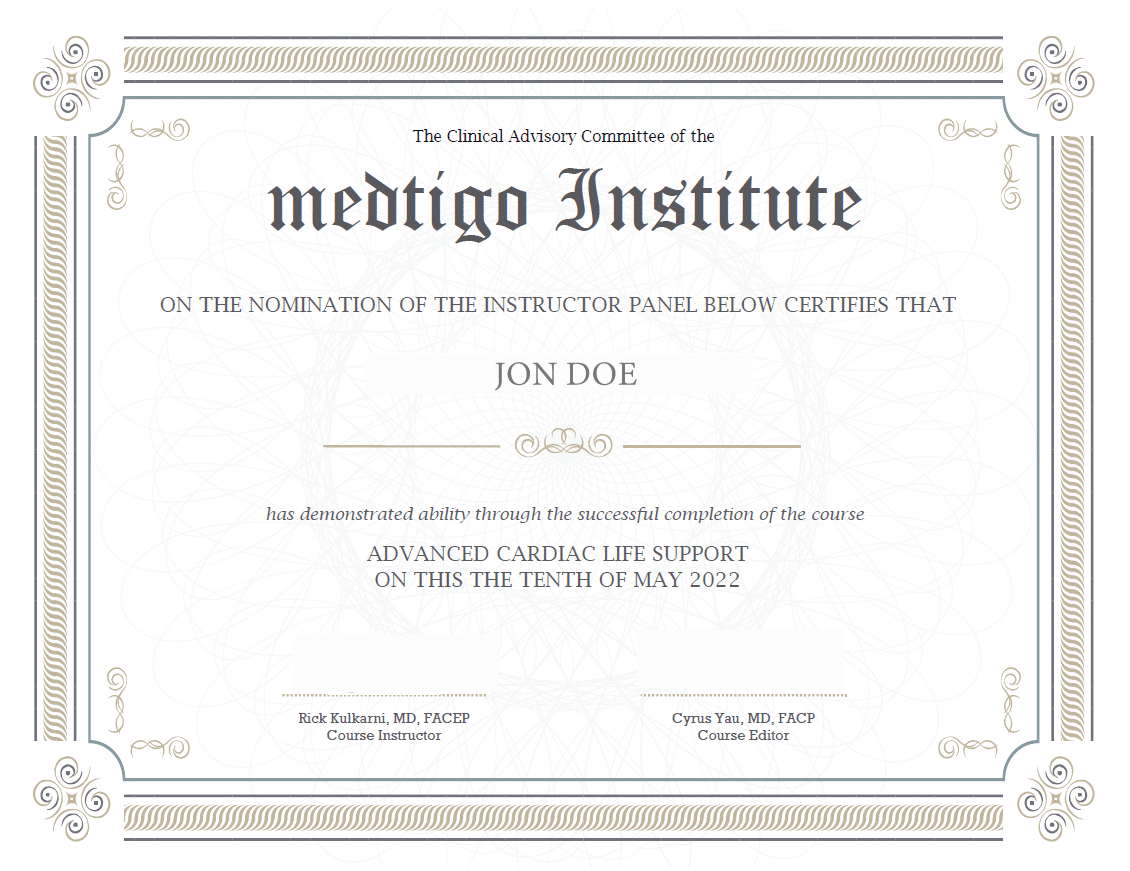
On course completion, you will receive a full-sized presentation quality digital certificate.

When you have your licenses, certificates and CMEs in one place, it's easier to track your career growth. You can easily share these with hospitals as well, using your medtigo app.