High Pay, Uneven Distribution: Understanding Doctors’ Earnings in Austria
April 8, 2026




Brand Name :
Colestid
Synonyms :
colestipol
Class :
Bile Acid Sequestrants


Brand Name :
Colestid
Synonyms :
colestipol
Class :
Bile Acid Sequestrants
Dosage forms & Strengths:
Adult:
Granules in bottle
5 gm
Granules in packet
5 gm
Tablet
1 gm
Safety and efficacy are not seen in pediatrics
Granules in bottle
5 gm
Granules in packet
5 gm
Tablet
1 gm
Actions and Spectrum:
colestipol works by binding to bile acids in the intestine, which prevents them from being reabsorbed into the body. Bile acids are produced by the liver and stored in the gallbladder, where they are released into the small intestine to aid in the digestion of fats. By binding to bile acids, colestipol reduces the amount of cholesterol that is reabsorbed into the bloodstream, which can help lower cholesterol levels.
>10%:
1-10%:
Belching
Flatulence
Diarrhea
Nausea/vomiting
Fatigue
Dizziness
Vertigo
Anxiety
Drowsiness
Black Box Warning:
It is essential to follow the dosage and administration instructions for the medication carefully.
Contraindication/Caution:
colestipol should not be used in people hypersensitive to the drug itself.
Pregnancy consideration:
Category C
Breastfeeding warnings:
Use the drug with caution during breastfeeding. As it may interact with the absorption of vitamins in infants.
Pregnancy category:
Pharmacology
colestipol works by binding to bile acids in the small intestine, forming a complex that is too large to be reabsorbed. This complex is then eliminated in the feces. Bile acids are synthesized in the liver from cholesterol and are necessary for the digestion of fats. colestipol’s binding to bile acids leads to an increased conversion of cholesterol to bile acids by the liver and a decrease in the amount of cholesterol available for reabsorption in the gut. This results in a decrease in the overall cholesterol levels in the body.
Pharmacodynamics:
colestipol pharmacodynamics involves binding to bile acids in the small intestine, forming a complex that is eliminated in the feces. Pharmacokinetics:
Pharmacokinetics is the study of how a drug is absorbed, distributed, metabolized, and eliminated by the body. The pharmacokinetics of colestipol can be described by the following parameters:
Absorption
Not absorbed, just stays in the GIT
Distribution
Not distributed into the bloodstream
Metabolism
Not metabolized
Elimination and excretion
The drug is excreted 100% in feces
Administration:
colestipol is taken orally.
The granules can be mixed with food or fluids.
Do not crush or chew the tablet.
Take one tablet at a time, with fluids or water.
Patient information leaflet
Generic Name: colestipol
Pronounced: koe-LES-ti-pol
Why do we use colestipol?
colestipol is used to treat hyperlipidemia.
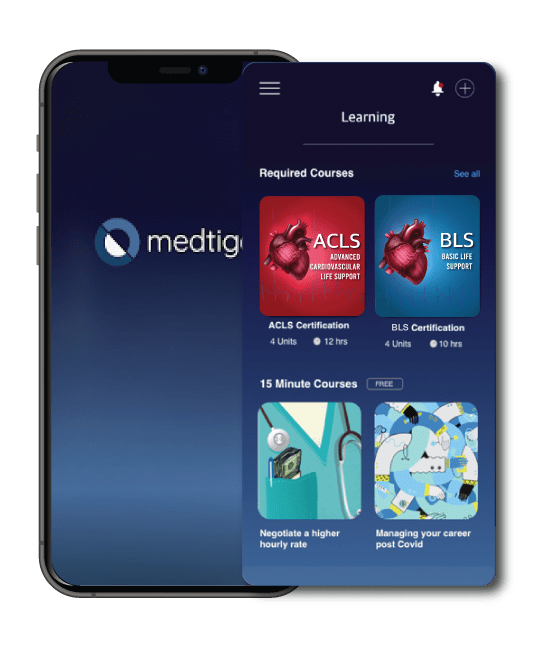
Both our subscription plans include Free CME/CPD AMA PRA Category 1 credits.
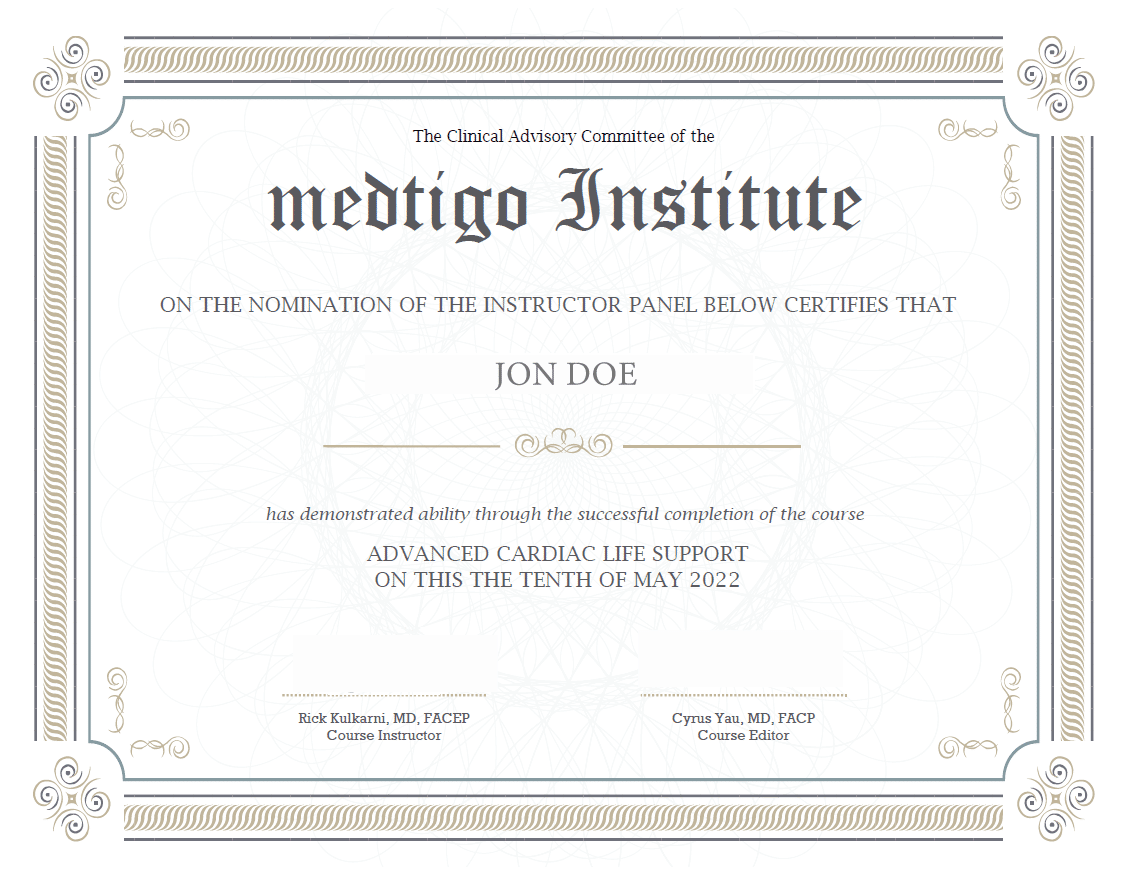
On course completion, you will receive a full-sized presentation quality digital certificate.
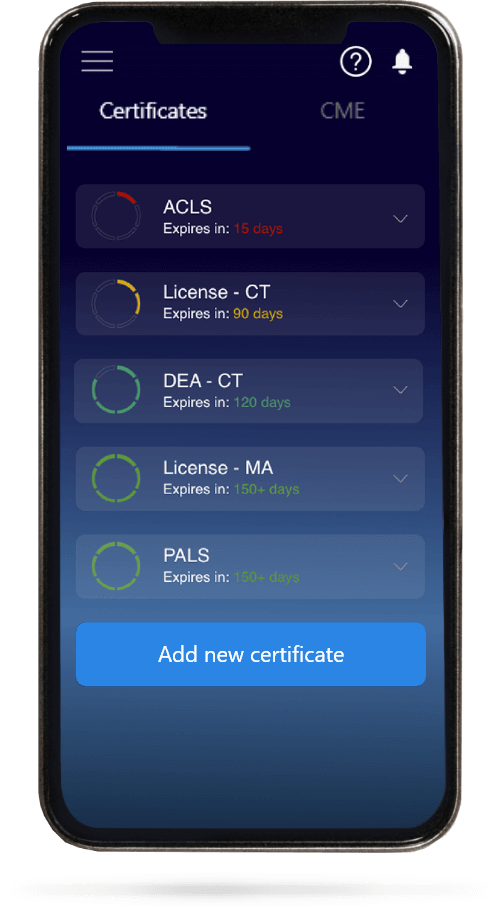
When you have your licenses, certificates and CMEs in one place, it's easier to track your career growth. You can easily share these with hospitals as well, using your medtigo app.