Hidden Risks of Exosome Injections in Pain Management
April 8, 2026




Brand Name :
concizumab-mtci, Alhemo
Synonyms :
Concizumab
Class :
TFPI Neutralizing Antibodies



Brand Name :
concizumab-mtci, Alhemo
Synonyms :
Concizumab
Class :
TFPI Neutralizing Antibodies
Dosage forms and strengths
SC injection (Solution)
Prefilled pen (Single-patient)
100 mg/ml (300 mg/3 ml)
100 mg/ml (150 mg/1.5 ml)
40 mg/ml (60 mg /1.5 ml)
Hemophilia A
Day first
The recommended loading dose is 1 mg/kg subcutaneously
Day second
The recommended dose is 0.2 mg/kg subcutaneously one time in a day followed for four weeks duration
Assess concizumab plasma concentration using enzyme-linked immunosorbent assay (ELISA) prior to the next scheduled dose
For the maintenance dose
Maintenance dose
Begin maintenance after obtaining the concizumab plasma concentration result, ensuring this occurs no later than 8 weeks from the initiation of therapy.
For plasma concentrations less than 200 (ng/mL): Increase the dose to 0.25 (mg/kg) administered subcutaneously one time a day
For plasma concentrations between 200 and 4000 ng/mL: Maintain the current dose of 0.2 mg/kg subcutaneously one time a day
For plasma concentrations exceeding 4000 ng/mL: Reduce the dose to 0.15 mg/kg administered subcutaneously one time a day
Hemophilia-B
Day first
The recommended loading dose is 1 mg/kg subcutaneously
Day second
The recommended dose is 0.2 mg/kg subcutaneously one time in a day followed for four weeks duration
Assess concizumab plasma concentration using enzyme-linked immunosorbent assay (ELISA) prior to the next scheduled dose
For the maintenance dose
Maintenance dose
Begin maintenance after obtaining the concizumab plasma concentration result, ensuring this occurs no later than 8 weeks from the initiation of therapy.
For plasma concentrations less than 200 (ng/mL): Increase the dose to 0.25 (mg/kg) administered subcutaneously one time a day
For plasma concentrations between 200 and 4000 ng/mL: Maintain the current dose of 0.2 mg/kg subcutaneously one time a day
For plasma concentrations exceeding 4000 ng/mL: Reduce the dose to 0.15 mg/kg administered subcutaneously one time a day
Day first
The recommended loading dose is 1 mg/kg subcutaneously
Day second
The recommended dose is 0.2 mg/kg subcutaneously one time in a day followed for four weeks duration
Assess concizumab plasma concentration using enzyme-linked immunosorbent assay (ELISA) prior to the next scheduled dose
Maintenance dose
Begin maintenance after obtaining the concizumab plasma concentration result, ensuring this occurs no later than 8 weeks from the initiation of therapy.
For plasma concentrations less than 200 (ng/mL): Increase the dose to 0.25 (mg/kg) administered subcutaneously one time a day
For plasma concentrations between 200 and 4000 ng/mL: Maintain the current dose of 0.2 mg/kg subcutaneously one time a day
For plasma concentrations exceeding 4000 ng/mL: Reduce the dose to 0.15 mg/kg administered subcutaneously one time a day
Hemophilia B (Factor IX Deficiency)
Day first
The recommended loading dose is 1 mg/kg subcutaneously
Day second
The recommended dose is 0.2 mg/kg subcutaneously one time in a day followed for four weeks duration
Assess concizumab plasma concentration using enzyme-linked immunosorbent assay (ELISA) prior to the next scheduled dose
Maintenance dose
Begin maintenance after obtaining the concizumab plasma concentration result, ensuring this occurs no later than 8 weeks from the initiation of therapy.
For plasma concentrations less than 200 (ng/mL): Increase the dose to 0.25 (mg/kg) administered subcutaneously one time a day
For plasma concentrations between 200 and 4000 ng/mL: Maintain the current dose of 0.2 mg/kg subcutaneously one time a day
For plasma concentrations exceeding 4000 ng/mL: Reduce the dose to 0.15 mg/kg administered subcutaneously one time a day
Dosage forms and strengths
Sc injection (Solution)
Prefilled pen-single use)
100 mg/ml (300 mg/3ml)
100 mg/ml (150 mg/1.5 ml)
40 mg/ml (60 mg/1.5 ml)
Hemophilia A
Approved for routine prophylaxis in pediatric patients aged 12 years and older to prevent or reduce the frequency of bleeding episodes associated with hemophilia A (congenital factor VIII deficiency) in the presence of factor VIII inhibitors
Day first
The recommended loading dose is 1 mg/kg subcutaneously
Day second
The recommended dose is 0.2 mg/kg subcutaneously one time in a day followed for four weeks duration
Assess concizumab plasma concentration using enzyme-linked immunosorbent assay (ELISA) prior to the next scheduled dose
For the maintenance dose
Maintenance dose
Begin maintenance after obtaining the concizumab plasma concentration result, ensuring this occurs no later than 8 weeks from the initiation of therapy.
For plasma concentrations less than 200 (ng/mL): Increase the dose to 0.25 (mg/kg) administered subcutaneously one time a day
For plasma concentrations between 200 and 4000 ng/mL: Maintain the current dose of 0.2 mg/kg subcutaneously one time a day
For plasma concentrations exceeding 4000 ng/mL: Reduce the dose to 0.15 mg/kg administered subcutaneously one time a day
Hemophilia-B
Approved for routine prophylaxis in pediatric patients aged 12 years and older to prevent or reduce the frequency of bleeding episodes associated with hemophilia A (congenital factor VIII deficiency) in the presence of factor VIII inhibitors
Day first
The recommended loading dose is 1 mg/kg subcutaneously
Day second
The recommended dose is 0.2 mg/kg subcutaneously one time in a day followed for four weeks duration
Assess concizumab plasma concentration using enzyme-linked immunosorbent assay (ELISA) prior to the next scheduled dose
For the maintenance dose
Maintenance dose
Begin maintenance after obtaining the concizumab plasma concentration result, ensuring this occurs no later than 8 weeks from the initiation of therapy.
For plasma concentrations less than 200 (ng/mL): Increase the dose to 0.25 (mg/kg) administered subcutaneously one time a day
For plasma concentrations between 200 and 4000 ng/mL: Maintain the current dose of 0.2 mg/kg subcutaneously one time a day
For plasma concentrations exceeding 4000 ng/mL: Reduce the dose to 0.15 mg/kg administered subcutaneously one time a day
Action:
Concizumab binds to TFPI, which is a key regulator of the tissue factor (TF)-mediated coagulation pathway. TFPI inhibits the initiation of blood coagulation by limiting the activity of the factor VIIa-tissue factor complex and factor Xa.
By inhibiting TFPI, concizumab enhances thrombin generation, promoting clot formation in situations where coagulation is impaired, such as in hemophilia.
Spectrum:
Hemophilia A and B:
Used for patients with or without inhibitors to standard clotting factors.
Offers a non-factor-based prophylactic treatment option, reducing reliance on replacement therapies.
Other Bleeding Disorders:
Potential applications for rare bleeding conditions or acquired disorders where TFPI inhibition may help improve clotting.
Frequency not defined
Pyrexia
Urinary tract infection
Itching
Nausea
Decreased appetite
Fatigue
Headache
Injection site reactions
Black box warning:
None
Contraindications/caution:
Contraindication:
Hypersensitivity to Concizumab or its components
Active Bleeding or Severe Bleeding Risk
Severe Renal Impairment
Caution:
Risk of Thrombosis
Monitoring of Coagulation Parameters
Pregnancy and Breastfeeding
Pregnancy Warnings:
Pregnancy category: N/A
Lactation: Excretion of the drug into the human breast milk is unknown
Pregnancy categories:
Category A: Satisfactory and well-controlled studies show no evidence of risk to the fetus in the first trimester or in the later trimester.
Category B: No evidence of risk to fetus found in animal reproduction studies and there are not enough studies on pregnant women.
Category C: Adverse effects on the fetus found with evidence in animal reproduction studies and no adequate evidence for an effect in humans, care must be taken for potential risks in pregnant women.
Category D: There is adequate data available with sufficient evidence of human fetal risk from various platforms, but despite potential risks may be used only in emergency cases for potential benefits.
Category X: Drugs listed in this category clearly outweigh risks over benefits. These category drugs should be prohibited for pregnant women.
Category N: There is no data available for the drug under this category.
Pharmacology
Concizumab is a humanized monoclonal antibody that inhibits tissue factor pathway inhibitor (TFPI), which is a natural inhibitor of the tissue factor (TF)-mediated coagulation pathway. Concizumab is being developed as a treatment for hemophilia A and B, with or without inhibitors, and other bleeding disorders. Its pharmacodynamics reflect its mechanism of action in promoting hemostasis.
Pharmacodynamics
Target Interaction:
Concizumab binds to TFPI, neutralizing its activity.
By inhibiting TFPI, concizumab restores thrombin generation and enhances clot formation in patients with hemophilia, addressing their bleeding tendency.
Effect on Coagulation:
TFPI inhibits both Factor Xa and the Factor VIIa-tissue factor complex, which are critical in the initiation of the coagulation cascade.
Concizumab reduces TFPI’s inhibitory effect, allowing the clotting cascade to proceed more effectively, leading to improved thrombin generation.
Pharmacokinetics:
Absorption
Concizumab is administered via subcutaneous injection.
It has a relatively slow absorption profile, with peak plasma concentrations generally observed within 48 to 72 hours post-injection.
Distribution
After absorption, concizumab distributes to the extracellular space, particularly in plasma.
It binds specifically to TFPI, which is primarily found in the blood and endothelial cells, affecting clotting and bleeding dynamics.
Metabolism
As a monoclonal antibody, concizumab is expected to undergo catabolism, primarily in the reticuloendothelial system (liver, spleen) and other tissues, through proteolytic degradation.
It does not undergo traditional hepatic enzyme-mediated metabolism like small molecule drugs.
Excretion and Elimination
The elimination half-life of concizumab is typically long, around 20 to 30 days, which supports its infrequent dosing schedule.
Clearance occurs mainly through proteolytic degradation, and the drug’s elimination is independent of hepatic or renal function.
Administration
Concizumab is typically administered via subcutaneous injection (under the skin), and the frequency of administration can vary based on clinical trial protocols or individual treatment plans. The exact dosage and frequency are determined by the treating healthcare provider, often starting with a lower dose and adjusting based on the patient’s response.
Patient information leaflet
Generic Name: concizumab
Why do we use concizumab?
Concizumab is being studied as a potential treatment for individuals with hemophilia, a genetic disorder that impairs the blood’s ability to clot. It is considered especially useful for patients who have developed inhibitors to standard clotting factor replacement therapies.
In people with hemophilia who develop inhibitors (antibodies that neutralize clotting factors), concizumab may provide an alternative to standard treatment options like bypassing agents, offering a more convenient and potentially more effective therapy.
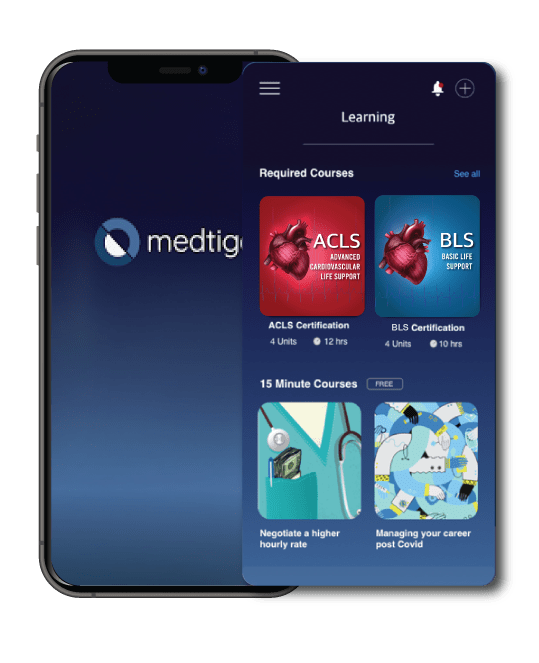
Both our subscription plans include Free CME/CPD AMA PRA Category 1 credits.
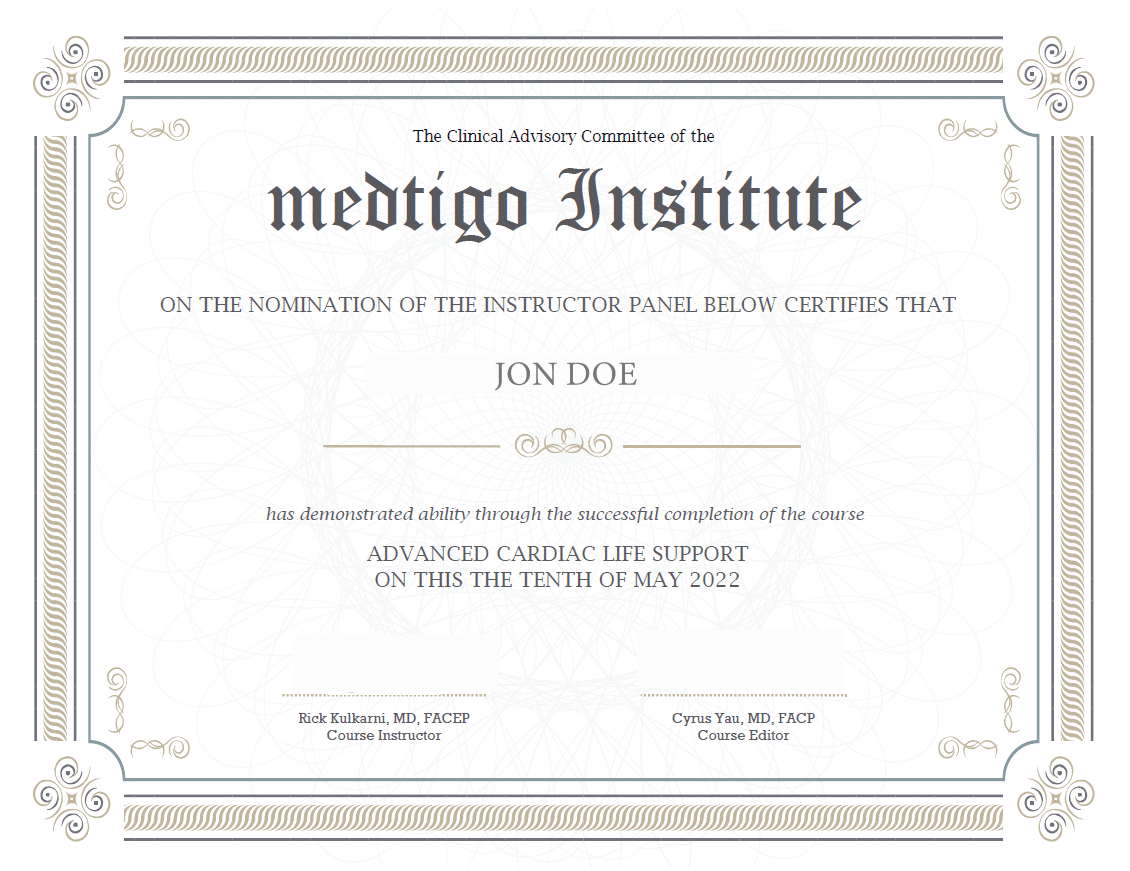
On course completion, you will receive a full-sized presentation quality digital certificate.
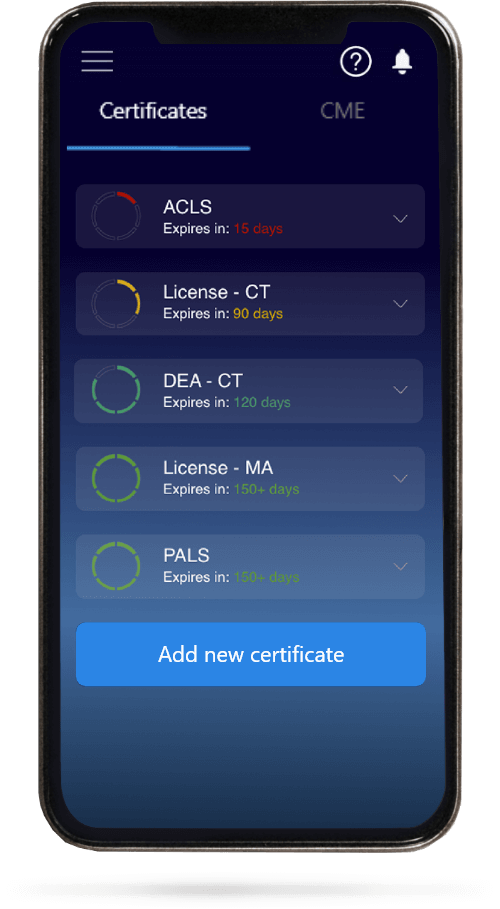
When you have your licenses, certificates and CMEs in one place, it's easier to track your career growth. You can easily share these with hospitals as well, using your medtigo app.