Inside U.S. Medical Regulation: A Complete Guide to the System
April 9, 2026




Brand Name :
CRYO
Synonyms :
cryoprecipitate
Class :
Blood components




Brand Name :
CRYO
Synonyms :
cryoprecipitate
Class :
Blood components
Actions and Spectrum:
The action of cryoprecipitate is to provide the deficient clotting factors to the patient, which can help to control bleeding. Specifically, cryoprecipitate contains high levels of von Willebrand factor, fibrinogen, and Factor VIII, all of which are essential for blood clotting. Therefore, cryoprecipitate is often used in the treatment of patients with von Willebrand disease, hemophilia A, and hypofibrinogenemia.
The spectrum of cryoprecipitate is limited to the clotting factors and other proteins that are present in the plasma from which it is derived. cryoprecipitate does not contain red blood cells, white blood cells, or platelets. Therefore, it is not used to treat anemia or thrombocytopenia. Cryoprecipitate is also not effective for the treatment of bleeding disorders that are caused by deficiencies in other clotting factors, such as Factors II, V, VII, IX, X, XI, or XIII.
Frequency not defined
Circulatory overload
anaphylaxis
Transfusion associated graft versus host
Disease
Febrile non-hemolytic reactions
Transfusion Related Acute Lung Injury (TRALI)
Hemolytic transfusion reactions
Allergic reactions ranging from urticaria to
Septic reactions
Post-transfusion purpura
Contraindication/Caution:
Patients with a history of allergic reactions to blood products or any of the components of cryoprecipitate, such as fibrinogen, factor VIII, factor XIII, or von Willebrand factor.
Patients with a history of thromboembolic events, such as deep vein thrombosis (DVT), pulmonary embolism (PE), or stroke, as cryoprecipitate can increase the risk of blood clots.
Patients with an active bleeding disorder caused by a low platelet count (thrombocytopenia), as cryoprecipitate does not contain platelets.
Patients with hemophilia A or B who have developed inhibitors (antibodies) to factor VIII or IX, respectively, as cryoprecipitate may not be effective in these cases.
Patients with disseminated intravascular coagulation (DIC), a condition in which the body’s clotting mechanisms are overactive, as cryoprecipitate may exacerbate this condition.
Patients with a history of hepatitis B or C, as cryoprecipitate can transmit these viruses.
Patients with a history of Creutzfeldt-Jakob disease (CJD) or variant CJD, as cryoprecipitate may transmit prions that cause these diseases.
Pregnancy warnings:
Pregnancy category: N/A
Lactation: Excreted into human milk is unknown
Pregnancy Categories:
Category A: Studies that were well-controlled and met expectations revealed no risk to the fetus in either the first or second trimester.
Category B: There were a lack of studies on pregnant women and no evidence of risk to the fetus in animal experiments.
Category C: there was evidence of risk of adverse effects in animal reproduction studies, and no adequate evidence in human studies must take care of potential risks in pregnant women.
Category D: adequate data with sufficient evidence of human fetal risk from various platforms, but despite the potential risk, and used only in emergency cases for potential benefits.
Category X: Drugs listed in this category outweigh the risks over benefits. Hence these categories of drugs need to be avoided by pregnant women.
Category N: There is no data available for the drug under this category
Pharmacology:
cryoprecipitate is a blood product that is derived from plasma and contains concentrated levels of specific clotting factors. It is primarily used to treat bleeding disorders caused by deficiencies in these clotting factors.
Pharmacodynamics:
The pharmacodynamics of cryoprecipitate can be described as its effects on the coagulation system in the body. When cryoprecipitate is administered, the clotting factors it contains help to initiate and maintain the clotting process. Fibrinogen is converted to fibrin, which forms the framework of a blood clot, while von Willebrand factor and factor VIII work together to activate other clotting factors and promote clot formation.
MOA:
cryoprecipitate contains a variety of coagulation factors, including fibrinogen, Factor VIII, Factor XIII, von Willebrand factor, and fibronectin. When administered, these clotting factors work together to promote the formation of clots and prevent bleeding.
Pharmacokinetics:
Absorption
cryoprecipitate is not absorbed orally because it is an intravenous medication that is given directly into the bloodstream.
Distribution
Once cryoprecipitate is infused into the bloodstream, its components are distributed throughout the body, including the liver and spleen, where the clotting factors are synthesized and stored.
Metabolism
cryoprecipitate’s components, such as fibrinogen and von Willebrand factor, are metabolized by the liver and other organs. The exact metabolic pathways depend on the specific factor and the individual patient’s metabolism.
Elimination and Excretion
cryoprecipitate’s components are eliminated from the body through urine and feces, but the elimination rate and process depend on the specific factor and the individual patient’s excretory system.
Administration:
Administration: The healthcare provider should administer the cryoprecipitate slowly, over a period of 10-15 minutes, to reduce the risk of adverse reactions. They should monitor the patient closely for any signs of an allergic reaction or other adverse events.
Patient information leaflet
Generic Name: cryoprecipitate
Why do we use cryoprecipitate?
cryoprecipitate is a blood product that is used to treat patients with low levels of clotting factors, particularly fibrinogen. It is derived from the frozen plasma of blood donors and contains a high concentration of clotting factors, including fibrinogen, factor VIII, von Willebrand factor, and factor XIII.
cryoprecipitate is used to treat bleeding disorders caused by low levels of fibrinogen, such as in patients with congenital fibrinogen deficiency or acquired hypofibrinogenemia.
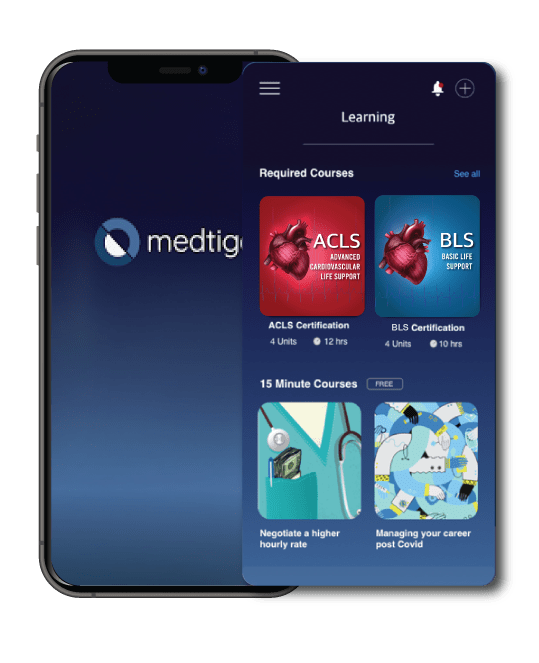
Both our subscription plans include Free CME/CPD AMA PRA Category 1 credits.
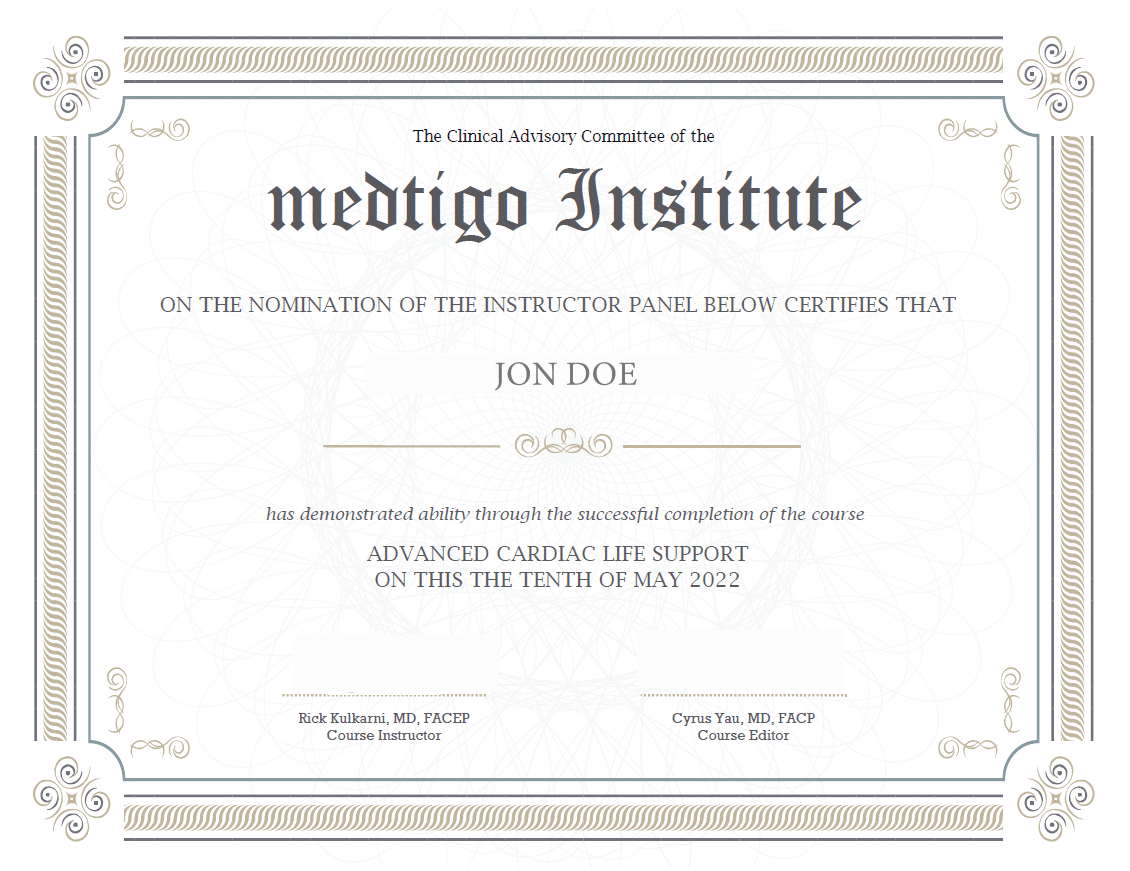
On course completion, you will receive a full-sized presentation quality digital certificate.
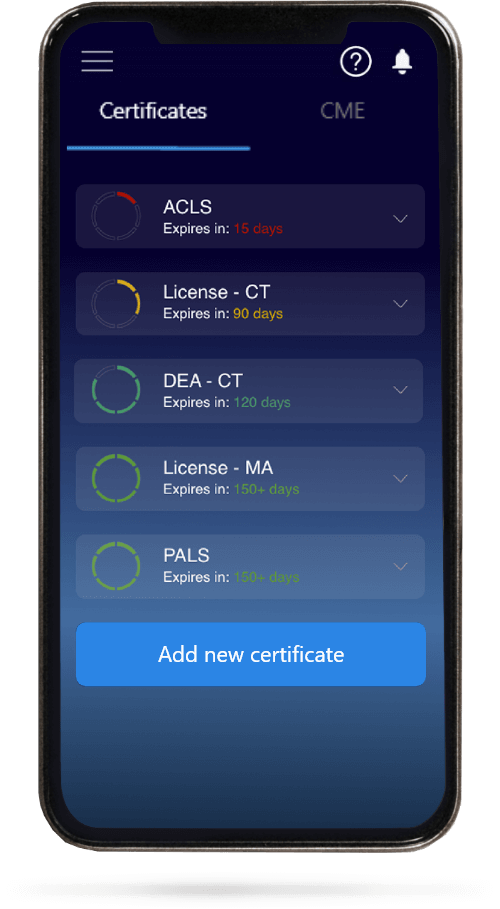
When you have your licenses, certificates and CMEs in one place, it's easier to track your career growth. You can easily share these with hospitals as well, using your medtigo app.