Hidden Risks of Exosome Injections in Pain Management
April 8, 2026




Brand Name :
10% dextrose injection USP
Synonyms :
Dextrosa, dextrose
Class :
Hypoglycaemia antidote



Brand Name :
10% dextrose injection USP
Synonyms :
Dextrosa, dextrose
Class :
Hypoglycaemia antidote
Dosage Forms & Strengths
IV solution
D50W
25-50g along with 10 units of regular insulin intravenously for 30-60min
Dosage Forms & Strengths
IV solution
D50W
Refer adult dosing
Mechanism of action
dextrose is a source of calories and fluid for patients who cannot obtain adequate oral intake. It is often administered as a dextrose-containing intravenous (IV) solution, such as D5W (dextrose 5% in water), to provide energy and hydration to patients unable to take in adequate amounts of food or fluids by mouth.
It is also a substrate to produce ATP, the primary energy currency of the cell, during aerobic metabolism. When glucose is metabolized through cellular respiration, it is broken down to release energy used by the cell to carry out its various functions. Additionally, dextrose promotes glycogen deposition in the liver.
Spectrum
The spectrum of dextrose refers to the range of different dextrose forms and concentrations used in various applications.
Frequency undefined:
Hypokalemia
Hypovolemia
Fever
Unconsciousness
Glycosuria
Phlebitis
Metabolic acidosis
Polydipsia
Pulmonary edema
Edema
Dehydration
Mental confusion
Ketonuria
Polyuria
venous thrombosis
diarrhea
vein irritation
Contraindications
Caution
Pregnancy consideration: Insufficient data available
Lactation: Excretion of the drug in human breast milk is unknown
Pregnancy category:
Category A: well-controlled and Satisfactory studies show no risk to the fetus in the first or later trimester.
Category B: there was no evidence of risk to the fetus in animal studies, and there were not enough studies on pregnant women.
Category C: there was evidence of risk of adverse effects in animal reproduction studies, and no adequate evidence in human studies must take care of potential risks in pregnant women.
Category D: adequate data available with sufficient evidence of human fetal risk from various platforms, but despite the potential risk, and used only in emergency cases for potential benefits.
Category X: Drugs listed in this category outweigh the risks over benefits. Hence these categories of drugs need to be avoided by pregnant women.
Category N: There is no data available for the drug under this category
Administration
It can be administered in several different ways, including:
Patient information leaflet
Generic Name: dextrose antidote
Pronounced: (deks-trohs)
Why do we use dextrose antidote?
Dextrose antidote is a form of glucose, a simple sugar that serves as an energy source for the body. It is sometimes used as an antidote to treat low blood sugar or hypoglycemia.
Some examples of the use of dextrose as an antidote include:

Both our subscription plans include Free CME/CPD AMA PRA Category 1 credits.

On course completion, you will receive a full-sized presentation quality digital certificate.
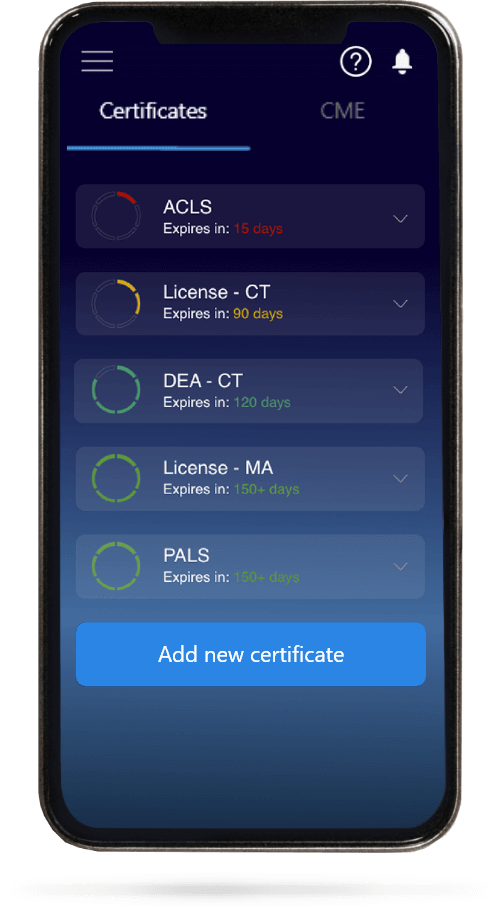
When you have your licenses, certificates and CMEs in one place, it's easier to track your career growth. You can easily share these with hospitals as well, using your medtigo app.