Action: diazepam is a benzodiazepine medication primarily used for its sedative, anxiolytic (anxiety-reducing), muscle relaxant, and anticonvulsant properties. It acts on the central nervous system by enhancing the effects of GABA, a neurotransmitter that inhibits brain activity.
Spectrum: diazepam is not an antibiotic, so it does not have a spectrum of activity against bacteria or other pathogens. Instead, it is used to treat conditions such as anxiety disorders, panic attacks, muscle spasms, insomnia, and as an adjunct in the management of seizures.
Action: propranolol is a beta-blocker medication that primarily acts by blocking the effects of adrenaline and other stress hormones on heart and blood vessels. It reduces heart rate, blood pressure, and the force of heart contractions, thereby decreasing the workload on the heart and reducing its oxygen demand.
Spectrum: propranolol is not an antibiotic either, so it does not have a spectrum of activity against infectious agents. It primarily affects the cardiovascular system and is used for conditions related to heart and blood pressure regulation.
DRUG INTERACTION
diazepam and propranolol
&
diazepam and propranolol +
No drug interaction found for diazepam and propranolol and .
There are no specific black box warnings associated with diazepam and propranolol.
Contraindication/Caution:
Contraindication:
Allergy or Hypersensitivity: Contraindicated in individuals with a known hypersensitivity or allergy to diazepam or other benzodiazepines.
Sleep Apnea: diazepam should be used cautiously in individuals with sleep apnea, as it can worsen this condition.
Acute Narrow-Angle Glaucoma: Contraindicated in individuals with acute narrow-angle glaucoma, a condition characterized by increased intraocular pressure.
Myasthenia Gravis: diazepam should be used with caution in individuals with myasthenia gravis, as it can exacerbate muscle weakness.
Pregnancy and Breastfeeding: diazepam is not recommended during pregnancy or breastfeeding, especially in the first trimester. Its use during late pregnancy can lead to neonatal withdrawal syndrome in the newborn.
Caution:
Central Nervous System Depression: diazepam can cause drowsiness, sedation, and impaired coordination. Caution is needed when driving, operating machinery, or engaging in activities that require alertness.
Elderly Patients: Elderly individuals may be more sensitive to the effects of diazepam, such as sedation and dizziness. Lower doses may be required.
Liver Impairment: In individuals with liver impairment, diazepam’s metabolism may be altered, potentially leading to increased blood levels of the drug. Dose adjustments may be necessary.
Kidney Impairment: Individuals with kidney impairment may experience slower elimination of diazepam, which can lead to prolonged effects. Adjustments in dosage may be required.
Peripheral Vascular Disease: In individuals with peripheral vascular disease, propranolol can worsen symptoms by reducing blood flow to the extremities. Caution is needed, and alternative treatments may be considered.
Thyroid Disorders: propranolol may affect thyroid function tests. Special considerations and monitoring are necessary in individuals with thyroid disorders.
Comorbidities:
Depression and Anxiety: diazepam is used to treat anxiety disorders, but it should be used cautiously in individuals with coexisting depression. It may exacerbate depressive symptoms or contribute to mood changes.
Respiratory Conditions: diazepam can cause respiratory depression, making it a concern for individuals with pre-existing respiratory conditions such as COPD or sleep apnea. Dose adjustments may be necessary.
Diabetes: propranolol can mask some symptoms of low blood sugar (hypoglycemia), such as rapid heartbeat and tremors. Individuals with diabetes should closely monitor their blood sugar levels.
Asthma and Respiratory Conditions: propranolol can cause bronchospasms and worsen symptoms in individuals with asthma or other bronchospastic conditions. It is recommended to use cardioselective beta-blockers in individuals with asthma, rather than non-selective ones like propranolol.
Pregnancy consideration:
pregnancy category: not assigned
Lactation: excreted into human milk: unknown
Pregnancy category:
Category A: well-controlled and Satisfactory studies show no risk to the fetus in the first or later trimester.
Category B: there was no evidence of risk to the fetus in animal studies, and there were not enough studies on pregnant women.
Category C: there was evidence of risk of adverse effects in animal reproduction studies, and no adequate evidence in human studies must take care of potential risks in pregnant women.
Category D: adequate data with sufficient evidence of human fetal risk from various platforms, but despite the potential risk, and used only in emergency cases for potential benefits.
Category X: Drugs listed in this category outweigh the risks over benefits. Hence these categories of drugs need to be avoided by pregnant women.
Category N: There is no data available for the drug under this category.
Pharmacology:
diazepam is a benzodiazepine medication that exerts its pharmacological effects by enhancing the inhibitory actions of gamma-aminobutyric acid, a neurotransmitter in central nervous system. By binding to GABA receptors, diazepam increases the flow of chloride ions into neurons, leading to neuronal hyperpolarization and reduced excitability.
propranolol, on the other hand, is a non-selective beta-blocker that primarily acts by blocking the effects of adrenaline on beta-adrenergic receptors in the heart and blood vessels. This action reduces heart rate, myocardial contractility, and blood pressure, resulting in decreased cardiac workload and oxygen demand.
Pharmacodynamics:
Sedation: diazepam produces a calming and sedative effect on the central nervous system, which can alleviate anxiety and induce relaxation.
Anxiolysis: By enhancing GABA’s inhibitory actions, diazepam reduces anxiety and promotes a sense of calm.
Muscle Relaxation: diazepam’s muscle relaxant properties make it useful in treating muscle spasms and tension.
Anticonvulsant: It can help control seizures by dampening excessive neuronal activity.
Cardiovascular Effects: propranolol reduces heart rate, decreases the force of heart contractions, and dilates blood vessels, leading to a decrease in blood pressure.
Antiarrhythmic: By slowing electrical conduction in the heart and reducing myocardial oxygen demand, propranolol is used to treat arrhythmias.
Antihypertensive: Its blood pressure-lowering effects make it effective in managing hypertension.
Pharmacokinetics:
diazepam:
Absorption: diazepam is well-absorbed when taken orally, with peak blood concentrations occurring within 1-2 hours. The rate and extent of absorption can be affected by food, with slower absorption when taken with a meal.
Distribution: diazepam has a high lipophilicity, allowing it to distribute widely throughout the body, including the central nervous system (CNS). It has a large volume of distribution, meaning it can penetrate tissues and cross the blood-brain barrier, contributing to its sedative effects.
Metabolism: diazepam undergoes hepatic metabolism, primarily in the liver, where it is transformed into active metabolites. The most important metabolite is desmethyldiazepam, which has its own pharmacological activity. Both diazepam and its metabolites are conjugated with glucuronic acid to facilitate excretion.
Excretion: diazepam and its metabolites are primarily excreted in the urine. A small portion may be eliminated in the feces. The drug’s elimination half-life is long, which can contribute to its prolonged effects.
propranolol:
Absorption: propranolol is well-absorbed from the gastrointestinal tract when taken orally. The rate and extent of absorption is influenced by factors such as food and the specific formulation. Extended-release formulations provide a more gradual and sustained release of the drug.
Distribution: propranolol is distributed widely throughout the body, including the heart, liver, lungs, and CNS. It crosses the blood-brain barrier, allowing it to exert its effects on the central nervous system.
Metabolism: propranolol undergoes extensive hepatic metabolism in the liver. The primary enzyme responsible for its metabolism is cytochrome P450 2D6 (CYP2D6). The metabolites formed may vary among individuals. Some metabolites are pharmacologically active.
Excretion: propranolol and its metabolites are primarily excreted in the urine, with a small portion eliminated in the feces. The drug’s elimination half-life can vary among individuals but is in the range of 3 to 6 hours.
Administration:
Oral Tablets/Capsules: diazepam and propranolol are available in oral tablet or capsule forms. These are typically taken by mouth with a full glass of water. The dosage and dosing frequency will depend on the condition being treated.
Oral Suspension: For individuals who have difficulty swallowing tablets or capsules, diazepam and propranolol may be available as an oral suspension.
Intravenous (IV) Injection: diazepam and propranolol can also be administered intravenously in a healthcare setting by a healthcare professional. This is typically reserved for situations where rapid control of seizures or acute anxiety is necessary.
Patient information leaflet
Generic Name: diazepam and propranolol
Pronounced: (dye-AZ-uh-pam-and- pro-PRAN-oh-lol)
Why do we use diazepam and propranolol?
The combination of diazepam and propranolol is not a common or standard therapeutic combination. diazepam is a benzodiazepine used primarily to treat anxiety disorders, muscle spasms, and as an adjunctive treatment for seizures. propranolol, on the other hand, is a beta-blocker used to manage conditions like high blood pressure, heart rhythm disorders, and migraines.
Action: diazepam is a benzodiazepine medication primarily used for its sedative, anxiolytic (anxiety-reducing), muscle relaxant, and anticonvulsant properties. It acts on the central nervous system by enhancing the effects of GABA, a neurotransmitter that inhibits brain activity.
Spectrum: diazepam is not an antibiotic, so it does not have a spectrum of activity against bacteria or other pathogens. Instead, it is used to treat conditions such as anxiety disorders, panic attacks, muscle spasms, insomnia, and as an adjunct in the management of seizures.
Action: propranolol is a beta-blocker medication that primarily acts by blocking the effects of adrenaline and other stress hormones on heart and blood vessels. It reduces heart rate, blood pressure, and the force of heart contractions, thereby decreasing the workload on the heart and reducing its oxygen demand.
Spectrum: propranolol is not an antibiotic either, so it does not have a spectrum of activity against infectious agents. It primarily affects the cardiovascular system and is used for conditions related to heart and blood pressure regulation.
There are no specific black box warnings associated with diazepam and propranolol.
Contraindication/Caution:
Contraindication:
Allergy or Hypersensitivity: Contraindicated in individuals with a known hypersensitivity or allergy to diazepam or other benzodiazepines.
Sleep Apnea: diazepam should be used cautiously in individuals with sleep apnea, as it can worsen this condition.
Acute Narrow-Angle Glaucoma: Contraindicated in individuals with acute narrow-angle glaucoma, a condition characterized by increased intraocular pressure.
Myasthenia Gravis: diazepam should be used with caution in individuals with myasthenia gravis, as it can exacerbate muscle weakness.
Pregnancy and Breastfeeding: diazepam is not recommended during pregnancy or breastfeeding, especially in the first trimester. Its use during late pregnancy can lead to neonatal withdrawal syndrome in the newborn.
Caution:
Central Nervous System Depression: diazepam can cause drowsiness, sedation, and impaired coordination. Caution is needed when driving, operating machinery, or engaging in activities that require alertness.
Elderly Patients: Elderly individuals may be more sensitive to the effects of diazepam, such as sedation and dizziness. Lower doses may be required.
Liver Impairment: In individuals with liver impairment, diazepam’s metabolism may be altered, potentially leading to increased blood levels of the drug. Dose adjustments may be necessary.
Kidney Impairment: Individuals with kidney impairment may experience slower elimination of diazepam, which can lead to prolonged effects. Adjustments in dosage may be required.
Peripheral Vascular Disease: In individuals with peripheral vascular disease, propranolol can worsen symptoms by reducing blood flow to the extremities. Caution is needed, and alternative treatments may be considered.
Thyroid Disorders: propranolol may affect thyroid function tests. Special considerations and monitoring are necessary in individuals with thyroid disorders.
Comorbidities:
Depression and Anxiety: diazepam is used to treat anxiety disorders, but it should be used cautiously in individuals with coexisting depression. It may exacerbate depressive symptoms or contribute to mood changes.
Respiratory Conditions: diazepam can cause respiratory depression, making it a concern for individuals with pre-existing respiratory conditions such as COPD or sleep apnea. Dose adjustments may be necessary.
Diabetes: propranolol can mask some symptoms of low blood sugar (hypoglycemia), such as rapid heartbeat and tremors. Individuals with diabetes should closely monitor their blood sugar levels.
Asthma and Respiratory Conditions: propranolol can cause bronchospasms and worsen symptoms in individuals with asthma or other bronchospastic conditions. It is recommended to use cardioselective beta-blockers in individuals with asthma, rather than non-selective ones like propranolol.
Pregnancy consideration:
pregnancy category: not assigned
Lactation: excreted into human milk: unknown
Pregnancy category:
Category A: well-controlled and Satisfactory studies show no risk to the fetus in the first or later trimester.
Category B: there was no evidence of risk to the fetus in animal studies, and there were not enough studies on pregnant women.
Category C: there was evidence of risk of adverse effects in animal reproduction studies, and no adequate evidence in human studies must take care of potential risks in pregnant women.
Category D: adequate data with sufficient evidence of human fetal risk from various platforms, but despite the potential risk, and used only in emergency cases for potential benefits.
Category X: Drugs listed in this category outweigh the risks over benefits. Hence these categories of drugs need to be avoided by pregnant women.
Category N: There is no data available for the drug under this category.
Pharmacology:
diazepam is a benzodiazepine medication that exerts its pharmacological effects by enhancing the inhibitory actions of gamma-aminobutyric acid, a neurotransmitter in central nervous system. By binding to GABA receptors, diazepam increases the flow of chloride ions into neurons, leading to neuronal hyperpolarization and reduced excitability.
propranolol, on the other hand, is a non-selective beta-blocker that primarily acts by blocking the effects of adrenaline on beta-adrenergic receptors in the heart and blood vessels. This action reduces heart rate, myocardial contractility, and blood pressure, resulting in decreased cardiac workload and oxygen demand.
Pharmacodynamics:
Sedation: diazepam produces a calming and sedative effect on the central nervous system, which can alleviate anxiety and induce relaxation.
Anxiolysis: By enhancing GABA’s inhibitory actions, diazepam reduces anxiety and promotes a sense of calm.
Muscle Relaxation: diazepam’s muscle relaxant properties make it useful in treating muscle spasms and tension.
Anticonvulsant: It can help control seizures by dampening excessive neuronal activity.
Cardiovascular Effects: propranolol reduces heart rate, decreases the force of heart contractions, and dilates blood vessels, leading to a decrease in blood pressure.
Antiarrhythmic: By slowing electrical conduction in the heart and reducing myocardial oxygen demand, propranolol is used to treat arrhythmias.
Antihypertensive: Its blood pressure-lowering effects make it effective in managing hypertension.
Pharmacokinetics:
diazepam:
Absorption: diazepam is well-absorbed when taken orally, with peak blood concentrations occurring within 1-2 hours. The rate and extent of absorption can be affected by food, with slower absorption when taken with a meal.
Distribution: diazepam has a high lipophilicity, allowing it to distribute widely throughout the body, including the central nervous system (CNS). It has a large volume of distribution, meaning it can penetrate tissues and cross the blood-brain barrier, contributing to its sedative effects.
Metabolism: diazepam undergoes hepatic metabolism, primarily in the liver, where it is transformed into active metabolites. The most important metabolite is desmethyldiazepam, which has its own pharmacological activity. Both diazepam and its metabolites are conjugated with glucuronic acid to facilitate excretion.
Excretion: diazepam and its metabolites are primarily excreted in the urine. A small portion may be eliminated in the feces. The drug’s elimination half-life is long, which can contribute to its prolonged effects.
propranolol:
Absorption: propranolol is well-absorbed from the gastrointestinal tract when taken orally. The rate and extent of absorption is influenced by factors such as food and the specific formulation. Extended-release formulations provide a more gradual and sustained release of the drug.
Distribution: propranolol is distributed widely throughout the body, including the heart, liver, lungs, and CNS. It crosses the blood-brain barrier, allowing it to exert its effects on the central nervous system.
Metabolism: propranolol undergoes extensive hepatic metabolism in the liver. The primary enzyme responsible for its metabolism is cytochrome P450 2D6 (CYP2D6). The metabolites formed may vary among individuals. Some metabolites are pharmacologically active.
Excretion: propranolol and its metabolites are primarily excreted in the urine, with a small portion eliminated in the feces. The drug’s elimination half-life can vary among individuals but is in the range of 3 to 6 hours.
Administration:
Oral Tablets/Capsules: diazepam and propranolol are available in oral tablet or capsule forms. These are typically taken by mouth with a full glass of water. The dosage and dosing frequency will depend on the condition being treated.
Oral Suspension: For individuals who have difficulty swallowing tablets or capsules, diazepam and propranolol may be available as an oral suspension.
Intravenous (IV) Injection: diazepam and propranolol can also be administered intravenously in a healthcare setting by a healthcare professional. This is typically reserved for situations where rapid control of seizures or acute anxiety is necessary.
Patient information leaflet
Generic Name: diazepam and propranolol
Pronounced: (dye-AZ-uh-pam-and- pro-PRAN-oh-lol)
Why do we use diazepam and propranolol?
The combination of diazepam and propranolol is not a common or standard therapeutic combination. diazepam is a benzodiazepine used primarily to treat anxiety disorders, muscle spasms, and as an adjunctive treatment for seizures. propranolol, on the other hand, is a beta-blocker used to manage conditions like high blood pressure, heart rhythm disorders, and migraines.
Action: diazepam is a benzodiazepine medication primarily used for its sedative, anxiolytic (anxiety-reducing), muscle relaxant, and anticonvulsant properties. It acts on the central nervous system by enhancing the effects of GABA, a neurotransmitter that inhibits brain activity.
Spectrum: diazepam is not an antibiotic, so it does not have a spectrum of activity against bacteria or other pathogens. Instead, it is used to treat conditions such as anxiety disorders, panic attacks, muscle spasms, insomnia, and as an adjunct in the management of seizures.
Action: propranolol is a beta-blocker medication that primarily acts by blocking the effects of adrenaline and other stress hormones on heart and blood vessels. It reduces heart rate, blood pressure, and the force of heart contractions, thereby decreasing the workload on the heart and reducing its oxygen demand.
Spectrum: propranolol is not an antibiotic either, so it does not have a spectrum of activity against infectious agents. It primarily affects the cardiovascular system and is used for conditions related to heart and blood pressure regulation.
There are no specific black box warnings associated with diazepam and propranolol.
Contraindication / Caution
Contraindication/Caution:
Contraindication:
Allergy or Hypersensitivity: Contraindicated in individuals with a known hypersensitivity or allergy to diazepam or other benzodiazepines.
Sleep Apnea: diazepam should be used cautiously in individuals with sleep apnea, as it can worsen this condition.
Acute Narrow-Angle Glaucoma: Contraindicated in individuals with acute narrow-angle glaucoma, a condition characterized by increased intraocular pressure.
Myasthenia Gravis: diazepam should be used with caution in individuals with myasthenia gravis, as it can exacerbate muscle weakness.
Pregnancy and Breastfeeding: diazepam is not recommended during pregnancy or breastfeeding, especially in the first trimester. Its use during late pregnancy can lead to neonatal withdrawal syndrome in the newborn.
Caution:
Central Nervous System Depression: diazepam can cause drowsiness, sedation, and impaired coordination. Caution is needed when driving, operating machinery, or engaging in activities that require alertness.
Elderly Patients: Elderly individuals may be more sensitive to the effects of diazepam, such as sedation and dizziness. Lower doses may be required.
Liver Impairment: In individuals with liver impairment, diazepam’s metabolism may be altered, potentially leading to increased blood levels of the drug. Dose adjustments may be necessary.
Kidney Impairment: Individuals with kidney impairment may experience slower elimination of diazepam, which can lead to prolonged effects. Adjustments in dosage may be required.
Peripheral Vascular Disease: In individuals with peripheral vascular disease, propranolol can worsen symptoms by reducing blood flow to the extremities. Caution is needed, and alternative treatments may be considered.
Thyroid Disorders: propranolol may affect thyroid function tests. Special considerations and monitoring are necessary in individuals with thyroid disorders.
Comorbidities:
Depression and Anxiety: diazepam is used to treat anxiety disorders, but it should be used cautiously in individuals with coexisting depression. It may exacerbate depressive symptoms or contribute to mood changes.
Respiratory Conditions: diazepam can cause respiratory depression, making it a concern for individuals with pre-existing respiratory conditions such as COPD or sleep apnea. Dose adjustments may be necessary.
Diabetes: propranolol can mask some symptoms of low blood sugar (hypoglycemia), such as rapid heartbeat and tremors. Individuals with diabetes should closely monitor their blood sugar levels.
Asthma and Respiratory Conditions: propranolol can cause bronchospasms and worsen symptoms in individuals with asthma or other bronchospastic conditions. It is recommended to use cardioselective beta-blockers in individuals with asthma, rather than non-selective ones like propranolol.
Pregnancy / Lactation
Pregnancy consideration:
pregnancy category: not assigned
Lactation: excreted into human milk: unknown
Pregnancy category:
Category A: well-controlled and Satisfactory studies show no risk to the fetus in the first or later trimester.
Category B: there was no evidence of risk to the fetus in animal studies, and there were not enough studies on pregnant women.
Category C: there was evidence of risk of adverse effects in animal reproduction studies, and no adequate evidence in human studies must take care of potential risks in pregnant women.
Category D: adequate data with sufficient evidence of human fetal risk from various platforms, but despite the potential risk, and used only in emergency cases for potential benefits.
Category X: Drugs listed in this category outweigh the risks over benefits. Hence these categories of drugs need to be avoided by pregnant women.
Category N: There is no data available for the drug under this category.
Pharmacology
Pharmacology:
diazepam is a benzodiazepine medication that exerts its pharmacological effects by enhancing the inhibitory actions of gamma-aminobutyric acid, a neurotransmitter in central nervous system. By binding to GABA receptors, diazepam increases the flow of chloride ions into neurons, leading to neuronal hyperpolarization and reduced excitability.
propranolol, on the other hand, is a non-selective beta-blocker that primarily acts by blocking the effects of adrenaline on beta-adrenergic receptors in the heart and blood vessels. This action reduces heart rate, myocardial contractility, and blood pressure, resulting in decreased cardiac workload and oxygen demand.
Pharmacodynamics:
Sedation: diazepam produces a calming and sedative effect on the central nervous system, which can alleviate anxiety and induce relaxation.
Anxiolysis: By enhancing GABA’s inhibitory actions, diazepam reduces anxiety and promotes a sense of calm.
Muscle Relaxation: diazepam’s muscle relaxant properties make it useful in treating muscle spasms and tension.
Anticonvulsant: It can help control seizures by dampening excessive neuronal activity.
Cardiovascular Effects: propranolol reduces heart rate, decreases the force of heart contractions, and dilates blood vessels, leading to a decrease in blood pressure.
Antiarrhythmic: By slowing electrical conduction in the heart and reducing myocardial oxygen demand, propranolol is used to treat arrhythmias.
Antihypertensive: Its blood pressure-lowering effects make it effective in managing hypertension.
Pharmacokinetics:
diazepam:
Absorption: diazepam is well-absorbed when taken orally, with peak blood concentrations occurring within 1-2 hours. The rate and extent of absorption can be affected by food, with slower absorption when taken with a meal.
Distribution: diazepam has a high lipophilicity, allowing it to distribute widely throughout the body, including the central nervous system (CNS). It has a large volume of distribution, meaning it can penetrate tissues and cross the blood-brain barrier, contributing to its sedative effects.
Metabolism: diazepam undergoes hepatic metabolism, primarily in the liver, where it is transformed into active metabolites. The most important metabolite is desmethyldiazepam, which has its own pharmacological activity. Both diazepam and its metabolites are conjugated with glucuronic acid to facilitate excretion.
Excretion: diazepam and its metabolites are primarily excreted in the urine. A small portion may be eliminated in the feces. The drug’s elimination half-life is long, which can contribute to its prolonged effects.
propranolol:
Absorption: propranolol is well-absorbed from the gastrointestinal tract when taken orally. The rate and extent of absorption is influenced by factors such as food and the specific formulation. Extended-release formulations provide a more gradual and sustained release of the drug.
Distribution: propranolol is distributed widely throughout the body, including the heart, liver, lungs, and CNS. It crosses the blood-brain barrier, allowing it to exert its effects on the central nervous system.
Metabolism: propranolol undergoes extensive hepatic metabolism in the liver. The primary enzyme responsible for its metabolism is cytochrome P450 2D6 (CYP2D6). The metabolites formed may vary among individuals. Some metabolites are pharmacologically active.
Excretion: propranolol and its metabolites are primarily excreted in the urine, with a small portion eliminated in the feces. The drug’s elimination half-life can vary among individuals but is in the range of 3 to 6 hours.
Adminstartion
Administration:
Oral Tablets/Capsules: diazepam and propranolol are available in oral tablet or capsule forms. These are typically taken by mouth with a full glass of water. The dosage and dosing frequency will depend on the condition being treated.
Oral Suspension: For individuals who have difficulty swallowing tablets or capsules, diazepam and propranolol may be available as an oral suspension.
Intravenous (IV) Injection: diazepam and propranolol can also be administered intravenously in a healthcare setting by a healthcare professional. This is typically reserved for situations where rapid control of seizures or acute anxiety is necessary.
Patient Information Leaflet
Patient information leaflet
Generic Name: diazepam and propranolol
Pronounced: (dye-AZ-uh-pam-and- pro-PRAN-oh-lol)
Why do we use diazepam and propranolol?
The combination of diazepam and propranolol is not a common or standard therapeutic combination. diazepam is a benzodiazepine used primarily to treat anxiety disorders, muscle spasms, and as an adjunctive treatment for seizures. propranolol, on the other hand, is a beta-blocker used to manage conditions like high blood pressure, heart rhythm disorders, and migraines.
Loading...
Free CME credits
Both our subscription plans include Free CME/CPD AMA PRA Category 1 credits.
Digital Certificate PDF
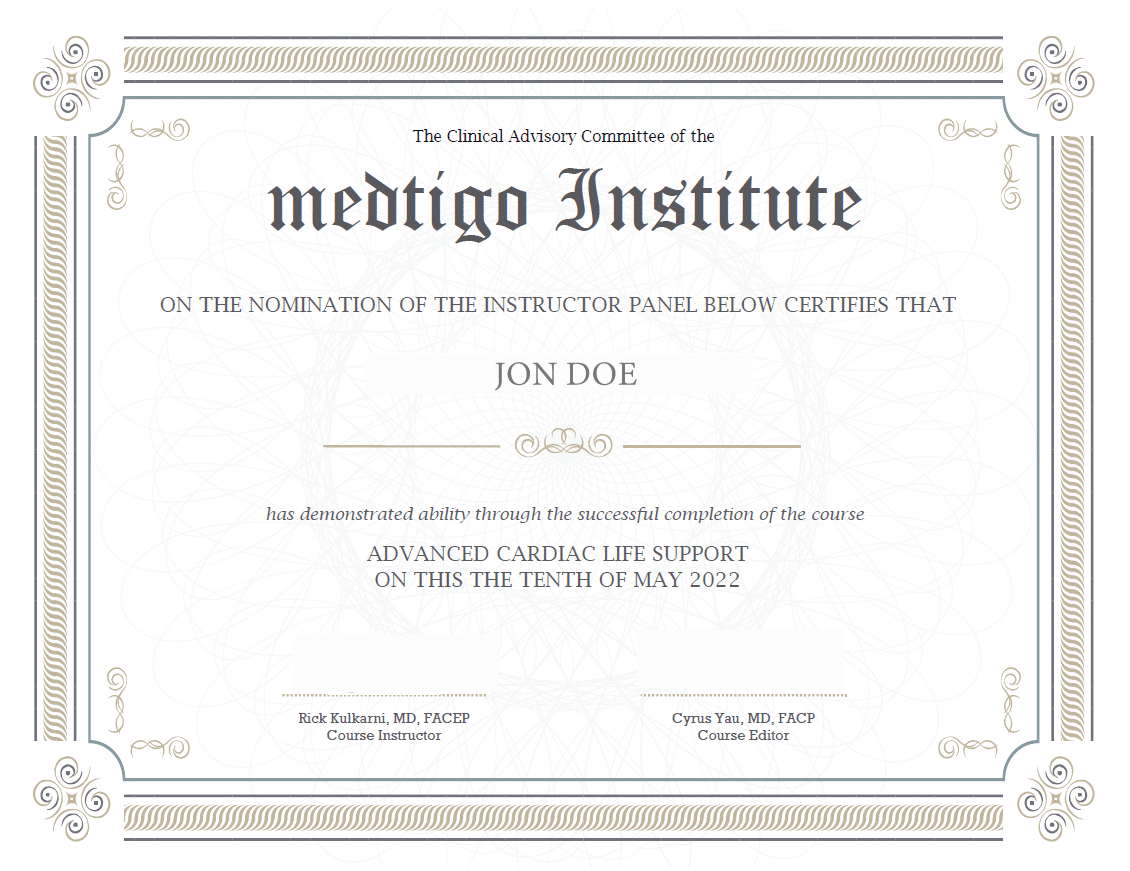
On course completion, you will receive a full-sized presentation quality digital certificate.
medtigo Simulation
A dynamic medical simulation platform designed to train healthcare professionals and students to effectively run code situations through an immersive hands-on experience in a live, interactive 3D environment.
medtigo Points
medtigo points is our unique point redemption system created to award users for interacting on our site. These points can be redeemed for special discounts on the medtigo marketplace as well as towards the membership cost itself.
Community Forum post/reply = 5 points
*Redemption of points can occur only through the medtigo marketplace, courses, or simulation system. Money will not be credited to your bank account. 10 points = $1.
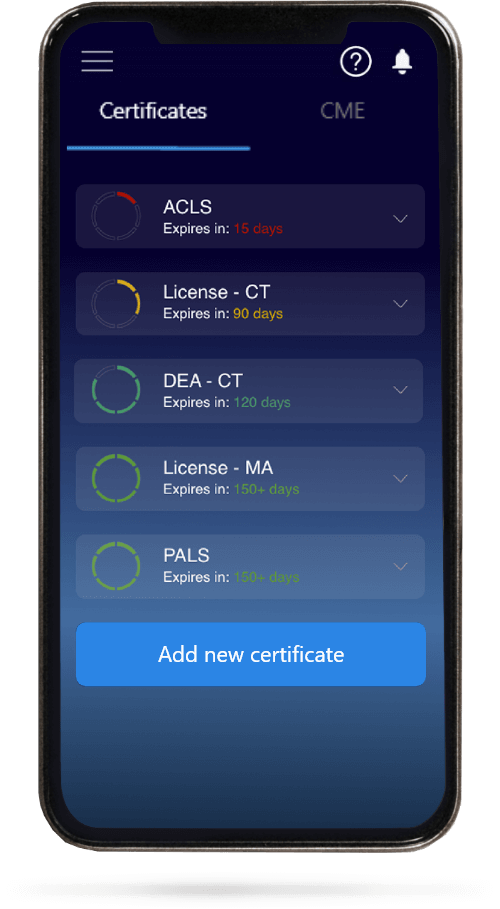
All Your Certificates in One Place
When you have your licenses, certificates and CMEs in one place, it's easier to track your career growth. You can easily share these with hospitals as well, using your medtigo app.