Hidden Risks of Exosome Injections in Pain Management
April 8, 2026




Brand Name :
Voltaren Ophthalmic
Synonyms :
diclofenac ophthalmic
Class :
Ophthalmic NSAIDs



Brand Name :
Voltaren Ophthalmic
Synonyms :
diclofenac ophthalmic
Class :
Ophthalmic NSAIDs
Dosage Forms & Strengths
Solution (ophthalmic)
0.1%
Put one drop in the affected eye four times a day for a duration of 14 days
Starting with first day after the surgical procedure
Safety and efficacy not determined
Refer to adult dosing
Actions and Spectrum
diclofenac ophthalmic works primarily by preventing the body from producing prostaglandins, which are chemicals that induce pain and inflammation. diclofenac lowers the formation of prostaglandins by blocking the enzyme cyclooxygenase (COX), which lessens inflammation and symptoms like redness, swelling, and pain in the eye.
The main purpose of diclofenac ophthalmic is to alleviate ocular inflammation brought on after cataract surgery. It is suggested for people who have had cataract surgery to reduce postoperative inflammation and lessen ocular pain.
Frequency not defined
Mild ocular stinging
Fever
Keratitis
Corneal thinning
Eyelid swelling
Pain
Corneal perforation
Slow corneal wound healing
Dizziness
Abdominal pain
Corneal edema
Insomnia
Conjunctivitis
Irritation
Chills
Corneal deposits
Nausea/vomiting
Increased IOP
Lacrimation
Irritation
Black Box Warning
None
Contraindication/Caution:
Contraindication:
Caution:
Pregnancy warnings:
Pregnancy category: C
Lactation: Excretion into human milk is in considerably lower amount
Pregnancy Categories:
Category A: well-controlled and Satisfactory studies show no risk to the fetus in the first or later trimester.
Category B: there was no evidence of risk to the fetus in animal studies, and there were not enough studies on pregnant women.
Category C: there was evidence of risk of adverse effects in animal reproduction studies, and no adequate evidence in human studies must take care of potential risks in pregnant women.
Category D: adequate data with sufficient evidence of human fetal risk from various platforms, but despite the potential risk, and used only in emergency cases for potential benefits.
Category X: Drugs listed in this category outweigh the risks over benefits. Hence these categories of drugs need to be avoided by pregnant women.
Category N: There is no data available for the drug under this category.
Pharmacology
By blocking the activity of the enzyme cyclooxygenase, which transforms arachidonic acid into prostaglandins, diclofenac ophthalmic has therapeutic effects. Reduced inflammation, discomfort, and edema in the eye are the results of this restriction of prostaglandin synthesis.
Pharmacodynamics
By reducing the generation of inflammatory prostaglandins, diclofenac ophthalmic lessens inflammation in the eye.
The mild analgesic effects of diclofenac ophthalmic can aid in the reduction of eye pain.
They inhibit the activity of enzymes that break down fibrin, a protein implicated in the formation of blood clots, is one of the effects of diclofenac ophthalmic.
Pharmacokinetics
Absorption
diclofenac ophthalmic is formulated for administration into the eye. The drug is absorbed into the ocular tissues after being administered to the eye. diclofenac’s lipophilic characteristics make it easier for it to absorb through the cornea and through the ocular barriers.
Distribution
diclofenac ophthalmic is primarily distributed locally within the eye. It does not show a major systemic distribution and is still mostly restricted to the ocular tissues.
Metabolism
The local metabolism of diclofenac ophthalmic occurs inside the eye. The esterase found in the tissues of the eye quickly and thoroughly breaks it down, producing the active metabolite, 4-hydroxydiclofenac.
Elimination and excretion
diclofenac ophthalmic and its metabolites are eliminated primarily via local ocular routes.
Administration
diclofenac ophthalmic is typically administered as eye drops.
Patient information leaflet
Generic Name: diclofenac ophthalmic
Why do we use diclofenac ophthalmic?
Following cataract surgery, diclofenac ophthalmic is generally used to alleviate postoperative inflammation and lessen ocular pain.
The redness, swelling, and discomfort brought on by ocular inflammation are some of the symptoms it helps to treat.

Both our subscription plans include Free CME/CPD AMA PRA Category 1 credits.

On course completion, you will receive a full-sized presentation quality digital certificate.
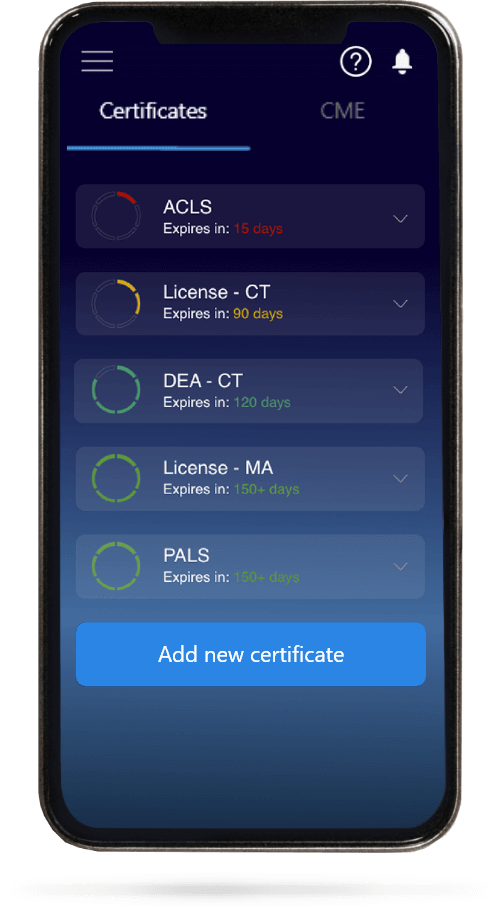
When you have your licenses, certificates and CMEs in one place, it's easier to track your career growth. You can easily share these with hospitals as well, using your medtigo app.