Hidden Risks of Exosome Injections in Pain Management
April 8, 2026




Brand Name :
N/A
Synonyms :
diethylene triamine penta-acetic acid
Class :
Antidote



Brand Name :
N/A
Synonyms :
diethylene triamine penta-acetic acid
Class :
Antidote
Dosage Forms & Strengths
Solution
200 mg/ml
Take initial dose intravenously of 1 g daily
Take maintenance dose intravenously of 1 g daily
Dosing modifications
Renal Impairment
Dose modification not required
Hepatic impairment
Dose modification not required
Dosage Forms & Strengths
Solution
200 mg/ml
For <12 years:
Take initial dose on day 1 intravenously 14 mg/kg one time a day
Take maintenance dose on day 2 intravenously 14 mg/kg one time a day
Maximum daily dose not more than 1000 mg
For ≥12 years and Adolescents:
Take initial dose on day 1 intravenously 1000 mg one time a day
Take maintenance dose on day 2 intravenously 1000 mg one time a day
Start next day after the first dose administered
Refer to adult dosing
Actions and Spectrum
diethylene triamine penta-acetic acid (DTPA) acts as a chelating agent, meaning it forms stable complexes with metal ions.
It possesses a high affinity for certain metals, particularly divalent and trivalent cations such as iron, lead, and plutonium.
Frequency not defined
Gastrointestinal: Diarrhea, vomiting, nausea
Cardiovascular: Chest pain
Local: Injection site reaction
Neuromuscular and skeletal: Muscle cramps
Genitourinary: Pelvic pain
Central nervous system: Chills, dizziness, metallic taste, headache
Dermatologic: Dermatitis, pruritus
Hypersensitivity: Hypersensitivity reaction
Respiratory: Cough, wheezing
Black Box Warning
None
Contraindication/Caution:
Pregnancy consideration:
Pregnancy category: N/A
Lactation: Excretion into human milk is unknown
Pregnancy Categories:
Category A: well-controlled and Satisfactory studies show no risk to the fetus in the first or later trimester.
Category B: there was no evidence of risk to the fetus in animal studies, and there were not enough studies on pregnant women.
Category C: there was evidence of risk of adverse effects in animal reproduction studies, and no adequate evidence in human studies must take care of potential risks in pregnant women.
Category D: adequate data with sufficient evidence of human fetal risk from various platforms, but despite the potential risk, and used only in emergency cases for potential benefits.
Category X: Drugs listed in this category outweigh the risks over benefits. Hence these categories of drugs need to be avoided by pregnant women.
Category N: There is no data available for the drug under this category.
Pharmacology
diethylene triamine penta-acetic forms multiple coordination bonds with metal ions, creating a stable chelate complex. This complexation reduces the toxicity of the metal ions and facilitates their elimination from the body.
Pharmacodynamics
Limited information available
Pharmacokinetics
Absorption
diethylene triamine penta-acetic is administered via intravenous (IV) injection to ensure its direct entry into the systemic circulation.
Distribution
diethylene triamine penta-acetic distributes through the extracellular fluid compartment.
Metabolism
diethylene triamine penta-acetic is minimally metabolized in the body.
Elimination and excretion
diethylene triamine penta-acetic is primarily eliminated by renal excretion in the urine.
Administration
diethylene triamine penta-acetic administered as an intravenous infusion or injection.
Patient information leaflet
Generic Name: diethylene triamine penta-acetic
Why do we use diethylene triamine penta-acetic?
diethylene triamine penta-acetic acid (DTPA) is a chelating agent commonly used for its ability to bind to metal ions.
It is primarily used for the treatment of heavy metal poisoning, particularly in cases of iron, lead, and plutonium toxicity.
DTPA is also used in lead poisoning cases. As it binds to lead ions and helps enhance their elimination through urine, reducing lead levels in the body.

Both our subscription plans include Free CME/CPD AMA PRA Category 1 credits.
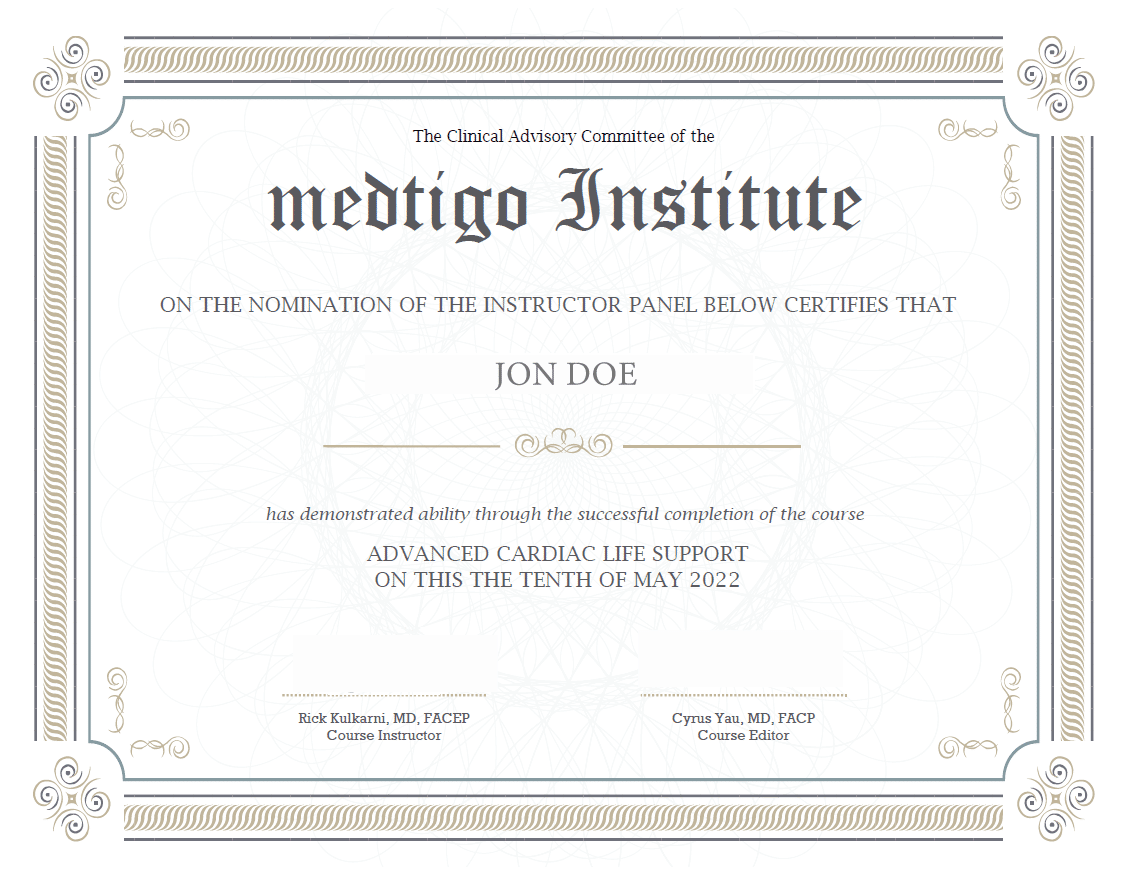
On course completion, you will receive a full-sized presentation quality digital certificate.
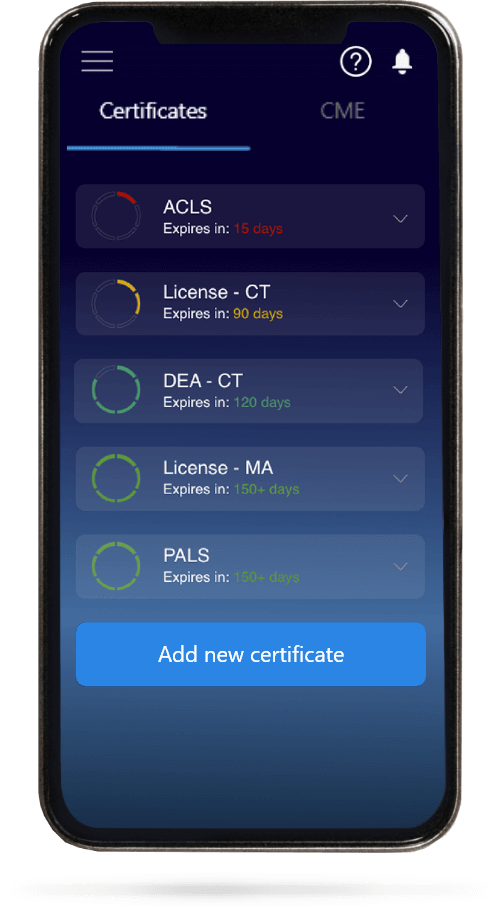
When you have your licenses, certificates and CMEs in one place, it's easier to track your career growth. You can easily share these with hospitals as well, using your medtigo app.