Rising Adoption of Continuous Glucose Monitors in Medicare Advantage: Trends from 2021–2023
April 13, 2026




Brand Name :
Ephedra, Ma huang
Synonyms :
ephedra sinica root
Class :
Bronchodilator, Herbal plant



Brand Name :
Ephedra, Ma huang
Synonyms :
ephedra sinica root
Class :
Bronchodilator, Herbal plant
Dosage Forms & Strengths
Tablets
8 mg
100 mg
Capsules
10 mg
84 mg
Take a dose of 32 mg orally daily
Not determined
Refer to adult dosing
Actions and Spectrum
Ephedrine and pseudoephedrine are sympathomimetic compounds that stimulate the sympathetic nervous system.
This property has led to the use of Ephedra sinica in the treatment of respiratory conditions such as asthma and bronchitis.
Frequency not defined
Psychiatric symptoms
Autonomic hyperactivity
Arrhythmia and sudden death
Myocardial infarction
Coronary artery aneurysm
Stroke
Seizures
Black Box Warning
None
Contraindication/Caution:
Pregnancy consideration:
Pregnancy category: N/A
Lactation: Excretion into human milk is unknown
Pregnancy Categories:
Category A: well-controlled and Satisfactory studies show no risk to the fetus in the first or later trimester.
Category B: there was no evidence of risk to the fetus in animal studies, and there were not enough studies on pregnant women.
Category C: there was evidence of risk of adverse effects in animal reproduction studies, and no adequate evidence in human studies must take care of potential risks in pregnant women.
Category D: adequate data with sufficient evidence of human fetal risk from various platforms, but despite the potential risk, and used only in emergency cases for potential benefits.
Category X: Drugs listed in this category outweigh the risks over benefits. Hence these categories of drugs need to be avoided by pregnant women.
Category N: There is no data available for the drug under this category.
Pharmacology
Ephedrine and pseudoephedrine act by stimulating the central nervous system, which results in better cognitive performance, less fatigue, and increased alertness.
Ephedrine has thermogenic properties; thus, it can increase heat production in the body.
Pharmacodynamics
CNS stimulation can enhance cognitive function and contribute to the stimulant effects associated with the use of ephedra sinica root.
Ephedrine has thermogenic properties, increasing heat production in the body. This can lead to an increase in metabolic rate and energy.
Pharmacokinetics
Absorption
Ephedra sinica root is taken orally and it is absorbed from the gastrointestinal tract.
Distribution
Ephedra sinica root are distributed throughout the body.
Metabolism
Ephedra sinica root undergoes metabolism in the liver.
Elimination and excretion
Ephedra sinica root is excreted through the kidneys.
Administration
Ephedra sinica root is taken orally and it is available in the form of tablets and capsule.
Patient information leaflet
Generic Name: ephedra sinica root
Why do we use ephedra sinica root?
Ephedra sinica root is used as a bronchodilator to alleviate symptoms of respiratory conditions such as asthma and bronchitis.
Ephedra sinica root has been used as a decongestant due to its ability to constrict blood vessels in the nasal mucosa.
Ephedra sinica root has stimulant properties which contributes to increased alertness and reduced fatigue.

Both our subscription plans include Free CME/CPD AMA PRA Category 1 credits.
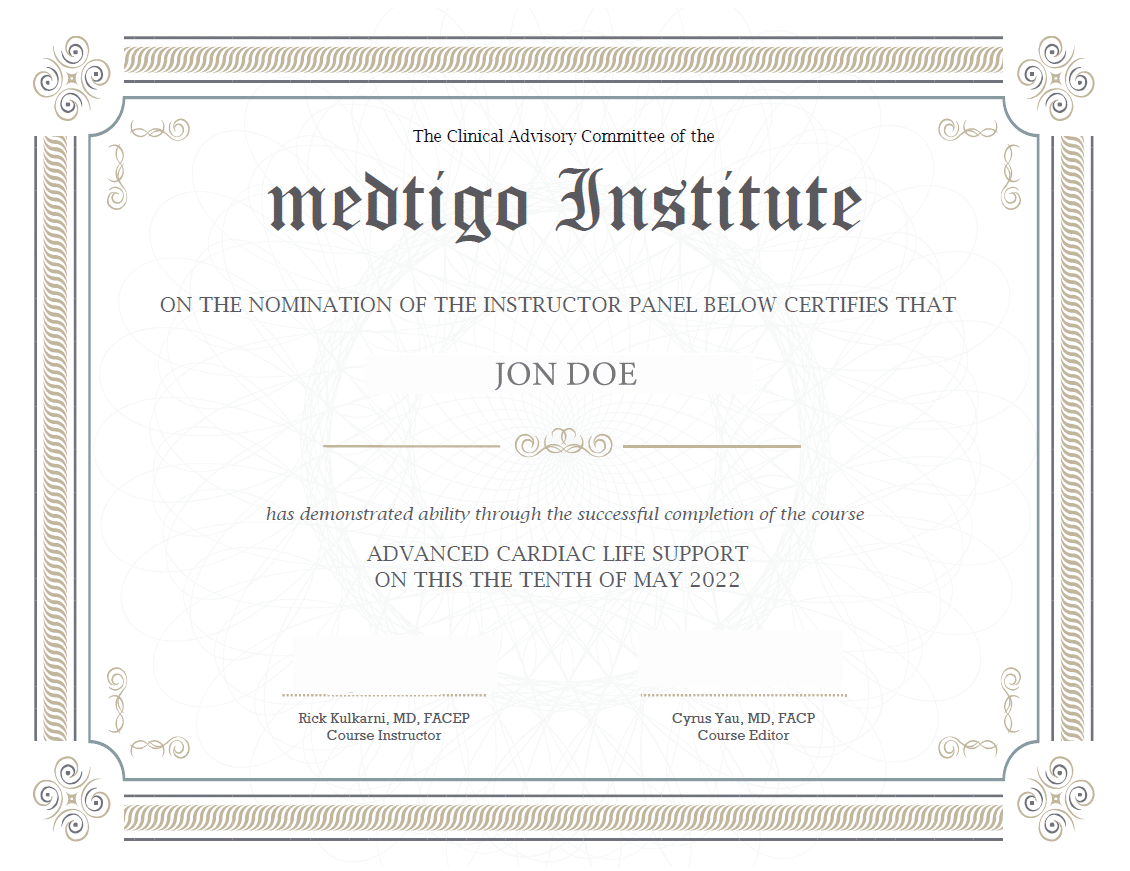
On course completion, you will receive a full-sized presentation quality digital certificate.

When you have your licenses, certificates and CMEs in one place, it's easier to track your career growth. You can easily share these with hospitals as well, using your medtigo app.