Hidden Risks of Exosome Injections in Pain Management
April 8, 2026




Brand Name :
Duragesic
Synonyms :
Phentanyl, Fentanylum, Fentanil, Fentanilo, Fentanila, Fentanyl CII, Fentanyl
Class :
Neuropsychiatric agent, Anesthetics, General anesthetics, Opiod anesthetics, opiod receptor agonist, mu-Opiod receptor agonist, Opiod analgesics



Brand Name :
Duragesic
Synonyms :
Phentanyl, Fentanylum, Fentanil, Fentanilo, Fentanila, Fentanyl CII, Fentanyl
Class :
Neuropsychiatric agent, Anesthetics, General anesthetics, Opiod anesthetics, opiod receptor agonist, mu-Opiod receptor agonist, Opiod analgesics
Dosage Forms & Strengths
Transdermal patch
12mcg/hr
25mcg/hr
50mcg/hr
Indicated for opioid tolerance indiviulas with chronic pain
Stop taking any other extended-release opioids or reduce them gradually
25-100 mcg applied every hour 3days until sufficient analgesia is obtained
60 mg/day of morphine + 25 mcg/day transdermal fentanyl + 30 mg/day orally oxycodone + 8 mg/day orally hydromorphone + 25 mg/day orally oxymorphone + 60 mg/day orally hydrocodone or equivalent analgesic dose of another opioid for week or more are considered opioid tolerant
Dosage Forms & Strengths
Transdermal patch
12mcg/hr
25mcg/hr
50mcg/hr
Indicated for opioid tolerance indiviulas with chronic pain
Stop taking any other extended-release opioids or reduce them gradually
25-100 mcg applied every hour 3days until sufficient analgesia is obtained
60 mg/day of morphine + 25 mcg/day transdermal fentanyl + 30 mg/day orally oxycodone + 8 mg/day orally hydromorphone + 25 mg/day orally oxymorphone + 60 mg/day orally hydrocodone or equivalent analgesic dose of another opioid for week or more are considered opioid tolerant
Indicated for opioid tolerance indiviulas with chronic pain
Stop taking any other extended-release opioids or reduce them gradually
25-100 mcg applied every hour 3days until sufficient analgesia is obtained
60 mg/day of morphine + 25 mcg/day transdermal fentanyl + 30 mg/day orally oxycodone + 8 mg/day orally hydromorphone + 25 mg/day orally oxymorphone + 60 mg/day orally hydrocodone or equivalent analgesic dose of another opioid for week or more are considered opioid tolerant
Refer to the adult dosing
Action and spectrum:
Fentanyl activates opioid receptors prevents relief from pain which is selective for mu receptors, kappa, and delta receptors.
Dopamine is elevated in few regions by result of this activation and producing euphoric and calming effects that are commonly linked to drug addiction.
The CYP450 enzyme system metabolizes fentanyl, which has a three- seven-hour half-life and excretes 9% from feces and 75% through urine.
Frequency not defined
Paranoid reaction
Hemoptysis
Sedation
Faintness
Asthenia
Accidental injury
Confusion
Myocardial infarction
Upper respiratory tract infection
Urinary retention
Amnesia
Angina pectoris
Agitation
Influenzalike symptoms
Respiratory depression
Depression
Constipation
Bradycardia
Paresthesia
Severe cardiac arrhythmias
Micturition disorder
Black Box Warning:
The potential for opioid addiction, abuse, and misuse that result in overdose, death, and respiratory depression that is potentially fatal.
Contraindication/Caution:
Contraindications
Chronic or acute bronchial asthma in an unmonitored settings or without access to resuscitation equipment. If recognized or suspected may have Intestinal blockage including paralytic ileus. Hypersensitive to drugs.
Considerable lowering of the breathing.
Cautions:
Patients w/ history of substance misuse or mental illness are more susceptible to addiction.
When stopping opiate use tapering gradually is recommended.
In elderly individuals bradycardia should be used with caution.
Risks of addiction, misuse, and overdose are associated with Schedule II opioid analgesics.
Pregnancy Warnings:
Pregnancy category: Not assigned
Lactation:
Excretion of the drug into human breast milk is unknown
Pregnancy Categories:
Category A: Satisfactory and well-controlled studies show no evidence of risk to the fetus in the first trimester or in the later trimester.
Category B: No evidence of risk to fetus found in animal reproduction studies and there are not enough studies on pregnant women.
Category C: Adverse effects on the fetus found with evidence in animal reproduction studies and no adequate evidence for an effect in humans, care must be taken for potential risks in pregnant women.
Category D: There is adequate data available with sufficient evidence of human fetal risk from various platforms, but despite potential risks may be used only in emergency cases for potential benefits.
Category X: Drugs listed in this category clearly outweigh risks over benefits. These category drugs should be prohibited for pregnant women.
Category N: There is no data available for the drug under this category.
Pharmacology:
Fentanyl is a pain medication that works like opioids. It stops pain signals from reaching the brain. Fentanyl attaches to opioid receptors in the body. This blocks pain pathways from carrying messages upward. Fentanyl makes you feel calm, sleepy, and free from pain. But it also slows breathing down, which can be dangerous. By connecting to opioid receptors, fentanyl interrupts how pain travels. So, it impacts the way pain feels and is managed.
Pharmacodynamics:
Transdermal fentanyl patches work in a unique way. They stick to your skin and release the powerful opioid drug fentanyl into your bloodstream. This allows fentanyl to reach your brain slowly but steadily. By binding to these receptors, fentanyl blocks pain signals from traveling. Thus, you experience long-lasting pain relief. The steady release of fentanyl from the patch means opioid levels stay consistent. Unlike pill forms, the patch avoids peaks and crashes. Key effects include easing pain slowed breathing, and sedation. These patches suit treating chronic pain best for patients already taking opioids. They provide round-the-clock relief over an extended timeframe.
Pharmacokinetics:
Absorption
After removing the patch, fentanyl keeps getting absorbed into the body from the skin. This leads to around 50% drop in the blood levels over 20-27 hours. The drug usually starts working about 6 hours after applying the patch. Its effects last 72-96 hours. Peak blood levels happen 28.8-35.8 hours after putting on the patch. These peak levels depend on the dose and range from 0.38-3.36 ng/mL after the first application.
Distribution
With a volume of 4-6 L/kg and 80-85% binding to proteins, fentanyl spreads through body tissues.
Metabolism
The liver breaks it down mostly via CYP3A4. Fentanyl gets removed with a half-life of 20-27 hours.
Elimination and Excretion
Most (75%) get out through urine as metabolites. A small amount (9%) leaves as metabolites in the stool.
Administration:
To use the transdermal fentanyl patch, apply the sticky side with the drug directly onto clean, dry skin. The best areas are chest, back, or arms. Avoid putting it on scars, rashes, or open wounds. Clip hair if needed. Don’t overlap patches. Consider more than one application use at once. After 72 hours, remove the old patch and put on a new one somewhere else. The fentanyl goes through the top skin layer into the bloodstream. It builds up in a secondary skin reservoir. This gives steady pain relief. When removing the patch, be very careful. Proper disposal is crucial.
Patient information leaflet
Generic Name: fentanyl transdermal
Pronounced: fen-ta-nil trans-der-muhl
Why do we use fentanyl transdermal?
Fentanyl transdermal is used for its strong pain relief properties. It manages chronic, persistent pain in patients needing continuous opioid therapy. This includes cancer-related pain or other long-term conditions. The patches release the medication through the skin steadily over 72 hours. This provides a consistent level of the drug in the blood. It improves the quality of life and gives prolonged relief for persistent pain. The transdermal delivery reduces frequent dosing needs. It minimizes potential side effects from other routes. However, its potent nature requires careful medical supervision use.
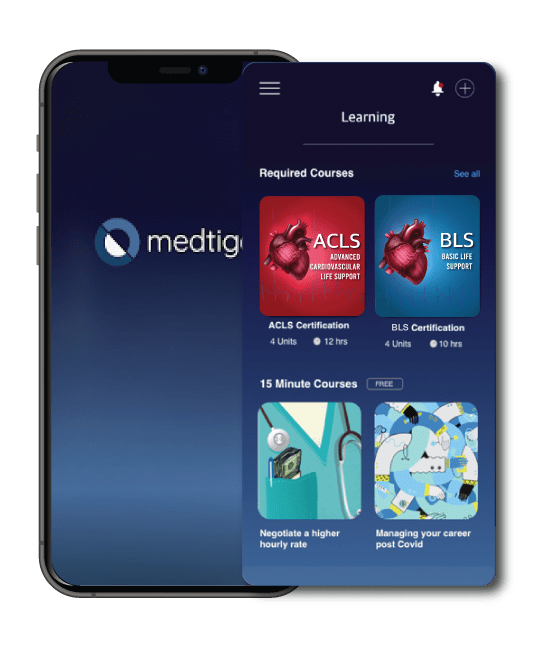
Both our subscription plans include Free CME/CPD AMA PRA Category 1 credits.
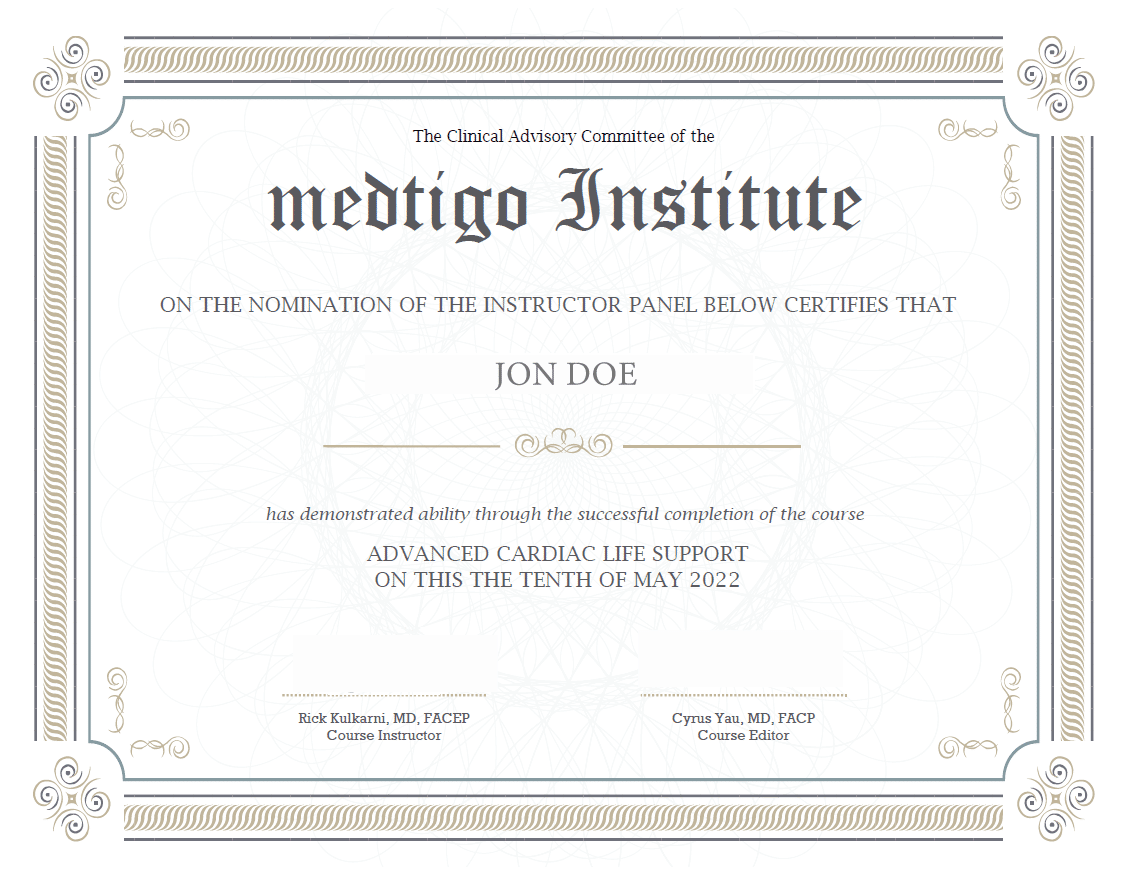
On course completion, you will receive a full-sized presentation quality digital certificate.
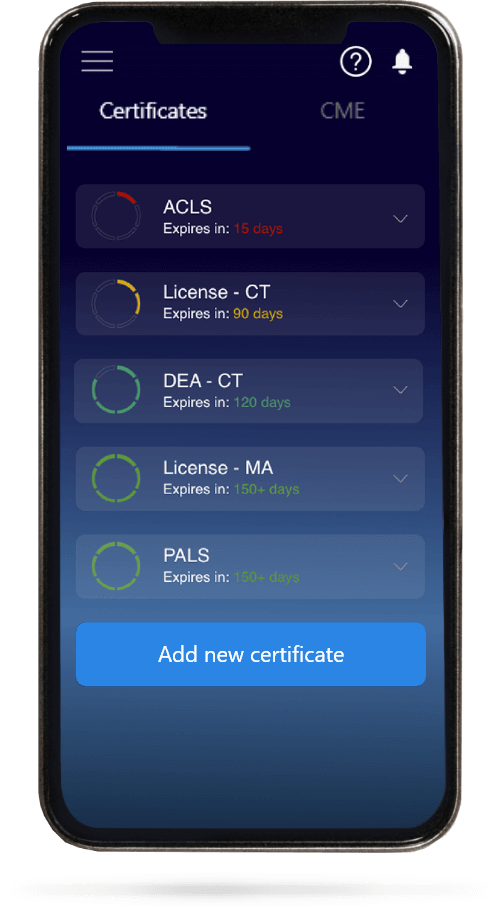
When you have your licenses, certificates and CMEs in one place, it's easier to track your career growth. You can easily share these with hospitals as well, using your medtigo app.