Hidden Risks of Exosome Injections in Pain Management
April 8, 2026




Brand Name :
Qfitlia
Synonyms :
Fitusiran
Class :
RNAi Agents



Brand Name :
Qfitlia
Synonyms :
Fitusiran
Class :
RNAi Agents
Dosage forms & Strengths:
Adult
Solution
20mg/0.2ml
50mg/0.5ml
Initial dose:
Administer dose of 50 mg through subcutaneous route every 2 months
Breakthrough bleeding management with CFC or BPA
≤7 days after initiating:
Utilize patient's previous clotting factor concentrates (CFC) or bypassing agent (BPA) prophylaxis dosing regimen
>7 days after initiating:
Reduce CFC/BPA dose and frequency to minimize thrombosis
CFC/BPA recommendations while treated with fitusiran
Reduce CFC/BPA dose and double interval
Factor VIII
Administer dose of 10 units/kg and it should not more than 20 units/kg
Factor IX (standard half-life)
Administer dose of 20 units/kg and it should not more than 30 units/kg
Factor IX (extended half-life)
Administer dose of 20 units/kg and it should not more than 30 units/kg
Activated prothrombin complex concentrate (aPCC)
Administer dose of 30 units/kg and it should not more than 50 units/kg
Activated recombinant FVII (rFVIIa)
Administer dose of ≤45 mcg/kg
Dosage Modifications
Measure AT activity at Weeks 4, 12, 20, and 24 post starting dose and modifications
Restart AT measurements post dose reduction
Dose adjustment based on AT activity
Last dose administered for 50 mg every 2 months:
AT <15%: Administer dose of 20 mg every 2 months
AT 15-35%: Continue with current dose
AT >35% after 6 months: Administer dose of 50 mg every month
Last dose administered for 20 mg every 2 months
AT <15%: Administer dose of 10 mg every 2 months
AT 15-35%: Continue current dose
AT >35% after 6 months: Administer 20 mg every month
Last dose administered for 10 mg every 2 months
AT <15%: Stop fitusiran
AT 15-35%: Continue current dose
AT >35% after 6 months: Administer 10 mg every month
Dosing Considerations
Before starting
Measure AT pre-initiation and avoid if <60% activity
First 7 days after starting
Patients can maintain previous clotting factor or bypassing agent prophylaxis for 7 days
Discontinue CFC or BPA prophylaxis no later than 7 days after initial fitusiran dose
Discontinue CFC or BPA prophylaxis within 7 days
Hemophilia B (Factor IX Deficiency)
Initial dose:
Administer dose of 50 mg through subcutaneous route every 2 months
Breakthrough bleeding management with CFC or BPA
≤7 days after initiating:
Utilize patient's previous clotting factor concentrates (CFC) or bypassing agent (BPA) prophylaxis dosing regimen
>7 days after initiating:
Reduce CFC/BPA dose and frequency to minimize thrombosis
CFC/BPA recommendations while treated with fitusiran
Reduce CFC/BPA dose and double interval
Factor VIII
Administer dose of 10 units/kg and it should not more than 20 units/kg
Factor IX (standard half-life)
Administer dose of 20 units/kg and it should not more than 30 units/kg
Factor IX (extended half-life)
Administer dose of 20 units/kg and it should not more than 30 units/kg
Activated prothrombin complex concentrate (aPCC)
Administer dose of 30 units/kg and it should not more than 50 units/kg
Activated recombinant FVII (rFVIIa)
Administer dose of ≤45 mcg/kg
Dosage Modifications
Measure AT activity at Weeks 4, 12, 20, and 24 post starting dose and modifications
Restart AT measurements post dose reduction
Dose adjustment based on AT activity
Last dose administered for 50 mg every 2 months:
AT <15%: Administer dose of 20 mg every 2 months
AT 15-35%: Continue with current dose
AT >35% after 6 months: Administer dose of 50 mg every month
Last dose administered for 20 mg every 2 months
AT <15%: Administer dose of 10 mg every 2 months
AT 15-35%: Continue current dose
AT >35% after 6 months: Administer 20 mg every month
Last dose administered for 10 mg every 2 months
AT <15%: Stop fitusiran
AT 15-35%: Continue current dose
AT >35% after 6 months: Administer 10 mg every month
Dosing Considerations
Before starting
Measure AT pre-initiation and avoid if <60% activity
First 7 days after starting
Patients can maintain previous clotting factor or bypassing agent prophylaxis for 7 days
Discontinue CFC or BPA prophylaxis no later than 7 days after initial fitusiran dose
Discontinue CFC or BPA prophylaxis within 7 days
Pediatric
Solution
20mg/0.2ml
50mg/0.5ml
Initial dose:
Administer dose of 50 mg through subcutaneous route every 2 months
Breakthrough bleeding management with CFC or BPA
≤7 days after initiating:
Utilize patient's previous clotting factor concentrates (CFC) or bypassing agent (BPA) prophylaxis dosing regimen
>7 days after initiating:
Reduce CFC/BPA dose and frequency to minimize thrombosis
CFC/BPA recommendations while treated with fitusiran
Reduce CFC/BPA dose and double interval
Factor VIII
Administer dose of 10 units/kg and it should not more than 20 units/kg
Factor IX (standard half-life)
Administer dose of 20 units/kg and it should not more than 30 units/kg
Factor IX (extended half-life)
Administer dose of 20 units/kg and it should not more than 30 units/kg
Activated prothrombin complex concentrate (aPCC)
Administer dose of 30 units/kg and it should not more than 50 units/kg
Activated recombinant FVII (rFVIIa)
Administer dose of ≤45 mcg/kg
Dosage Modifications
Measure AT activity at Weeks 4, 12, 20, and 24 post starting dose and modifications
Dose adjustment based on AT activity
Last dose administered for 50 mg every 2 months:
AT <15%: Administer dose of 20 mg every 2 months
AT 15-35%: Continue with current dose
AT >35% after 6 months: Administer dose of 50 mg every month
Last dose administered for 20 mg every 2 months
AT <15%: Administer dose of 10 mg every 2 months
AT 15-35%: Continue current dose
AT >35% after 6 months: Administer 20 mg every month
Last dose administered for 10 mg every 2 months
AT <15%: Stop fitusiran
AT 15-35%: Continue current dose
AT >35% after 6 months: Administer 10 mg every month
Dosing Considerations
Before starting
Measure AT pre-initiation and avoid if <60% activity
First 7 days after starting
Patients can maintain previous clotting factor or bypassing agent prophylaxis for 7 days
Discontinue CFC or BPA prophylaxis no later than 7 days after initial fitusiran dose
Discontinue CFC or BPA prophylaxis within 7 days
Hemophilia B (Factor IX Deficiency)
Initial dose:
Administer dose of 50 mg through subcutaneous route every 2 months
Breakthrough bleeding management with CFC or BPA
≤7 days after initiating:
Utilize patient's previous clotting factor concentrates (CFC) or bypassing agent (BPA) prophylaxis dosing regimen
>7 days after initiating:
Reduce CFC/BPA dose and frequency to minimize thrombosis
CFC/BPA recommendations while treated with fitusiran
Reduce CFC/BPA dose and double interval
Factor VIII
Administer dose of 10 units/kg and it should not more than 20 units/kg
Factor IX (standard half-life)
Administer dose of 20 units/kg and it should not more than 30 units/kg
Factor IX (extended half-life)
Administer dose of 20 units/kg and it should not more than 30 units/kg
Activated prothrombin complex concentrate (aPCC)
Administer dose of 30 units/kg and it should not more than 50 units/kg
Activated recombinant FVII (rFVIIa)
Administer dose of ≤45 mcg/kg
Dosage Modifications
Measure AT activity at Weeks 4, 12, 20, and 24 post starting dose and modifications
Dose adjustment based on AT activity
Last dose administered for 50 mg every 2 months:
AT <15%: Administer dose of 20 mg every 2 months
AT 15-35%: Continue with current dose
AT >35% after 6 months: Administer dose of 50 mg every month
Last dose administered for 20 mg every 2 months
AT <15%: Administer dose of 10 mg every 2 months
AT 15-35%: Continue current dose
AT >35% after 6 months: Administer 20 mg every month
Last dose administered for 10 mg every 2 months
AT <15%: Stop fitusiran
AT 15-35%: Continue current dose
AT >35% after 6 months: Administer 10 mg every month
Dosing Considerations
Before starting
Measure AT pre-initiation and avoid if <60% activity
First 7 days after starting
Patients can maintain previous clotting factor or bypassing agent prophylaxis for 7 days
Discontinue CFC or BPA prophylaxis no later than 7 days after initial fitusiran dose
Discontinue CFC or BPA prophylaxis within 7 days
Geriatrics
Refer as per adult dose
Actions and Spectrum
RNA interference degrades antithrombin mRNA to lower plasma antithrombin levels.
Fitusiran targets antithrombin mRNA in liver cells using siRNA.
Degradation of AT mRNA reduces antithrombin protein levels.
Frequency defined:
>10%
Nasopharyngitis
Viral infection
Bacterial infection
1-10%
Hepatic injury
Headache
Cough
Arthralgia
Injection site reactions
Gallbladder events
Thrombotic events
Dyspepsia
Abdominal pain
Black Box Warning
Serious thrombotic events occurred in patients with thromboembolism risk factors, including low antithrombin activity, fitusiran use, indwelling catheters, and non-adherence to bleed management.
Monitor signs of acute gallbladder disease to consider discontinuing fitusiran and explore alternative hemophilia treatment if symptoms arise.
Contraindication / Caution
Contraindication:
None
Caution:
Risk of Thrombosis
Liver Function Monitoring
Hepatotoxicity
Pregnancy / Lactation
Pregnancy Warnings:
Pregnancy category: N/A
Lactation: Excretion of the drug into the human breast milk is unknown
Pregnancy categories:
Category A: Satisfactory and well-controlled studies show no evidence of risk to the fetus in the first trimester or in the later trimester.
Category B: No evidence of risk to fetus found in animal reproduction studies and there are not enough studies on pregnant women.
Category C: Adverse effects on the fetus found with evidence in animal reproduction studies and no adequate evidence for an effect in humans, care must be taken for potential risks in pregnant women.
Category D: There is adequate data available with sufficient evidence of human fetal risk from various platforms, but despite potential risks may be used only in emergency cases for potential benefits.
Category X: Drugs listed in this category clearly outweigh risks over benefits. These category drugs should be prohibited for pregnant women.
Category N: There is no data available for the drug under this category.
Pharmacology
Hemophilia patients lack clotting factors to cause impaired blood coagulation.
It reduced thrombin activity to enhance clot formation and decreasing bleeding.
Antithrombin inhibits thrombin and Factor Xa to prevent clotting.
Pharmacodynamics
Fitusiran increases thrombin production by reducing antithrombin in hemophilia.
It decreased antithrombin translation reduces plasma levels and improving blood clot formation in hemophilia patients.
The effects last weeks because of siRNA’s long half-life.
Pharmacokinetics
Absorption:
Peak plasma levels are reached within for fitusiran 20 mg: 2.88 hours and for 50 mg: 3.78 hours.
Area of curve for fitusiran 20 mg: 491 ng⋅hr/ml
And for 50 mg: 1,290 ng⋅hr/ml.
Distribution:
It has high protein binding up to 96.6%
Metabolism:
Endo- and exo-nucleases metabolize to oligonucleotides of progressively shorter lengths.
Elimination and excretion:
Half-life shows of fitusiran for 20 mg: 5.57 hours and for 50 mg: 7.98 hours.
Clearance shows of fitusiran for 20 mg: 41.9 L
and for 50 mg: 50.8 L.
Administration
Administer through subcutaneous route in thigh or abdomen region but avoid around navel region.
Caregiver injects in outer upper arm area.
Avoid injecting into tender, damaged, or bruised skin.
Avoid administering into a vein.
Patient information leaflet
Generic Name: fitusiran
Why do we use fitusiran?
Fitusiran is an investigational RNA interference (RNAi) therapy drug used in treatment of hemophilia A and B.
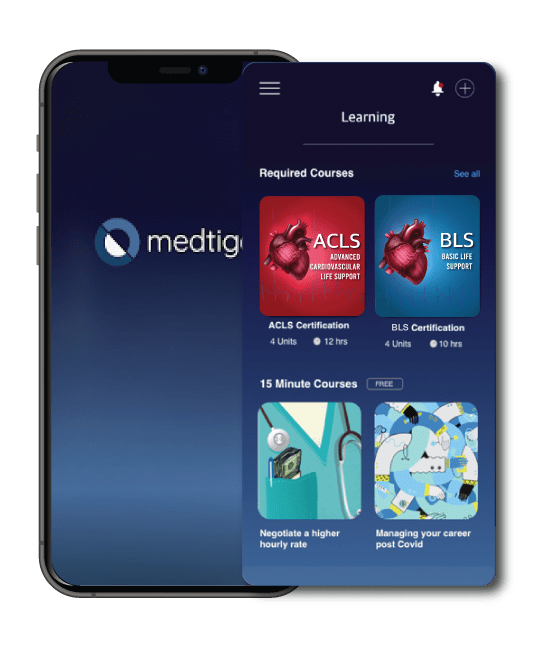
Both our subscription plans include Free CME/CPD AMA PRA Category 1 credits.

On course completion, you will receive a full-sized presentation quality digital certificate.
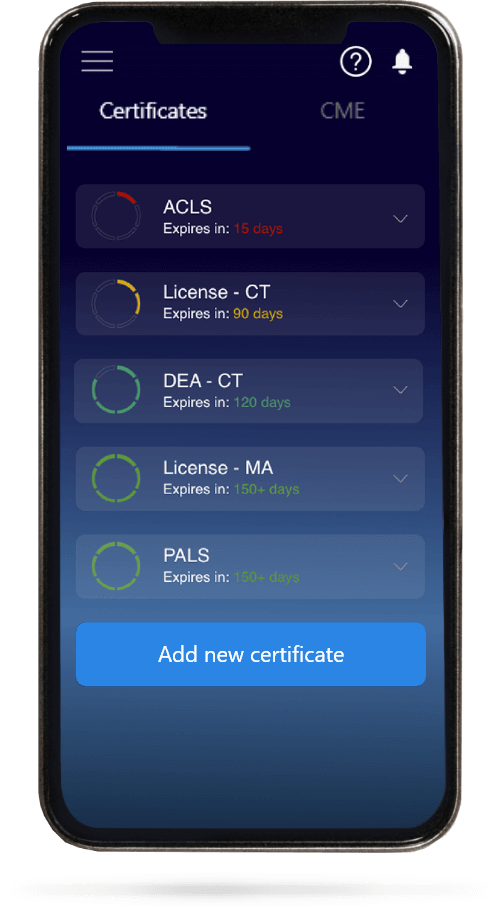
When you have your licenses, certificates and CMEs in one place, it's easier to track your career growth. You can easily share these with hospitals as well, using your medtigo app.