Beyond Clinical Need: The Role of Physician Networks in Medical Referrals
April 18, 2026




Brand Name :
Pizensy
Synonyms :
lactitol
Class :
Osmotic, Laxative



Brand Name :
Pizensy
Synonyms :
lactitol
Class :
Osmotic, Laxative
Dosage Forms & Strengths
Oral powder, unit-dose packet
10g/packet
Oral powder, multidose bottle
280g/bottle
560g/bottle
Chronic Idiopathic Constipation
Take 20 g orally every day
Decrease dose up to 10 g orally every day for persistent loose stools
Safety and efficacy not determined
Refer to adult dosing
Actions and Spectrum
lactitol works as a bulk-forming laxative, which means it gives the stool more bulk and encourages regular bowel movements. It travels to the large intestine largely undamaged since it is neither digested nor absorbed in the small intestine. Bacteria ferment lactitol in the large intestine, producing gases and acids in the process.
Frequency defined
1-10%
Elevated creatinine kinase (1%)
Urinary tract infection (5%)
Diarrhea (4%)
Increased blood creatinine phosphokinase (4%)
Abdominal pain (3%)
Increased blood pressure (3%)
Flatulence (8%)
Severe diarrhea (1%)
Upper respiratory tract infection (9%)
Abdominal distension (3%)
Post marketing Reports
Hypersensitivity reactions
Black Box Warning
None
Contraindication/Caution:
Contraindication:
Caution:
Pregnancy warnings:
Pregnancy category: N/A
Lactation: Excretion into human milk is unknown
Pregnancy Categories:
Category A: well-controlled and Satisfactory studies show no risk to the fetus in the first or later trimester.
Category B: there was no evidence of risk to the fetus in animal studies, and there were not enough studies on pregnant women.
Category C: there was evidence of risk of adverse effects in animal reproduction studies, and no adequate evidence in human studies must take care of potential risks in pregnant women.
Category D: adequate data with sufficient evidence of human fetal risk from various platforms, but despite the potential risk, and used only in emergency cases for potential benefits.
Category X: Drugs listed in this category outweigh the risks over benefits. Hence these categories of drugs need to be avoided by pregnant women.
Category N: There is no data available for the drug under this category.
Pharmacology
In the small intestine, lactitol is not absorbed and moves relatively undamaged to the large intestine. Short-chain fatty acids and gases are created when lactitol is fermented by bacteria in the large intestine.
By drawing water into the colon, this osmotic action aids in encouraging bowel motions by softening the stool.
Pharmacodynamics
lactitol’s osmotic effect pulls water into the colon, raising the water content of the stool.
It helps in promoting regular bowel motions by making the stool waterier and bulkier. It encourages peristalsis, the intestines’ wavelike muscle contractions, which aid in moving the softer stool through the colon.
Pharmacokinetics
Absorption
In the small intestine, lactitol absorbs very slowly. It absorbs very little and mostly makes it to the colon undamaged.
Distribution
Due to its primary location in the gastrointestinal system, lactitol does not considerably circulate throughout the body.
Metabolism
In the body, lactitol is not substantially metabolized. Instead, it is primarily fermented by intestinal bacteria for metabolism.
Elimination and excretion
lactitol and its metabolites are primarily excreted in the feces. Since lactitol is not significantly absorbed, most of the dose is eliminated unchanged in the stool.
Administration
lactitol may be available in liquid form as an oral solution. It can also be available in powder form.
Patient information leaflet
Generic Name: lactitol
Why do we use lactitol?
lactitol is frequently used as an osmotic laxative to treat and relieve constipation. It stimulates bowel motions by luring water into the colon, softening the stool, and softening the stool. lactitol is also used as a sugar substitute in food products. To add sweetness and flavour to a low-calorie or low-sugar diet, lactitol can be used.
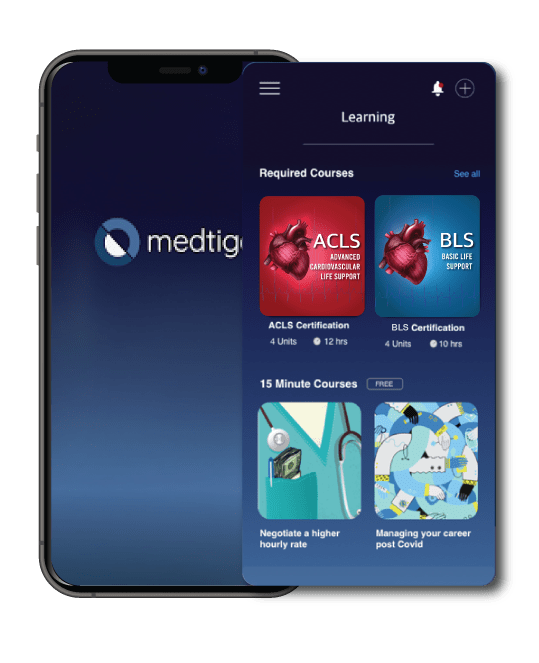
Both our subscription plans include Free CME/CPD AMA PRA Category 1 credits.
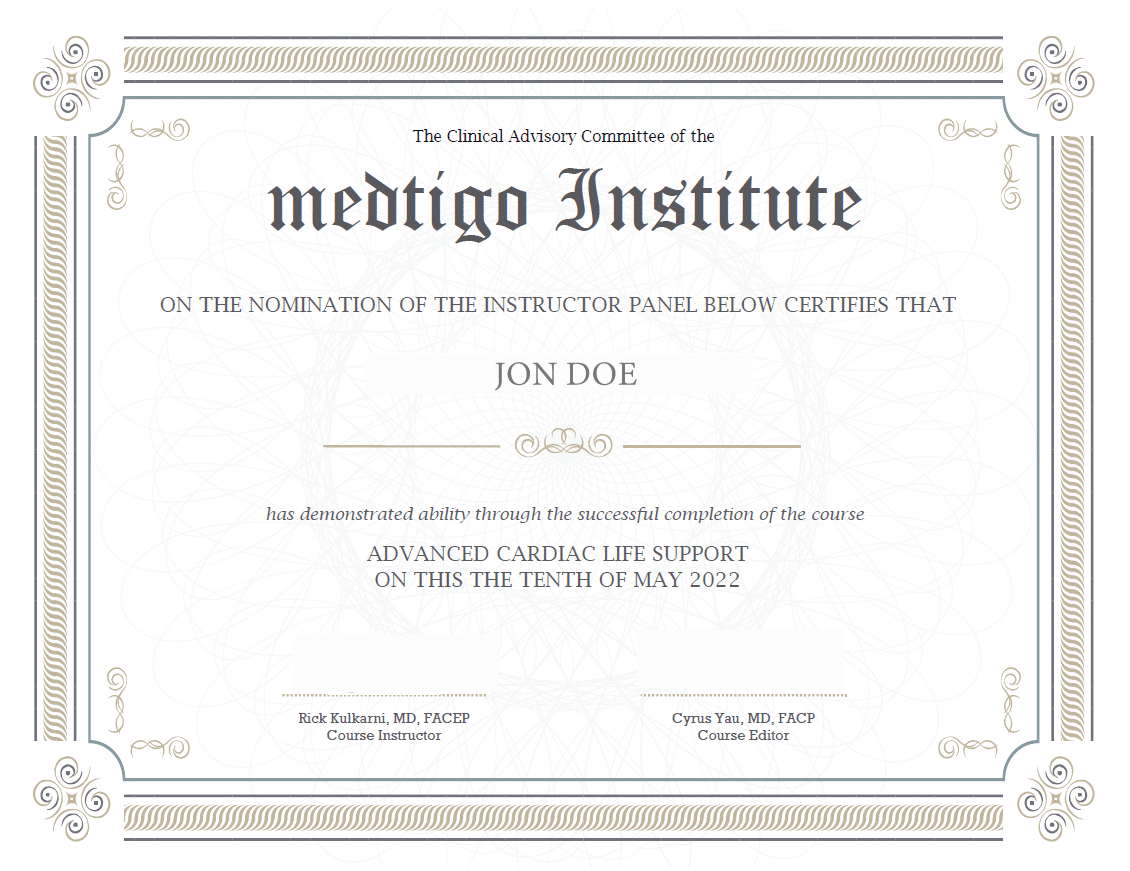
On course completion, you will receive a full-sized presentation quality digital certificate.
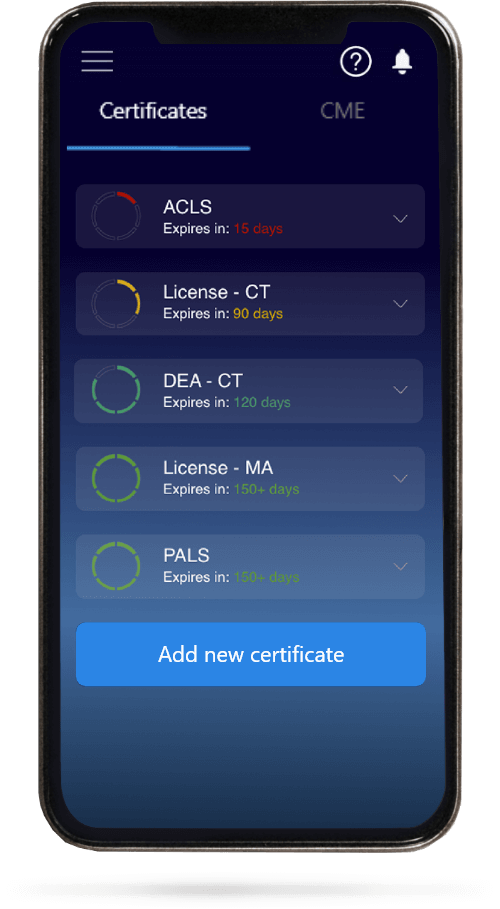
When you have your licenses, certificates and CMEs in one place, it's easier to track your career growth. You can easily share these with hospitals as well, using your medtigo app.