Rising Adoption of Continuous Glucose Monitors in Medicare Advantage: Trends from 2021–2023
April 13, 2026




Brand Name :
Linzess
Synonyms :
linaclotide
Class :
Guanylate Cyclase-C Agonists, IBS Agents, Gastrointestinals



Brand Name :
Linzess
Synonyms :
linaclotide
Class :
Guanylate Cyclase-C Agonists, IBS Agents, Gastrointestinals
Dosage Forms & Strengths
Capsule
72mcg
145mcg
290mcg
Chronic Idiopathic Constipation
Administer 145mcg orally every day
Based on the individual presentation, administer 72 mcg orally every day
Administer 290mcg orally every day
Dosage Forms & Strengths
Capsule
72mcg
Indicated for Functional Constipation:
Administer 72mg orally every day
Refer adult dosing
Actions and Spectrum:
Spectrum of activity:
Frequency defined
>10%
CIC
Diarrhea (16-22%)
IBS-C
Diarrhea (20%)
1-10%
IBS-C
Flatulence (4%)
Viral gastroenteritis (3%)
Severe diarrhea (2%)
Fecal incontinence (<2%)
Gastroesophageal reflux disease (<2%)
Abdominal pain (7%)
Headache (4%)
Abdominal distension (2%)
Defecation urgency (<2%)
Vomiting (<2%)
CIC
Flatulence (6%)
Sinusitis (3%)
Defecation urgency (<2%)
Fecal incontinence (<2%)
Dyspepsia (<2%)
Viral gastroenteritis (<2%)
Abdominal pain (7%)
Upper respiratory tract infection (5%)
Abdominal distension (1-3%)
FC
Diarrhea (4%)
Frequency not defined
Abdominal discomfort
Nausea
Dehydration
Post marketing reports
Angioedema
Anaphylaxis
Hematochezia
Black box warning:
linaclotide is contraindicated in pediatric patients below two years. In nonclinical studies involving neonatal mice, the oral administration of a single clinically relevant adult dose of linaclotide resulted in deaths due to dehydration.
Contraindications/caution:
Contraindications:
Caution:
Pregnancy consideration: Insufficient data available
Lactation: Excretion of the drug in human breast milk is unknown
Pregnancy category:
Category A: well-controlled and Satisfactory studies show no risk to the fetus in the first or later trimester.
<b>Category B: there was no evidence of risk to the fetus in animal studies, and there were not enough studies on pregnant women.
Category C: there was evidence of risk of adverse effects in animal reproduction studies, and no adequate evidence in human studies must take care of potential risks in pregnant women.
Category D: adequate data with sufficient evidence of human fetal risk from various platforms, but despite the potential risk, and used only in emergency cases for potential benefits.
Category X: Drugs listed in this category outweigh the risks over benefits. Hence these categories of drugs need to be avoided by pregnant women.
Category N: There is no data available for the drug under this category
Pharmacology:
Pharmacodynamics:
The pharmacodynamic actions of linaclotide are primarily localized to the gastrointestinal tract, where it acts on the intestinal epithelial cells and the associated signaling pathways. By increasing fluid secretion, enhancing bowel motility, and reducing pain sensitivity, linaclotide helps alleviate constipation symptoms and improve bowel function in conditions like IBS-C and chronic idiopathic constipation (CIC).
Pharmacokinetics:
Absorption
linaclotide is minimally absorbed from the gastrointestinal tract after oral administration. It has poor oral bioavailability, with less than 1% of the administered dose being absorbed systemically. linaclotide remains mainly within the intestinal lumen, exerting its local pharmacological effects.
Distribution
linaclotide does not extensively distribute into tissues throughout the body. It remains localized in the gastrointestinal tract, specifically acting on the intestinal epithelial cells.
Metabolism
linaclotide undergoes extensive degradation by proteolytic enzymes in the gastrointestinal tract. This metabolism results in the formation of smaller peptide fragments and individual amino acids. linaclotide is not subject to significant systemic metabolism due to its limited absorption.
Elimination and Excretion
The metabolites of linaclotide are primarily eliminated via feces. The unchanged drug is excreted in negligible amounts through urine. Since linaclotide mainly acts within the gastrointestinal tract and is minimally absorbed systemically, its excretion primarily occurs by eliminating unabsorbed drugs and metabolites in the feces.
Administration:
linaclotide is usually taken on an empty stomach at least 30 minutes before the day’s first meal. Taking it on an empty stomach helps optimize its absorption and effectiveness.
The linaclotide capsules should be swallowed whole with a glass of water. Do not chew, crush, or break the capsules before swallowing.
Patient information leaflet
Generic Name: linaclotide
Why do we use linaclotide?
linaclotide is primarily used for the treatment of two gastrointestinal conditions:

Both our subscription plans include Free CME/CPD AMA PRA Category 1 credits.
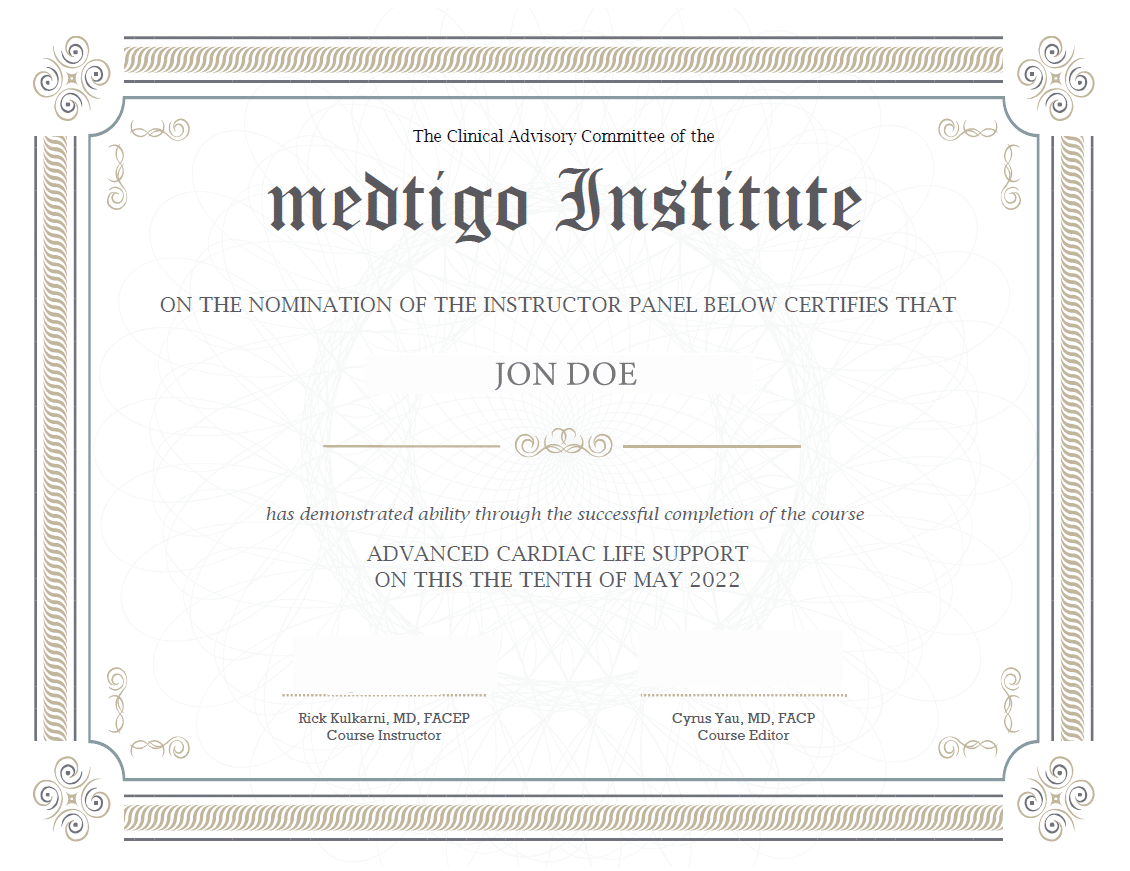
On course completion, you will receive a full-sized presentation quality digital certificate.
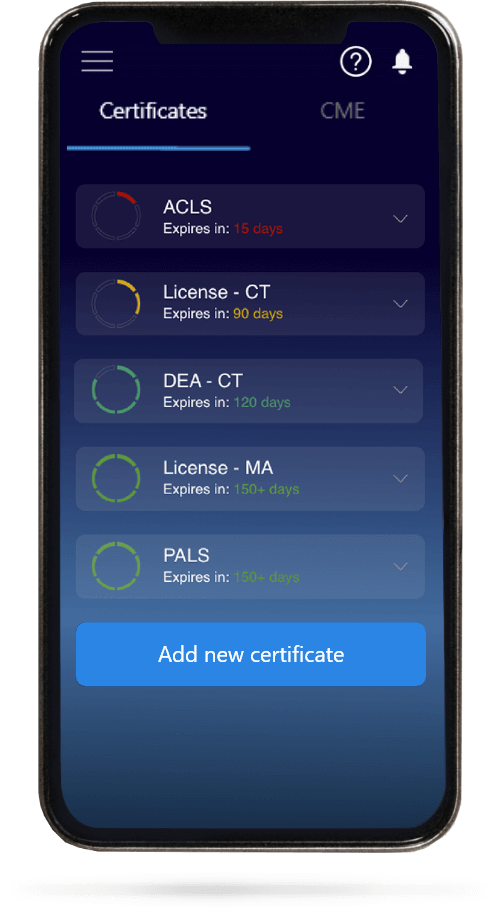
When you have your licenses, certificates and CMEs in one place, it's easier to track your career growth. You can easily share these with hospitals as well, using your medtigo app.