Hidden Risks of Exosome Injections in Pain Management
April 8, 2026




Brand Name :
Synonyms :
linzagolix
Class :
GnRH Antagonists



Brand Name :
Synonyms :
linzagolix
Class :
GnRH Antagonists
Actions and Spectrum:
Actions
The primary action of linzagolix is v the production of gonadotropins (luteinizing and follicle-stimulating hormones). By suppressing these hormones, linzagolix can effectively decrease estrogen levels in the body, which is beneficial for managing the symptoms of conditions like uterine fibroids and endometriosis.
Spectrum
Suppression of ovarian function: linzagolix inhibits the release of luteinizing hormone (LH) & follicle-stimulating hormone (FSH) from the pituitary gland. This results in decreased ovarian estrogen production, leading to medical menopause.
Reduction of menstrual bleeding: linzagolix has been shown to significantly reduce heavy menstrual bleeding associated with uterine fibroids. Lowering estrogen levels helps reduce the fibroids’ size and vascularity, decreasing bleeding.
Alleviation of endometriosis-related pain:
linzagolix also effectively manages pain associated with endometriosis. Suppressing ovarian function and estrogen levels helps shrink endometrial lesions, reduce inflammation, and alleviate pelvic pain and dysmenorrhea symptoms.
None reported
Black Box Warning:
None
Contraindication/Caution:
Contraindications
Cautions
Pregnancy consideration:
No data available
Breastfeeding warnings:
No data available
Pregnancy category:
Category A: well-controlled and satisfactory studies show no risk to the fetus in the first or later trimester.
Category B: there was no evidence of risk to the fetus in animal studies, and there were not enough studies on pregnant women.
Category C: there was evidence of risk of adverse effects in animal reproduction studies, and no adequate evidence in human studies must take care of potential risks in pregnant women.
Category D: adequate data with sufficient evidence of human fetal risk from various platforms, but despite the potential risk, and used only in emergency cases for potential benefits.
Category X: Drugs listed in this category outweigh the risks over benefits. Hence these categories of drugs need to be avoided by pregnant women.
Category N: No data is available for the drug under this category.
Pharmacology:
linzagolix competitively binds to and blocks the GnRH receptors in the pituitary gland. By inhibiting the GnRH receptor, it prevents the binding of endogenous GnRH, which usually stimulates the release of luteinizing hormone (LH) & follicle-stimulating hormone (FSH). The blockade of the GnRH receptor leads to rapid and reversible suppression of LH and FSH secretion.
Pharmacodynamics:
linzagolix acts as a selective antagonist at the GnRH receptors located in the pituitary gland. By binding to these receptors, it competitively inhibits the binding of endogenous GnRH, the natural ligand for these receptors. This aggressive action prevents the activation of the GnRH receptors and subsequent downstream signaling.
Pharmacokinetics:
Absorption
linzagolix is administered orally in tablet form. After oral ingestion, it is well-absorbed from the gastrointestinal tract.
Distribution
linzagolix distributes extensively throughout the body. It is primarily bound to plasma proteins, such as albumin.
Metabolism
linzagolix is metabolized primarily in the liver via the cytochrome P450 (CYP) 3A4 enzyme. It undergoes extensive metabolism, resulting in the formation of several metabolites. The significant linzagolix metabolites are pharmacologically inactive.
Elimination and Excretion
The elimination half-life of linzagolix is approximately 28 hours. It is primarily eliminated from the body through feces (approximately 70%), while a smaller portion is excreted in urine (approximately 15%).
Administration:
linzagolix tablets should be taken orally with/without food, as directed by the healthcare provider.
The tablets should be swallowed whole, not crushed, chewed, or split.
Take all doses to ensure the optimal effectiveness of the medication.
Patient information leaflet
Generic Name: linzagolix
Why do we use linzagolix?
Both our subscription plans include Free CME/CPD AMA PRA Category 1 credits.
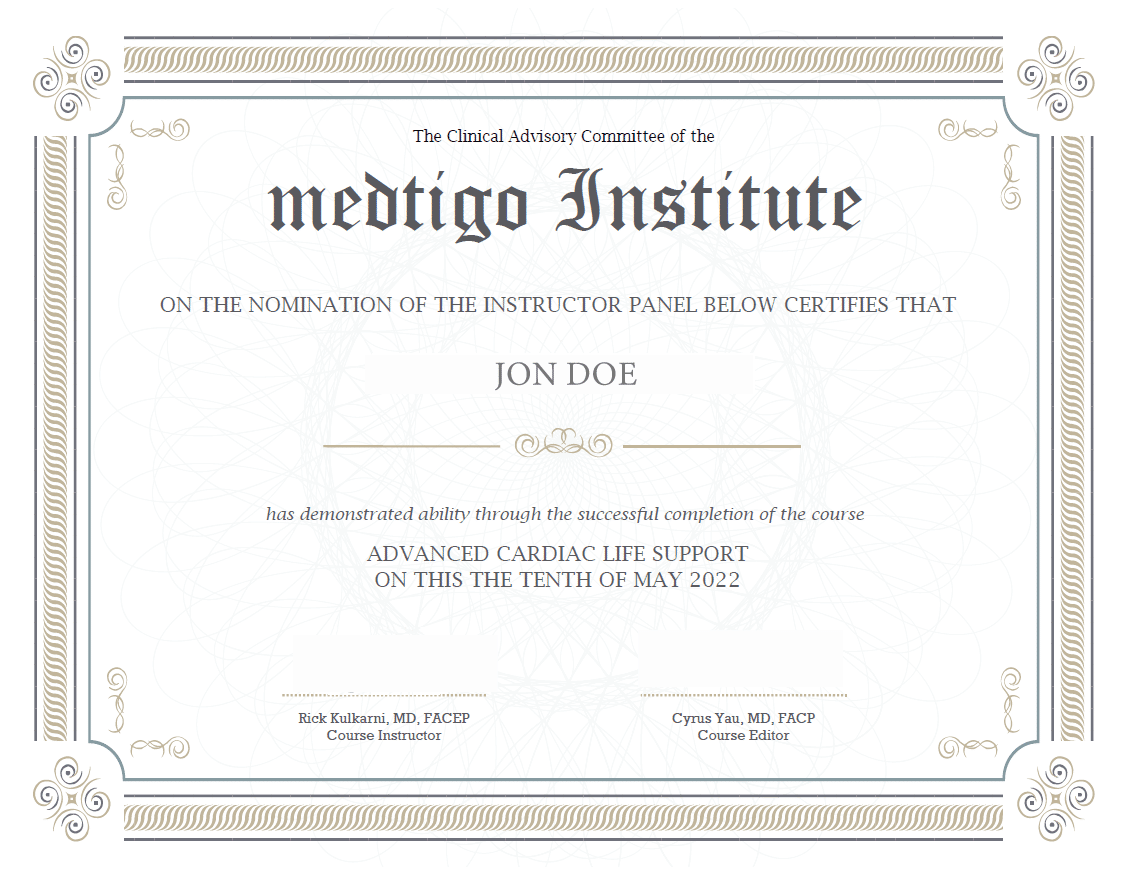
On course completion, you will receive a full-sized presentation quality digital certificate.
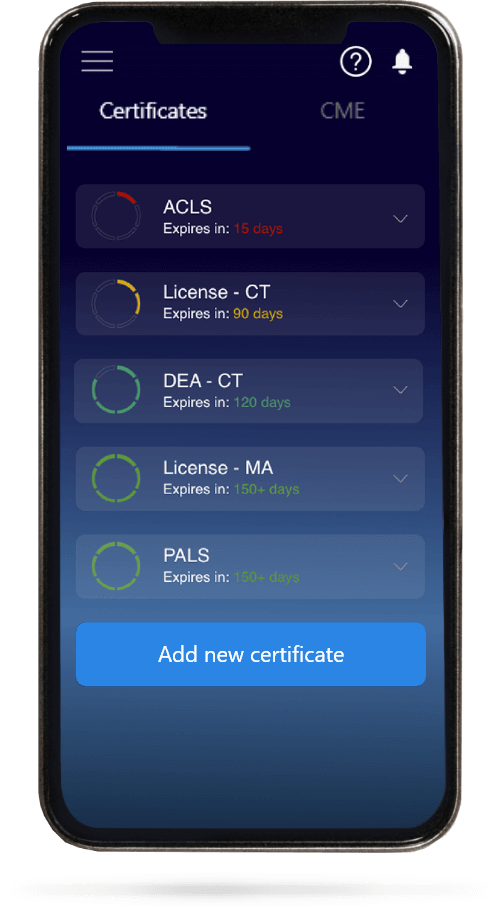
When you have your licenses, certificates and CMEs in one place, it's easier to track your career growth. You can easily share these with hospitals as well, using your medtigo app.