Hidden Risks of Exosome Injections in Pain Management
April 8, 2026




Brand Name :
Alavert, Claritin, Claritin RediTabs
Synonyms :
Class :
Antihistamine, 2nd generation



Brand Name :
Alavert, Claritin, Claritin RediTabs
Synonyms :
Class :
Antihistamine, 2nd generation
Dosage forms & Strengths:
Adult:
Tablet:
10 mg
Capsule:
10 mg
Syrup:
5 mg/5 ml
10
mg
Tablet
Orally
every 24 hours
10
mg
Tablet
Orally
every 24 hours
Safety and efficacy are not seen in children below 6 years
For children >6 years
10
mg
Tablet
Orally
every 24 hours
Safety and efficacy are not seen in children below 6 years
10
mg
Tablet
Orally
every 24 hours
Safety and efficacy are not seen in pediatrics
It may enhance the metabolism when combined with dexamethasone
It may diminish the effect when combined with griseofulvin by CYP3A4 metabolism
it may diminish the metabolism when combined with azelastine
lapatinib increases the effect of loratadine by altering the intestinal or hepatic CYP3A4 enzyme metabolism
>10%:
Headache
1-10%:
Somnolence
Drowsiness
Nervousness
Fatigue
Dry mouth
Hyperkinesia
Conjunctivitis
Dysphonia
URTI
Abdominal pain
Frequency undefined:
Sweating
Impotence
Flushing
Palpitations
Altered blood pressure
Syncope
Paresthesia
Loose stools
Gastritis
Flatulence
Bronchospasm
Dizziness
Ischemic colitis
Dyspepsia
Myalgia
Arthralgia
Menorrhagia
Breast pain
Vaginitis
Coughing
Sinusitis
Hemoptysis
Urinary retention
Urticaria
Dry skin
Dermatitis
Loratadine is contraindicated in patients hypersensitive to the formulation’s active ingredient and other excipients.
Pregnancy consideration:
Category B
Breastfeeding warnings:
Use the drug with caution in lactating women.
Pregnancy category:
Patient information leaflet
Generic Name: Loratadine
Pronounced: lor-AT-a-deen
Why do we use Loratadine?
Loratadine belongs to the category of antihistamines. The drug combination treats allergic rhinitis or nasal congestion.
Both our subscription plans include Free CME/CPD AMA PRA Category 1 credits.
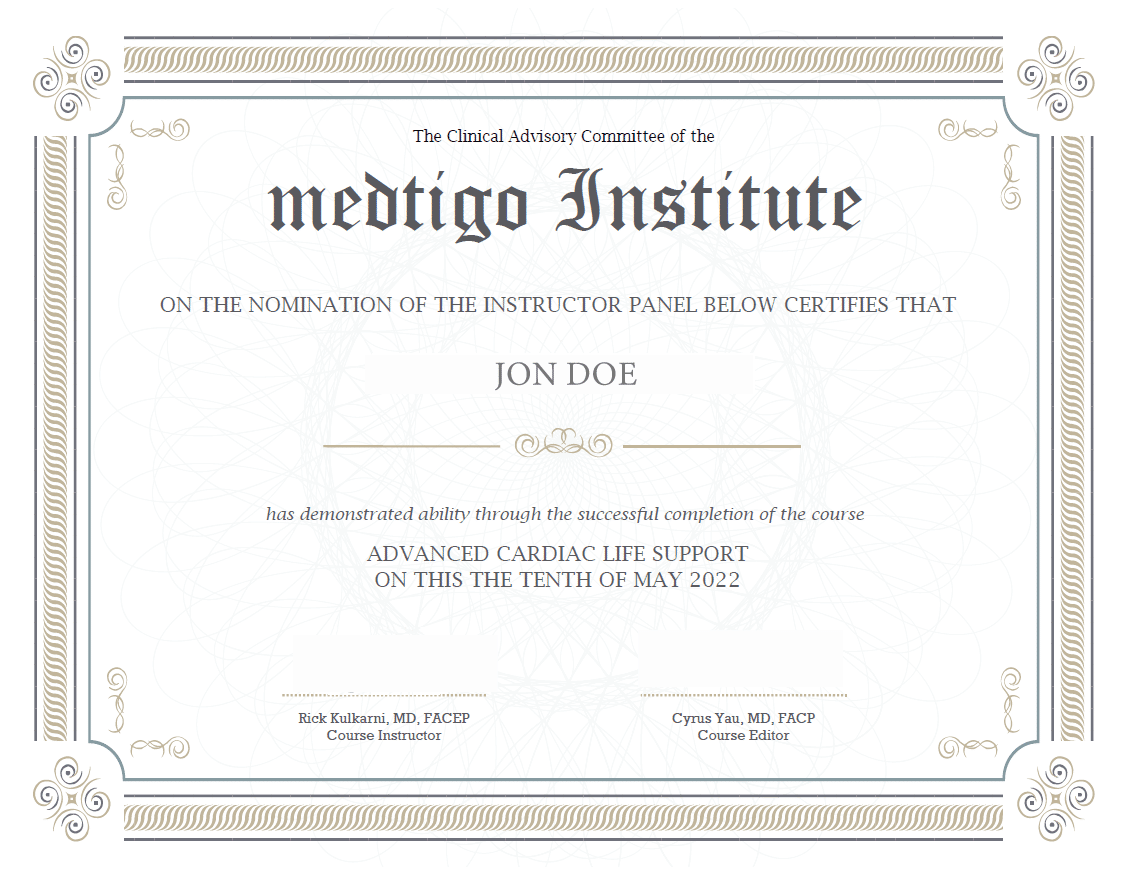
On course completion, you will receive a full-sized presentation quality digital certificate.
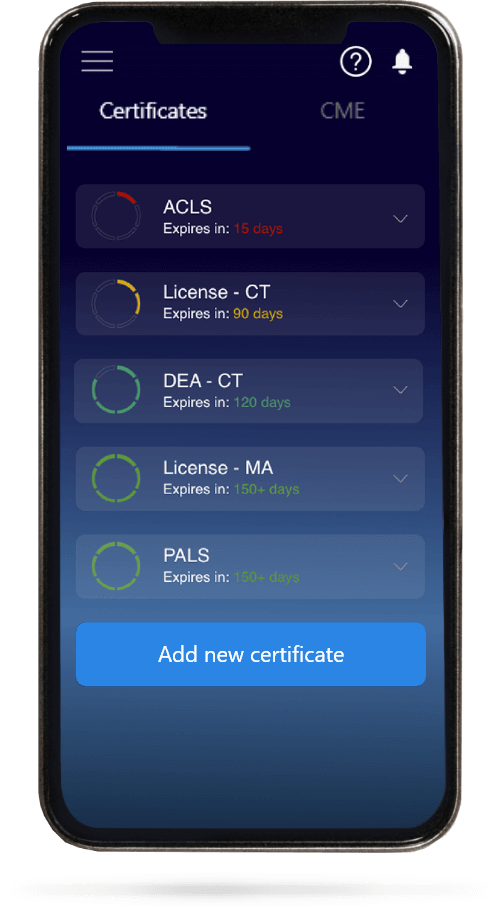
When you have your licenses, certificates and CMEs in one place, it's easier to track your career growth. You can easily share these with hospitals as well, using your medtigo app.