ASQ-PHI Introduced: A Novel Benchmark Balancing Clinical Data Privacy and Search Utility
April 17, 2026




Brand Name :
Bronchitol, Aridol
Synonyms :
mannitol inhalation
Class :
Pulmonary




Brand Name :
Bronchitol, Aridol
Synonyms :
mannitol inhalation
Class :
Pulmonary
Dosage Forms & Strengths
Capsule
40 mg
Additional maintenance dose
400 mg two times daily by oral inhalation also, inhale all contents of every capsule separately
use a short-acting bronchodilator for 5 to 15 minutes before each dose
Dosage Modifications
Renal or hepatic impairment
No recommended dose
Dosing Considerations
Limitations of use
Not a single test for asthma
For bronchial challenge test use only as part of asthma
Dosage Forms & Strengths
Inhalation
0 mg, 20 mg, 10 mg, 5 mg, and 40 mg per kit
Every kit includes a single inhaler device for individual use and three foil blister packs that are consecutively numbered, each containing 19 capsules of dry powder
Refer to adult dosing
the nephrotoxic effects of aminoglycosides may be enhanced by mannitol
neomycin/polymyxin B/bacitracin topical
the nephrotoxic effects of aminoglycosides may be enhanced by mannitol
the nephrotoxic effects of aminoglycosides may be enhanced by mannitol
the nephrotoxic effects of aminoglycosides may be enhanced by mannitol
the nephrotoxic effects of aminoglycosides may be enhanced by mannitol
Actions and Spectrum
When mannitol is breathed, it functions as an osmotic agent, drawing water into the airways. The thick mucus in the airways is hydrated and made easier to cough up and expel from the lungs thanks to the osmotic impact. mannitol inhalation can enhance lung function and lower the risk of respiratory infections by encouraging mucus clearance.
The variety of illnesses for which mannitol inhalation is recommended and proven beneficial is referred to as the mannitol inhalation spectrum. Cystic fibrosis, a hereditary condition that damages the lungs and other organs, is usually treated by mannitol inhalation.
Frequency defined
1-10%
For Aridol
Adults
Nausea (2%);
Headache (6%)
Wheezing (1%)
Dizziness (1%)
Rhinorrhea (2%)
Retching (1%)
Chest discomfort (1%)
Pharyngolaryngeal pain (2%)
Dyspnea (1%)
Cough (2%)
Throat irritation (2%)
Children
Pharyngolaryngeal pain, children (4%)
Nausea, children (3%)
Headache, children (3%)
For Bronchitol
Arthralgia (3.1%)
Bacterial sputum identified (6.8%)
Pyrexia (4.6%)
Oropharyngeal pain (7%)
Vomiting (3.1%)
>10%
For Bronchitol
Hemoptysis (10.4%)
Cough (15%)
Post marketing reports
For Aridol
Severe bronchospasm
Cough, decreased forced expiratory volume, gagging and wheeze
Black Box Warning
mannitol inhalation does not have any black box warning.
Contraindication/Caution:
Contraindication:
Caution:
Pregnancy warnings:
Pregnancy category: N/A
Lactation: Excretion into human milk is unknown
Pregnancy Categories:
Category A: well-controlled and Satisfactory studies show no risk to the fetus in the first or later trimester.
<b>Category B: there was no evidence of risk to the fetus in animal studies, and there were not enough studies on pregnant women.
Category C: there was evidence of risk of adverse effects in animal reproduction studies, and no adequate evidence in human studies must take care of potential risks in pregnant women.
Category D: adequate data with sufficient evidence of human fetal risk from various platforms, but despite the potential risk, and used only in emergency cases for potential benefits.
Category X: Drugs listed in this category outweigh the risks over benefits. Hence these categories of drugs need to be avoided by pregnant women.
Category N: There is no data available for the drug under this category.
Pharmacology
mannitol inhalation is an osmotic agent, it can suck water into the airways. It draws water into the surface liquid of the airways when inhaled, which hydrates the mucus layer lining the airways. The mucus becomes less thick and more fluid due to the osmotic impact, making it easier for the lungs to clear the mucus.
Pharmacodynamics
mannitol inhalation improves mucus evacuation from the lungs by hydrating the body and lowering mucus viscosity. In diseases like cystic fibrosis, when the mucus is thick and sticky and hinders normal airway clearance, this effect is especially significant.
Inhaling mannitol makes it easier to cleanse the airways of mucus through coughing or other methods.
Pharmacokinetics
Absorption
mannitol particles are inhaled and go to the lungs where they are dissolved in the liquid that coats the airways. mannitol mostly operates locally in the airways and does not experience significant systemic absorption, hence there is little absorption into the systemic circulation.
Distribution
mannitol can move around the body freely in the extracellular fluid. After inhalation, distribution to tissues outside the lungs is low due to its weak systemic absorption.
Metabolism
The body does not considerably metabolize mannitol inhalation. It is an already-active sugar alcohol that doesn’t need to undergo biotransformation.
Elimination and excretion
mannitol inhalation is eliminated in urine undigested. It is taken in and enters the systemic circulation after inhalation is filtered by the kidneys before being quickly excreted from the body through urine.
Administration
mannitol inhalation is administered using a dry powder inhaler (DPI) device.
Patient information leaflet
Generic Name: mannitol inhalation
Why do we use mannitol inhalation?
The use of mannitol inhalation is recommended for cystic fibrosis (CF) patients. The mucus in the airways thickens and sticks together in CF, making it difficult to remove normally and increasing the risk of respiratory infections.
By hydrating and thinning the mucus, mannitol inhalation facilitates the mucus evacuation from the lungs and lowers the risk of infectio

Both our subscription plans include Free CME/CPD AMA PRA Category 1 credits.

On course completion, you will receive a full-sized presentation quality digital certificate.
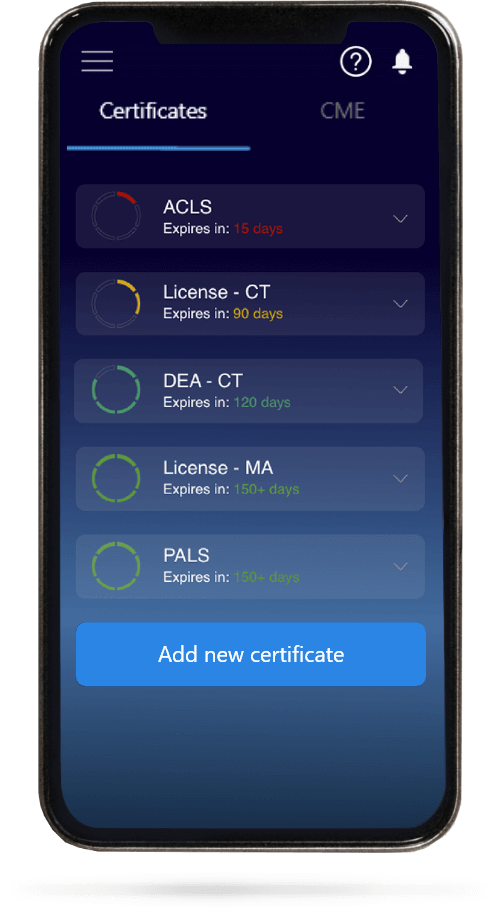
When you have your licenses, certificates and CMEs in one place, it's easier to track your career growth. You can easily share these with hospitals as well, using your medtigo app.