Hidden Risks of Exosome Injections in Pain Management
April 8, 2026




Brand Name :
Rohto Cool, Albalon, AKCon, All Clear, Naphcon, Bausch & Lomb
Synonyms :
sanorin, privine, rinazin, nafazir
Class :
Decongestants, Ophthalmic, Alpha Agonists



Brand Name :
Rohto Cool, Albalon, AKCon, All Clear, Naphcon, Bausch & Lomb
Synonyms :
sanorin, privine, rinazin, nafazir
Class :
Decongestants, Ophthalmic, Alpha Agonists
Dosage Forms & Strengths
Ophthalmic Solution
0.1%
0.02%
0.012%
Dosage Forms & Strengths
Ophthalmic Solution
0.012%
0.03%
0.1%
Refer to the adult dosing
Actions and Spectrum:
naphazoline acts as an alpha-adrenergic agonist, causing constriction of blood flow to the eyes and alleviating swelling associated with eye irritation or allergies. By constricting the blood vessels, naphazoline reduces blood flow to the eyes, alleviating eye redness and puffiness.
It is important to note that naphazoline provides temporary relief and is not a treatment for the underlying cause of the eye condition. naphazoline ophthalmic preparations are formulated explicitly for eye-related conditions and symptoms.
Frequency not defined
Mild transient stinging
Increased/decreased intraocular pressure
Mydriasis
Headache
Blurred vision
Black Box Warning:
None
Contraindication/Caution
Pregnancy consideration:
Category C.
Breastfeeding warnings:
Not known if the drug is secreted in breast milk.
Pregnancy category:
Pharmacology:
naphazoline stimulates alpha-adrenergic receptors on the smooth muscle cells of blood vessels in the eyes. This constricts the blood vessels, reducing blood flow and decreasing redness and swelling.
Similar to its effects in the eyes, it causes vasoconstriction in the nasal blood vessels, relieving congestion and reducing nasal swelling. Activating alpha-adrenergic receptors increases the release of norepinephrine, a neurotransmitter that regulates blood vessel tone.
Pharmacodynamics:
naphazoline has minimal systemic absorption when used as directed in ophthalmic or nasal preparations. Its effects are primarily localized to the administration site, reducing the risk of widespread side effects or interactions with other medications. The duration of naphazoline’s effects can vary, but it is generally short-lived. Repeated doses may be required for sustained relief of symptoms.
Pharmacokinetics:
Absorption
The drug is absorbed minimally absorbed systemically.
Distribution
After absorption, naphazoline distributes locally in the eye tissues, primarily targeting the blood vessels within the conjunctiva and surrounding areas. Systemic distribution is minimal due to limited systemic absorption.
Metabolism
naphazoline undergoes hepatic metabolism, primarily through enzymatic oxidation. The specific metabolic pathways and metabolites produced need to be well-documented for naphazoline. However, it is generally considered to undergo extensive first-pass metabolism in the liver.
Elimination and Excretion
Metabolized naphazoline and its metabolites are excreted primarily through the kidneys. The exact elimination half-life of naphazoline ophthalmic is not readily available. Still, it is generally expected to be relatively short due to the rapid onset and short drug action duration.
Administration:
Wash your hands thoroughly. Tilt your head back or lie down: To administer the eye drops, tilt your head slightly or lie down on a flat surface, looking upward. Pull down the lower eyelid with one hand to create a small pocket. Hold the eye drop bottle or container above the eye and squeeze it gently into the lower eyelid.
Close your eyes gently after instilling the eye drops. This helps distribute the medication evenly over the surface of the eye. After closing your eyes, apply gentle pressure with a clean finger to the corner of your eye near the nose. This helps prevent the eye drops from draining into the tear duct and being absorbed systemically.
If your healthcare professional prescribes multiple eye drops, wait for the specified amount (usually a few minutes) before repeating the process for additional drops. Most eye drops should be stored at room temperature, away from direct sunlight or excessive heat.
Patient information leaflet
Generic Name: naphazoline ophthalmic
Pronounced: na-FAZ-oh-leen awf-thal-muhk
Why do we use naphazoline ophthalmic?
It relieves congestion, eye allergies, conjunctivitis, and ocular irritation. It is important to note that naphazoline ophthalmic temporarily relieves symptoms and does not treat the condition’s underlying cause. If you have persistent or worsening eye redness, itching, or any other concerning symptoms, it is advisable to consult a healthcare professional.

Both our subscription plans include Free CME/CPD AMA PRA Category 1 credits.

On course completion, you will receive a full-sized presentation quality digital certificate.
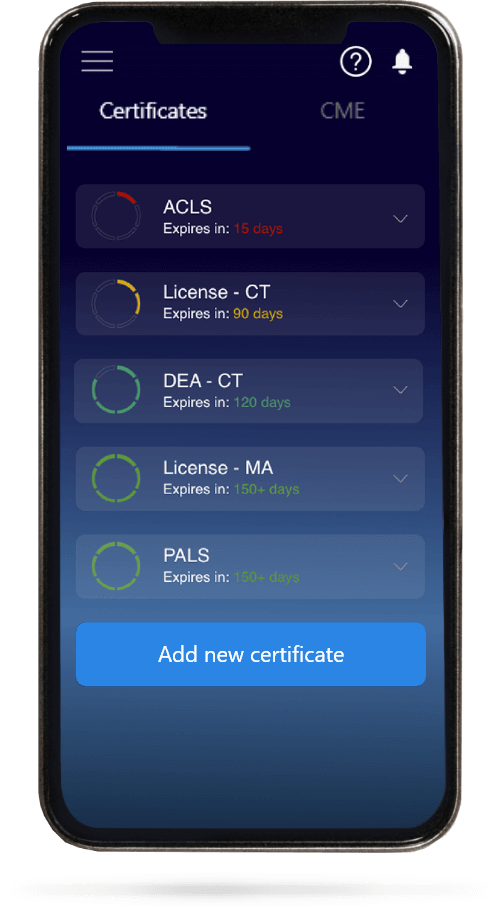
When you have your licenses, certificates and CMEs in one place, it's easier to track your career growth. You can easily share these with hospitals as well, using your medtigo app.