Hidden Risks of Exosome Injections in Pain Management
April 8, 2026




Brand Name :
Nilandron
(United States) [Available]Synonyms :
nilutamide
Class :
Antineoplastic agents & Antiandrogens



Brand Name :
Nilandron
(United States) [Available]Synonyms :
nilutamide
Class :
Antineoplastic agents & Antiandrogens
Dosage Forms & Strengths
Tablet, Oral:
150 mg
50 mg
Initial dose:
300
mg
Tablet
Orally
once a day
30
days
Maintenance dose:
150
mg
Tablet
Orally
once a day
continue until disease progression or severe health side effects
Dose Adjustments
• Mild or moderate impairment: no significant dose adjustment provided • Serious hepatic impairment: Avoid the use of nilutamide • Hepatotoxic during treatment (ALT > 2 x ULN or jaundice): permanently terminate the treatment
No safe dosing is established
Refer to adult dosing
it may increase the adverse toxic effects of alcohol such as facial flushing, malaise, hypotension
antiandrogens may reduce the therapeutic efficacy of choline C11
antiandrogens may reduce the therapeutic efficacy of gallium Ga 68 PSMA
Antiandrogens may reduce the therapeutic efficacy of indium 111
antiandrogens may reduce the diagnostic efficacy of piflufolastat
It may diminish its effectiveness when combined with flotufolastat F-18
Actions and spectrum:
Nilutamide is a nonsteroidal drug that binds to androgen receptors. It blocks these receptors and stops hormones from stimulating prostate cancer cell growth. Nilutamide prevents excessive androgen activity. It treats advanced prostate cancer where androgens make the disease worse. Nilutamide binds competitively to receptors. This stops the effects of testicular hormones on prostate cancer cells. Nilutamide’s mechanism of action is valuable for prostate cancer treatment. It targets androgen-driven disease progression.
Frequency defined
>10%
Altered adaptation to dark (13%)
Testicular atrophy (16%)
Dyspnea (11%)
Insomnia (undefined)
Hot flushes (28%)
Heachache (undefined)
1-10%
Nausea (10%)
Diarrhea
Aplastic anemia
Alcohol intolerance
Leukopenia
Angina
Syncope
HTN
Dizziness
Elevated LFTs
Malaise
Abdominal pain (10%)
Black Box Warning
No specific warnings are available
Contraindication/Caution:
Contraindication:
Hypersensitivity
Hepatic impairment
Breathing issues
Caution:
Hepatitis
Pregnancy consideration:
Pregnancy Category: C
Breastfeeding warnings:
No data is available regarding the excretion of drugs in breast milk.
Pregnancy category:
Category A: well-controlled and satisfactory studies show no risk to the fetus in the first or later trimester.
Category B: there was no evidence of risk to the fetus in animal studies, and there were not enough studies on pregnant women.
Category C: there was evidence of risk of adverse effects in animal reproduction studies, and no adequate evidence in human studies must take care of potential risks in pregnant women.
Category D: adequate data with sufficient evidence of human fetal risk from various platforms, but despite the potential risk, and used only in emergency cases for potential benefits.
Category X: Drugs listed in this category outweigh the risks over benefits. Hence these categories of drugs need to be avoided by pregnant women.
Category N: No data is available for the drug under this category.
Pharmacology:
Nilutamide works as a medicine that stops male hormones. It has two key roles. Firstly, it blocks the effects of male hormones, making it useful for treating prostate cancer. Secondly, it directly fights cancer cells and stops them from growing. These two actions make Nilutamide effective against prostate cancer.
Pharmacodynamics:
Nilutamide is selective. It binds to androgen receptors linked to male hormones. However, it doesn’t interact with estrogen, progesterone, or glucocorticoid receptors. This selective binding allows nilutamide to disrupt androgen activity. As a result, it helps treat prostate cancer.
Pharmacokinetics:
Absorption
Nilutamide is fully absorbed when taken.
Distribution
Around 84% binds to proteins as it moves through the body.
Metabolism
The liver breaks it down.
Elimination and excretion
Most (62%) leaves through urine. A small amount (4%) exits in bowel movements. Its half-life lasts 41 to 49 hours.
Half-life:
41-49 hours
Administration:
Nilutamide, a medicine, gets taken by mouth. You can have it with food or without. It’s given once daily. Doctors often start it on surgery day or after surgery. The treatment plan decides when to begin.
Generic Name: nilutamide
Pronounced: nih-LOO-tuh-mide
Why do we use nilutamide?
Nilutamide is prescribed alongside surgical treatment for men with metastatic prostate cancer, meaning the cancer has spread beyond the prostate. It is classified as an antiandrogen, a type of medication that blocks the action of testosterone. By interfering with this male hormone, nilutamide helps slow or prevent the growth and spread of cancer cells.

Both our subscription plans include Free CME/CPD AMA PRA Category 1 credits.
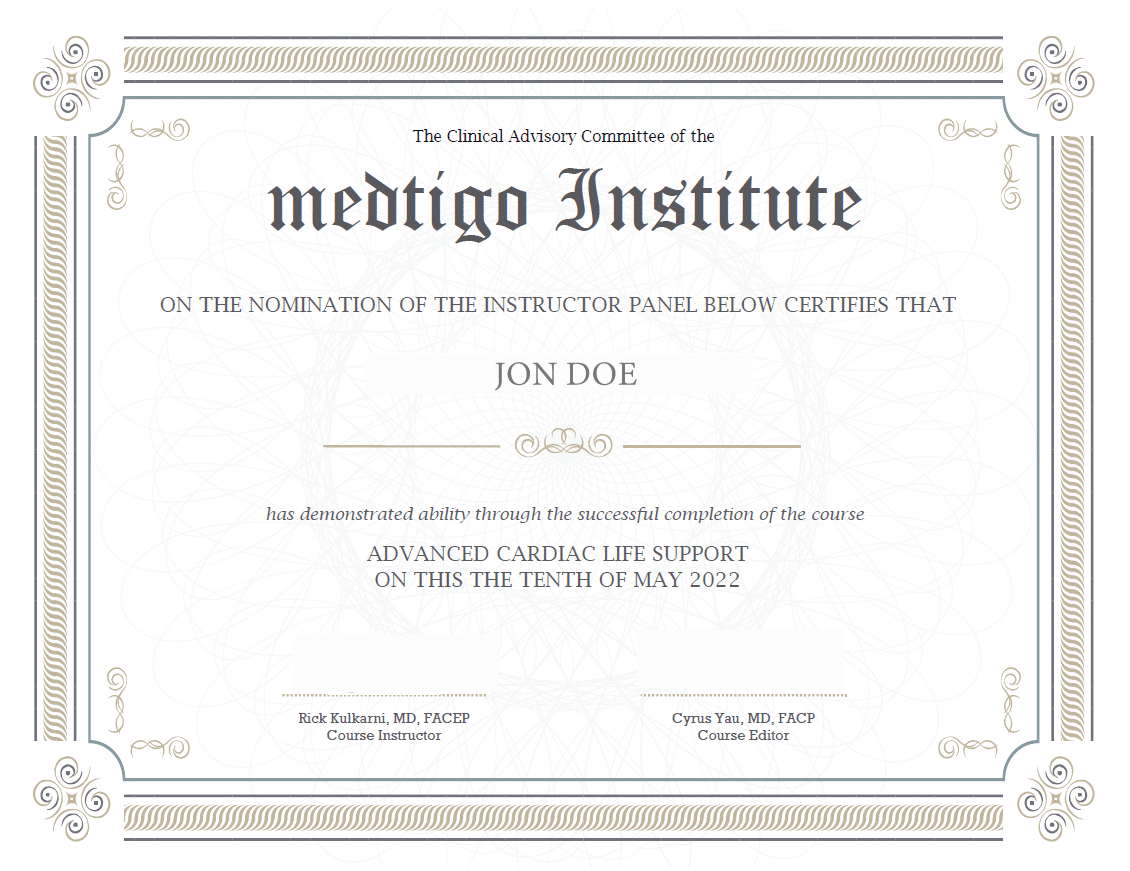
On course completion, you will receive a full-sized presentation quality digital certificate.
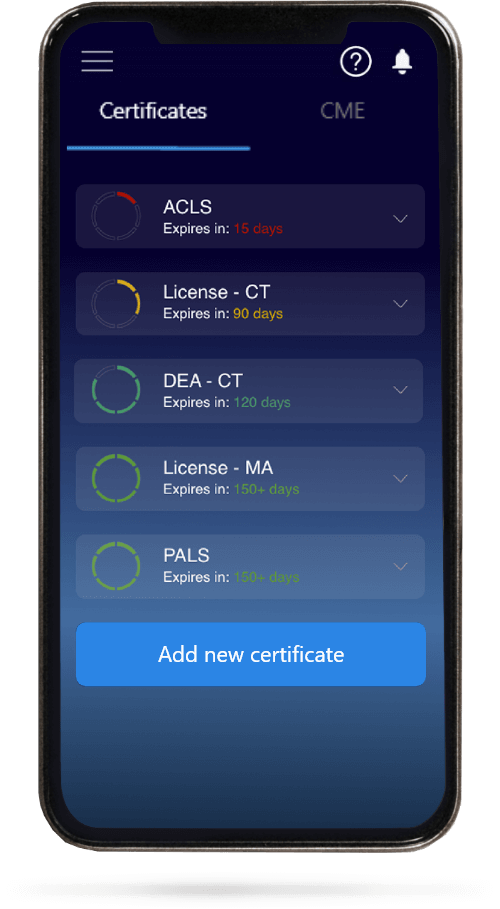
When you have your licenses, certificates and CMEs in one place, it's easier to track your career growth. You can easily share these with hospitals as well, using your medtigo app.