Hidden Risks of Exosome Injections in Pain Management
April 8, 2026




Brand Name :
Imaavy, nipocalimab-aahu
Synonyms :
Nipocalimab
Class :
Fc Receptor Antagonists



Brand Name :
Imaavy, nipocalimab-aahu
Synonyms :
Nipocalimab
Class :
Fc Receptor Antagonists
Dosage forms & Strengths:
Adult
Solution
185mg/ml
Administer initial dose of 30 mg/kg through intravenous route one time
Administer maintenance dose of 15 mg/kg through intravenous route starting 2 weeks after initial dose then continue maintenance dose every 2 weeks
Pediatric
Solution
185mg/ml
For ≥12 years old
Administer initial dose of 30 mg/kg through intravenous route one time
Administer maintenance dose of 15 mg/kg through intravenous route starting 2 weeks after initial dose then continue maintenance dose every 2 weeks
Dosing Considerations
Assess need for age-appropriate vaccines.
Live vaccines not recommended during nipocalimab treatment due to IgG reduction.
Geriatrics
Refer as per adult dose
Nipocalimab is a monoclonal antibody that blocks FcRn to reduce circulating IgG antibodies effectively.
Myasthenia gravis is an autoimmune disease with IgG antibodies which targets AChR and junctions.
FcRn extends IgG lifespan to blocks it decreases IgG and autoantibody levels without immunosuppression.
Frequency defined
>10%
Respiratory tract infection
Muscle spasm
Fasting LDL cholesterol
Hypersensitivity reactions
Fasting total cholesterol
Peripheral edema
1-10%
Pyrexia
Diarrhea
Abdominal pain
Oral infection
Dizziness
Nausea
Back pain
Cough
Anemia
Urinary tract infection
Herpes zoster and Herpes simplex
Hypertension
Insomnia
Black Box Warning
None
Contraindication / Caution:
Contraindication
Hypersensitivity reaction
Caution
Infections
Infusion-related reactions
Avoid live vaccines
Pregnancy / Lactation:
Pregnancy Warnings:
Pregnancy category: N/A
Lactation: Excreted in human colostrum and breastmilk
Pregnancy categories:
Category A: Satisfactory and well-controlled studies show no evidence of risk to the fetus in the first trimester or in the later trimester.
Category B: No evidence of risk to fetus found in animal reproduction studies and there are not enough studies on pregnant women.
Category C: Adverse effects on the fetus found with evidence in animal reproduction studies and no adequate evidence for an effect in humans, care must be taken for potential risks in pregnant women.
Category D: There is adequate data available with sufficient evidence of human fetal risk from various platforms, but despite potential risks may be used only in emergency cases for potential benefits.
Category X: Drugs listed in this category clearly outweigh risks over benefits. These category drugs should be prohibited for pregnant women.
Category N: There is no data available for the drug under this category.
Pharmacology
The increased IgG catabolism reduces total and pathogenic IgG levels significantly.
Nipocalimab does not lower IgM or IgA and not suppress immune system.
Impaired FcRn recycling causes increased IgG degradation and reduced total circulating IgG levels.
Pharmacodynamics
FcRn binds and recycles IgG antibodies from acidic to neutral pH to release them into circulation.
Nipocalimab blocks IgG recycling by binding FcRn with high affinity at acidic and neutral pH.
Reduction of IgG can exceed 75% based on dosage.
Pharmacokinetics
Distribution:
It shows volume of distribution of 2.67 L.
Metabolism:
It degraded into peptides and amino acids by proteolytic enzymes.
Elimination and excretion:
It has a half-life of 29.3 hours.
Its clearance rate is relatively low around 0.0627 L/hr.
Administration
It is administered through intravenous route in solution form. Administer IV with sterile filter using infusion set and add-on.
Monitor 30 minutes post-infusion for infusion-related or hypersensitivity reactions.
Resume maintenance dose as soon as possible in case of missed dose.
Diluted solution should be protected from light.
Use or discard diluted solution within 12 hours after preparation.
Patient information leaflet
Generic Name: Nipocalimab
Why do we use Nipocalimab?
Nipocalimab is used in treatment generalized myasthenia gravis in anti-acetylcholine receptor (AChR) or antimuscle-specific tyrosine kinase (MuSK) antibody positive patients.
It is used to prevent maternal IgG alloantibodies from crossing the placenta.
Both our subscription plans include Free CME/CPD AMA PRA Category 1 credits.
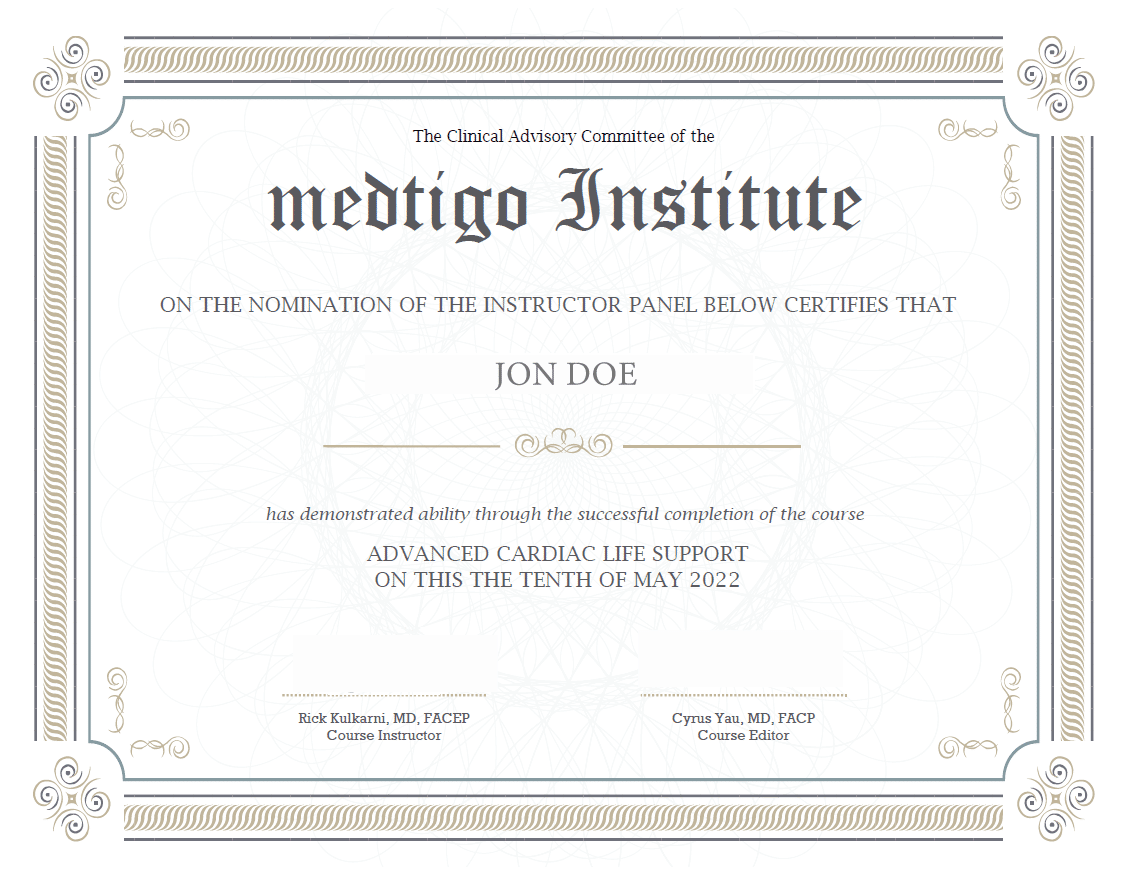
On course completion, you will receive a full-sized presentation quality digital certificate.
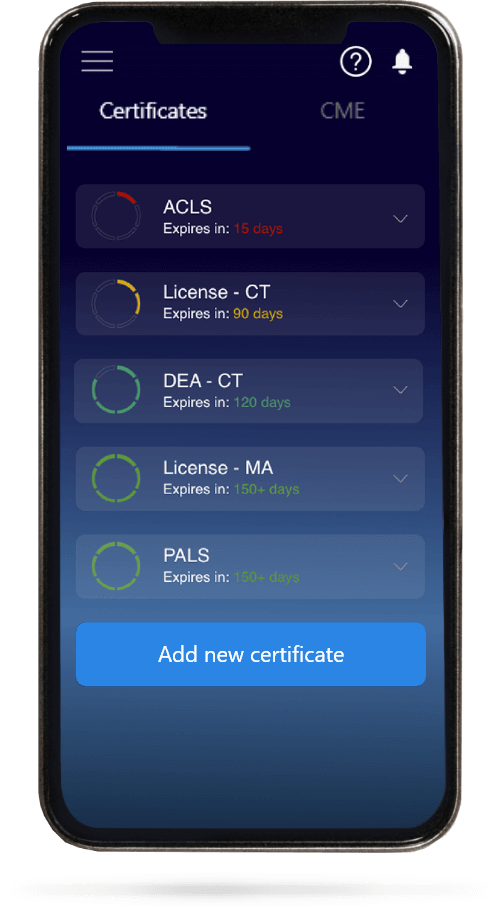
When you have your licenses, certificates and CMEs in one place, it's easier to track your career growth. You can easily share these with hospitals as well, using your medtigo app.