Hidden Risks of Exosome Injections in Pain Management
April 8, 2026




Brand Name :
omlonti
Synonyms :
Omidenepag isopropyl
Class :
Antiglaucoma



Brand Name :
omlonti
Synonyms :
Omidenepag isopropyl
Class :
Antiglaucoma
Dosage Forms & Strengths
Ophthalmic solution
0.002%
Instill 1 drop in the affected eye every day in the evening
Dosage Forms & Strengths
Safety and efficacy not established
Refer adult dosing
Frequency defined:
1-10%
Photophobia
Dry eye
Eye pain
Punctate keratitis
Eye irritation
Hyperemia
Blurred vision
Pain at the site of instillation
Ocular hyperemia
Headache
Visual impairment
Pregnancy consideration: Insufficient data available
Lactation: Excretion of the drug in human breast milk is unknown
Pregnancy category:
Category A: well-controlled and Satisfactory studies show no risk to the fetus in the first or later trimester.
Category B: there was no evidence of risk to the fetus in animal studies, and there were not enough studies on pregnant women.
Category C: there was evidence of risk of adverse effects in animal reproduction studies, and no adequate evidence in human studies must take care of potential risks in pregnant women.
Category D: adequate data available with sufficient evidence of human fetal risk from various platforms, but despite the potential risk, and used only in emergency cases for potential benefits.
Category X: Drugs listed in this category outweigh the risks over benefits. Hence these categories of drugs need to be avoided by pregnant women.
Category N: There is no data available for the drug under this category
Patient information leaflet
Generic Name: Omidenepag isopropyl
Pronounced: (oh” mi den’ e pag eye” soe proe’ pil)
Why do we use Omidenepag isopropyl?
Omidenepag isopropyl is a chemical compound that belongs to a class of compounds called prostaglandin analogs. It is an active ingredient in Travatan Z, which treats open-angle glaucoma and ocular hypertension (high pressure in the eye).
Omidenepag isopropyl works by increasing the outflow of aqueous humor, the fluid that circulates within the eye, from the posterior chamber of the eye to the anterior chamber. This helps reduce the pressure in the eye, preventing further damage to the optic nerve and preserving vision.
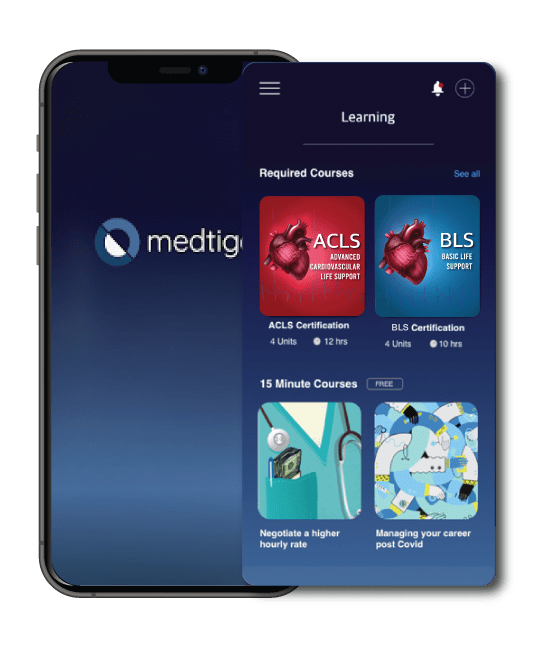
Both our subscription plans include Free CME/CPD AMA PRA Category 1 credits.
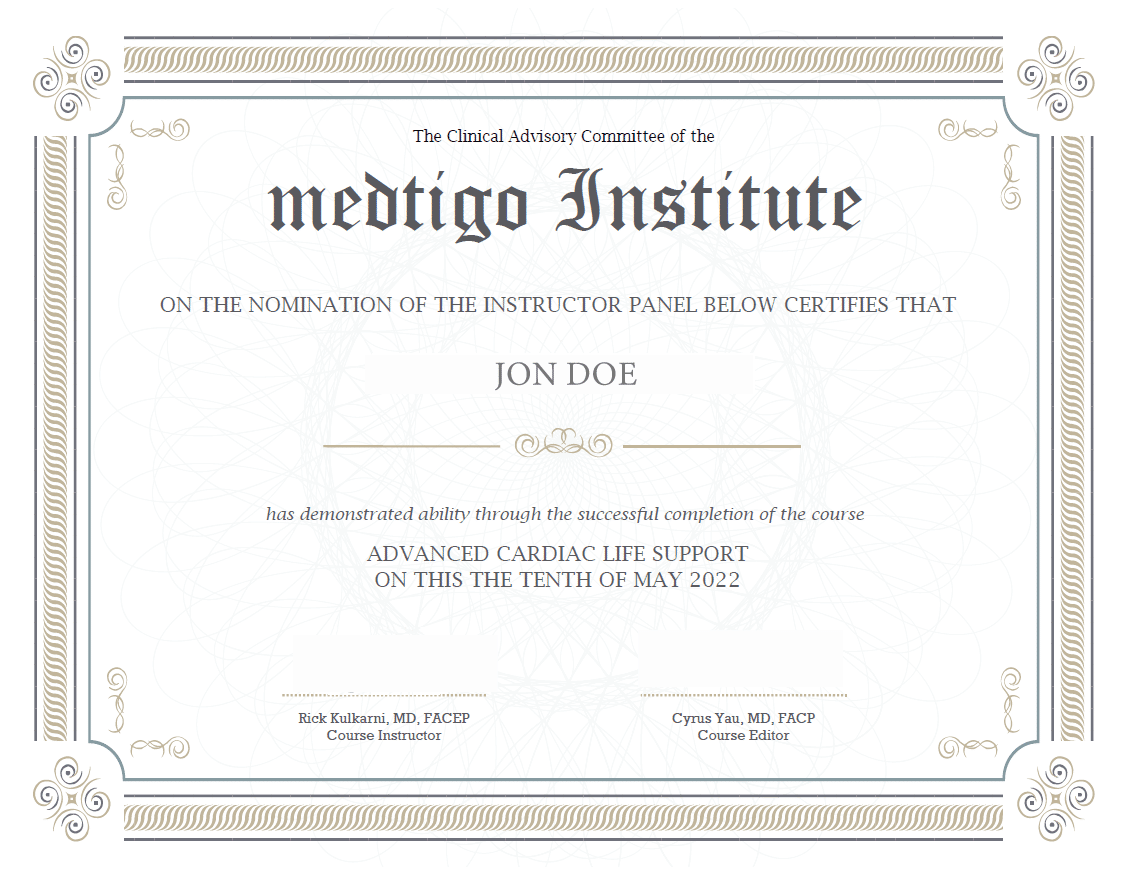
On course completion, you will receive a full-sized presentation quality digital certificate.
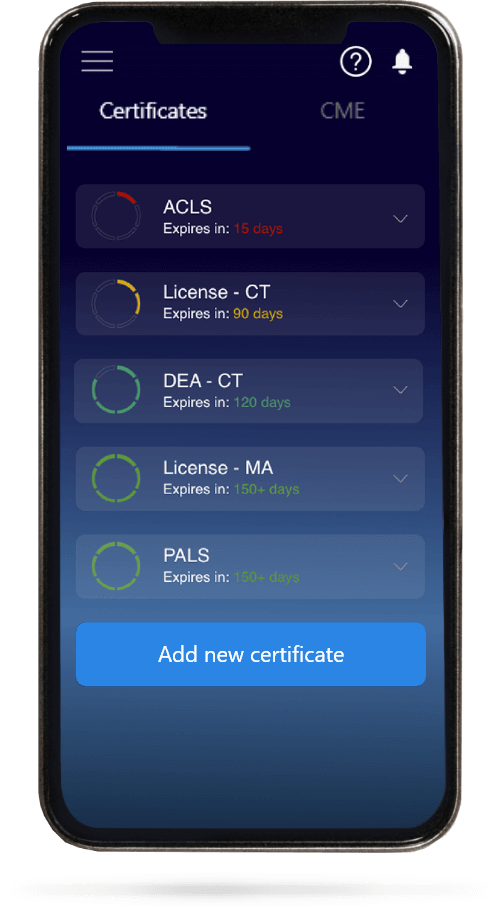
When you have your licenses, certificates and CMEs in one place, it's easier to track your career growth. You can easily share these with hospitals as well, using your medtigo app.