Hidden Risks of Exosome Injections in Pain Management
April 8, 2026




Brand Name :
Oxytrol
(United States) [Available]Synonyms :
Class :
Anticholinergic and Urinary antispasmodics



Brand Name :
Oxytrol
(United States) [Available]Synonyms :
Class :
Anticholinergic and Urinary antispasmodics
Dosage Forms & Strengths
Tablet
5mg
Tablet-ER
5mg
10mg
15mg
Syrup
5mg/5ml
Dosage Forms & Strengths:
Tablet
5mg
Tablet-ER
5mg
10mg
15mg
Syrup
5mg/5ml
When encainide is used together with oxybutynin, this leads to a reduction in the encainide’s metabolism
Adverse drug reactions:
Frequency Defined
>10%
Dry mouth
Somnolence
Nausea
1-10%
Dry eyes
Diarrhea
Asthenia
Dizziness
Headache
Pain
Rhinitis
Blurred vision
Nausea
<1%
Dysphagia
Frequent bowel movements
Chest discomfort
Thirst
Anorexia
Fluid retention
Hot flush
Dysphonia
Frequency Not Defined
Cycloplegia
Memory impairment
Mydriasis
Tachycardia
Impairment of mental alertness
Pregnancy warnings:
Pregnancy category: N/A
Breastfeeding warnings:
The release of the drug into the human breastmilk is unknown
Pregnancy Categories:
Category A: Satisfactory and well-controlled studies show no risk to the fetus in the first or later trimester.
Category B: No evidence shown of risk to the fetus found in animal reproduction studies, and there are not enough studies on pregnant women
Category C: Adverse effects on the fetus found with evidence in animal reproduction studies and no adequate evidence for a result in humans must take care of potential risks in pregnant women
Category D: There is adequate data available with sufficient evidence of human fetal risk from various platforms, but despite the potential risk, and used only in emergency cases for potential benefits
Category X: Drugs listed in this category outweigh risks over benefits. Hence these categories of drugs need to be avoided by pregnant women.
Category N: There is no data available for the drug under this category
Patient Information Leaflet
Generic Name: oxybutynin
Pronunciation: OX-i-BUE-ti-nin
Why do we use oxybutynin?
oxybutynin belongs to the class of anticholinergic agents used to treat muscle spasms of the bladder, overactive bladder, and Detrusor Overactivity in pediatrics
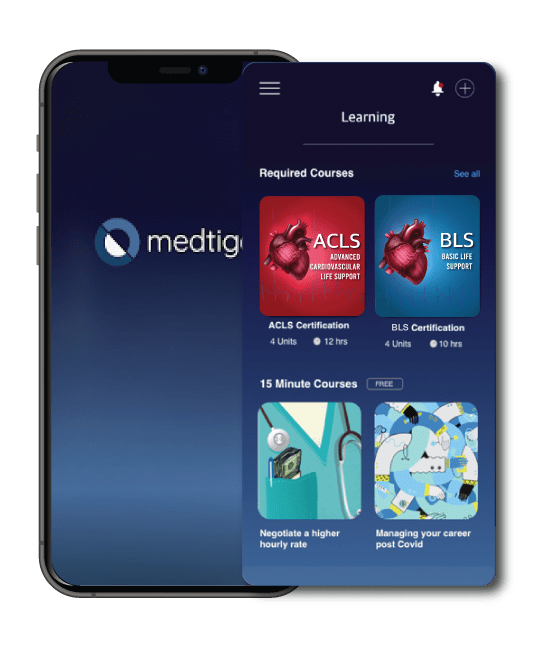
Both our subscription plans include Free CME/CPD AMA PRA Category 1 credits.
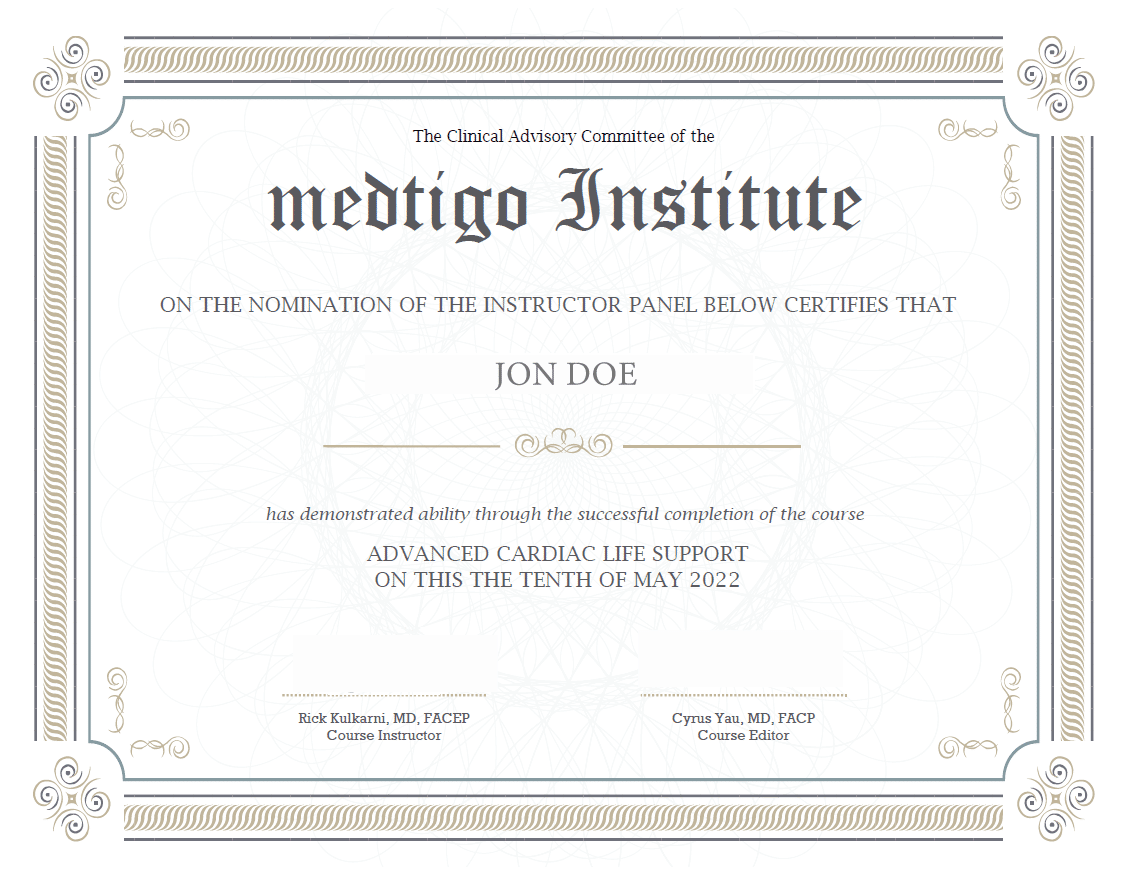
On course completion, you will receive a full-sized presentation quality digital certificate.
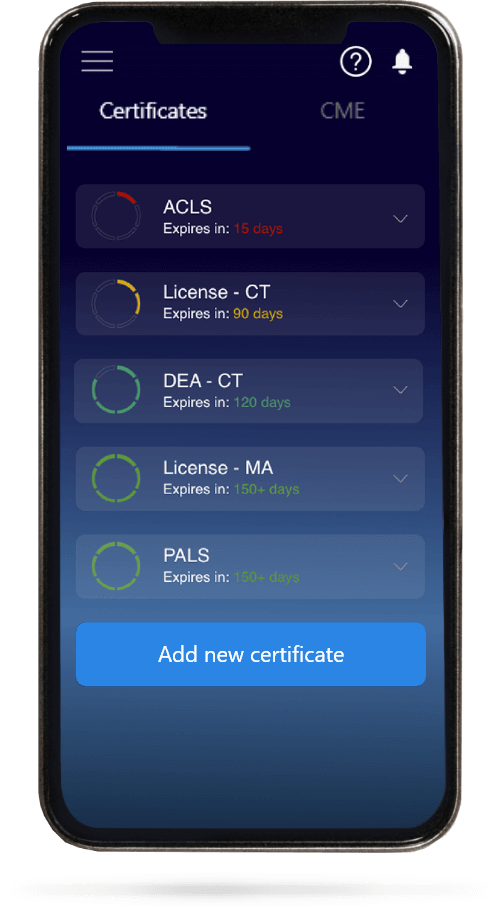
When you have your licenses, certificates and CMEs in one place, it's easier to track your career growth. You can easily share these with hospitals as well, using your medtigo app.