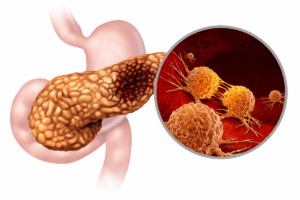
Ostarine: The ‘Invisible’ Doping Threat Trapping Innocent Athletes
February 18, 2026




Brand Name :
Neuleptil
Synonyms :
pericyazine
Class :
Antipsychotics, First generation



Brand Name :
Neuleptil
Synonyms :
pericyazine
Class :
Antipsychotics, First generation
Dosage Forms & Strengths
Capsule
5mg
10mg
20mg
Oral Solution
10mg/ml
Initially, 5-20 mg in the morning
Later 10-40 mg in the evening\
Based on response and tolerability, increase the dose
Maintenance dose- Decrease dose to a lowest effective one
A reduction of 2.5 mg in the morning and 15 mg in the evening is considered
Dosage Forms & Strengths
Capsule
5mg
10mg
20mg
Oral Solution
10mg/ml
Initially, 2.5-10 mg in the morning
Later 5-30 mg in the evening
Based on response and tolerability, increase the dose
Dosage Forms & Strengths
Capsule
5mg
10mg
20mg
Oral Solution
10mg/ml
Initially, 5 mg/day orally in the morning
More than 30 mg dose per day is rarely needed
Based on response and tolerability, increase the dose
Actions and Spectrum:
Frequency undefined
Postmarketing
Diaphoresis
Pulmonary embolism
Libido change
Weight gain
Gynecomastia
Diabetic ketoacidosis
Diarrhea
Constipation
Nausea
Lactation
Inhibited ejaculation
Priapism
Hepatic injury
Agitation
Insomnia
Hyperpyrexia
Nasal congestion
Black Box Warning:
Geriatric patients who have psychosis related to dementia and undergo treatment with antipsychotic drugs are more prone to death as compared to placebo.
Contraindication/Caution:
There are several contraindications and precautions associated with the use of pericyazine. These include:
Pregnancy consideration:
Category C
Breastfeeding warnings:
Not recommended during lactation
Pregnancy category:
Pharmacology:
pericyazine is a medication that belongs to the class of antipsychotic drugs, specifically the phenothiazine group. It has several pharmacological actions and effects on the body, including:
Pharmacodynamics:
Pharmacokinetics:
Absorption
pericyazine is rapidly absorbed after oral administration
The peak plasma concentration is reached in 1-2 hours.
Distribution
pericyazine is highly lipophilic, crosses the blood-brain barrier, and enters the central nervous system. It is also highly protein-bound (over 90%), which can limit its distribution to tissues.
Metabolism
pericyazine is extensively metabolized in the liver by cytochrome P450 enzymes, specifically the CYP2D6 and CYP3A4. These enzymes convert pericyazine to several metabolites, then excreted in the urine.
Elimination and Excretion
pericyazine and its metabolites are primarily excreted in the urine, with a small amount excreted in the feces. The elimination half-life of pericyazine is around 12 hours.
Administration:
pericyazine is usually administered orally in the form of tablets or capsules.
pericyazine should be taken with food or milk to improve absorption and reduce gastrointestinal side effects. The capsules or tablets should be swallowed and not crushed, broken, or chewed.
A missed dose should be taken as soon as possible. If the missed one is close to the next scheduled dose, skip the missed dose and resume the regular one. Do not double the missed dose.
pericyazine should not be abruptly discontinued, which can lead to withdrawal symptoms. The dosage should be gradually reduced under the supervision of a healthcare provider.
Patient information leaflet
Generic Name: pericyazine
Pronounced: pair-eh-SY-uh-zeen
Why do we use pericyazine?
pericyazine is an antipsychotic medication that primarily treats psychotic disorders such as schizophrenia and other conditions that involve severe disturbances in thinking, perception, and behavior.
In addition to its antipsychotic properties, pericyazine has sedative and anti-anxiety effects, which can help manage agitation and anxiety associated with certain mental health conditions.
pericyazine may also be used off-label to treat other conditions, such as anxiety, bipolar disorder and depression, but its use for these conditions is less common.

Both our subscription plans include Free CME/CPD AMA PRA Category 1 credits.

On course completion, you will receive a full-sized presentation quality digital certificate.

When you have your licenses, certificates and CMEs in one place, it's easier to track your career growth. You can easily share these with hospitals as well, using your medtigo app.