Hidden Risks of Exosome Injections in Pain Management
April 8, 2026




Brand Name :
Milontin
Synonyms :
phensuximide
Class :
Succinimide anticonvulsants



Brand Name :
Milontin
Synonyms :
phensuximide
Class :
Succinimide anticonvulsants
Dosage forms and strengths
Tablet
0.5 mg
1 mg
The suggested dose is 0.5 mg to 1 mg twice or thrice a day orally
Not indicated
Refer adult dosing
Action:
Phensuximide acts as a guardian to prevent seizures by inhibiting the flow of calcium into nerve cells. This regulation of communication among brain cells tunes the brain signals to either prevent seizures or reduce their intensity.
Spectrum:
Phensuximide works really well for treating absence seizures. This kind of seizure is known for brief moments where the person stares into space and seems unaware. Phensuximide is usually the first choice for treating absence seizures because it’s so good at preventing them from happening. It may not work as well, though, for other seizure types like tonic-clonic seizures (grand mal) or focal seizures. These involve different symptoms and brain activity patterns.
Frequency not defined
Loss of coordination
Headache
Diarrhea
Weight loss
Vomiting
Nausea
Abdominal pain
Dizziness
Black Box Warning:
None
Hypersensitivity
Succinimide Hypersensitivity Syndrome
Bone Marrow Depression
Pregnancy
Pregnancy warnings:
Pregnancy category: N/A
Lactation: Excreted into human milk is unknown
Pregnancy Categories:
Category A: Studies that were well-controlled and met expectations revealed no risk to the fetus in either the first or second trimester.
<b>Category B: There were a lack of studies on pregnant women and no evidence of risk to the fetus in animal experiments.
Category C: there was evidence of risk of adverse effects in animal reproduction studies, and no adequate evidence in human studies must take care of potential risks in pregnant women.
Category D: adequate data with sufficient evidence of human fetal risk from various platforms, but despite the potential risk, and used only in emergency cases for potential benefits.
Category X: Drugs listed in this category outweigh the risks over benefits. Hence these categories of drugs need to be avoided by pregnant women.
Category N: There is no data available for the drug under this category
Pharmacology:
Phensuximide is a medicine that prevents seizures. It’s mainly used to treat absences, a type of seizure.
Pharmacodynamics:
Phensuximide is a medicine that helps stop seizures. It’s used to treat absence seizures. These are seizures where you get a blank look and lose awareness for a short time. Phensuximide works by controlling brain activity to prevent these seizures from happening. It does this by adjusting the abnormal electrical signals in your brain that cause seizures. This allows you to go about your day normally without these interruptions.
Pharmacokinetics:
Absorption
Phensuximide gets absorbed well when taken by mouth. After around 4 to 8 hours, it reaches its highest level in the blood. Once it’s absorbed from the digestive system, it spreads quickly throughout the body. This allows it to reach effective concentrations everywhere.
Distribution
Phensuximide can prevent seizures in individuals with epilepsy. After ingestion, it travels to the brain. Once in the brain, Phensuximide accumulates, enabling it to function effectively.
Metabolism
Phensuximide is mostly broken down in the liver. This creates N-desmethylphensuximide, its main byproduct. This byproduct may also help with phensuximide’s therapeutic effects.
Excretion and Elimination
Phensuximide, with its metabolites, leaves the body mostly via urine. Some of it gets out through feces but that’s a smaller amount.
Administration:
The route of administration is oral.
The administration of phensuximide should strictly adhere to the prescription and guidance provided by a qualified healthcare professional. Depending on a person’s needs and medical conditions, dosage and frequency may change.
Patient information leaflet
Generic Name: phensuximide
Why do we use Phensuximide?
Phensuximide is a medicine given for absence seizures. These seizures cause short times of staring or not being aware. Phensuximide can reduce how often and how severe these seizures happen. Doctors often give phensuximide first for absence seizures, especially in kids, because it’s usually safer than other seizure medicines.
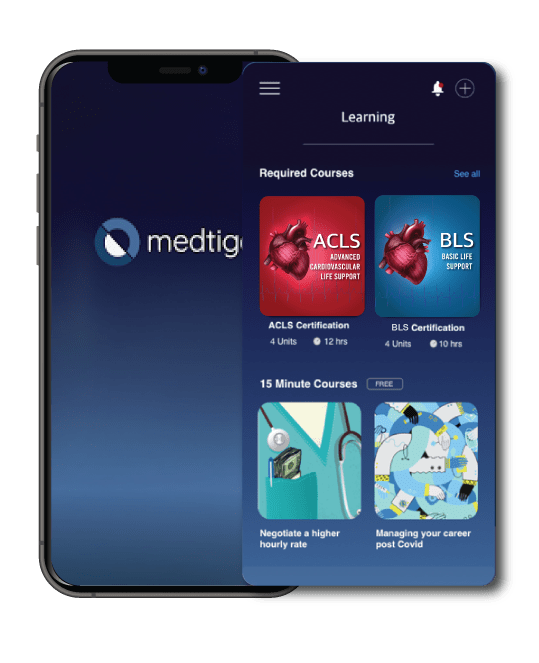
Both our subscription plans include Free CME/CPD AMA PRA Category 1 credits.
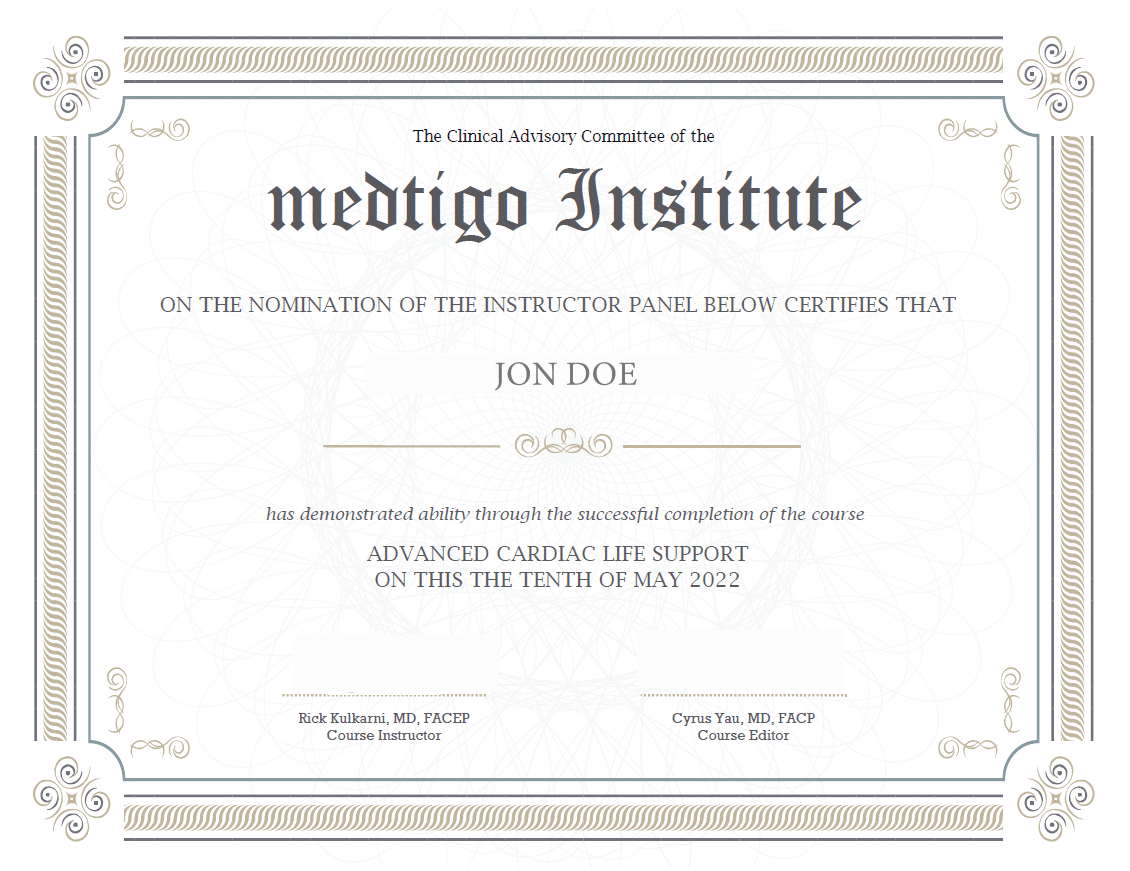
On course completion, you will receive a full-sized presentation quality digital certificate.
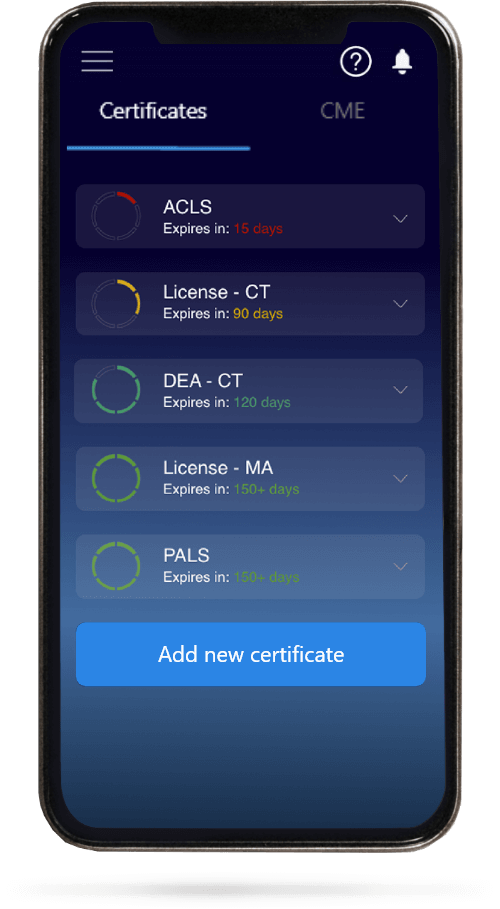
When you have your licenses, certificates and CMEs in one place, it's easier to track your career growth. You can easily share these with hospitals as well, using your medtigo app.