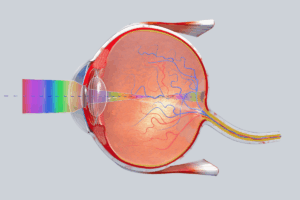
World’s First Human Implant of a 3D-Printed Cornea Restores Sight
December 15, 2025




Brand Name :
Zosyn
Synonyms :
piperacillin/tazobactam
Class :
Extended-Spectrum, Penicillins




Brand Name :
Zosyn
Synonyms :
piperacillin/tazobactam
Class :
Extended-Spectrum, Penicillins
Dosage Forms & Strengths
piperacillin/tazobactam
lyophilized powder for reconstitution, injection
(36g/4.5g)/vial: 40.5g
(4g/500mg)/vial: 4.5g
(3g/375mg)/vial: 3.375g
(2g/250mg)/vial: 2.25g
premix bag
4.5g/100mL
3.375g/50mL
2.25g/50mL
Dosage Forms & Strengths
piperacillin/tazobactam
lyophilized powder for reconstitution, injection
(36g/4.5g)/vial: 40.5g
(4g/500mg)/vial: 4.5g
(3g/375mg)/vial: 3.375g
(2g/250mg)/vial: 2.25g
premix bag
4.5g/100mL
3.375g/50mL
2.25g/50mL
Refer to the adult dosing regimen
Actions and spectrum:
piperacillin/tazobactam is a combination antibiotic that consists of piperacillin, a broad-spectrum penicillin antibiotic, and tazobactam, a beta-lactamase inhibitor that extends the spectrum of piperacillin. The combination works by inhibiting the growth and replication of bacteria through disruption of their cell wall synthesis.
piperacillin/tazobactam has a broad spectrum of activity against both gram-positive and gram-negative bacteria, including aerobic and anaerobic bacteria. The medication is effective against a wide range of organisms, including Streptococcus spp., Staphylococcus spp., Enterobacteriaceae, Pseudomonas aeruginosa, Haemophilus influenzae, and many anaerobic bacteria.
piperacillin/tazobactam has been shown to be effective in treating various infections, such as intra-abdominal infections, respiratory or urinary tract infections, skin and soft tissue infections, and sepsis. It is commonly used in hospital settings and is available in various formulations, including intravenous injections and infusions.
Frequency defined
>10%
Diarrhea (7-11%)
1-10%
Leukopenia (1%)
Hypertension (2%)
Thrombocytopenia (1.4%)
Headache (1-8%)
Constipation (1-8%)
Pain (2-3%)
Pruritus (3%)
Vomiting (2-4%)
Rash (2-4%)
Oral candidiasis (2-4%)
Fever (2-5%)
Nausea (2-7%)
Dyspepsia (3%)
Insomnia (4-7%)
<1%
Agranulocytosis
Eosinophilia, melena
Positive Coombs test
creatinine elevations and Transient LFT
Pulmonary edema
Anaphylaxis
Thrombocytopenia
Leukopenia
Prolonged PT and PTT
Seizure
Pulmonary embolism
Post marketing Reports
Hematologic: agranulocytosis, Hemolytic anemia, pancytopenia
Renal: Interstitial nephritis
Respiratory, mediastinal, and thoracic disorders: eosinophilic pneumonia, Epistaxis
Drug reaction of eosinophilia and systemic symptoms (DRESS)
Hemophagocytic lymph histiocytosis (HLH)
Gastrointestinal: jaundice, Hepatitis
Immune: anaphylactoid/ anaphylactic reactions, Hypersensitivity reactions
Skin and appendages: Stevens-Johnson syndrome, Erythema multiforme, toxic epidermal necrolysis
Psychiatric disorders: Delirium
Acute generalized pustulosis
Contraindication/Caution:
Contraindication:
piperacillin/tazobactam is contraindicated in patients with allergic reactions to penicillins, cephalosporins, or any component of the medication. It is also contraindicated in patients with cholestatic jaundice or hepatic dysfunction associated with piperacillin/tazobactam use.
piperacillin/tazobactam should not be used in patients with a history of severe allergic reactions (e.g., anaphylaxis) to any beta-lactam antibiotic. Additionally, the medication should not be used in patients with hypersensitivity to any of the other ingredients in the formulation.
The safety and efficacy in pediatric patients below 2 months of age have not been studied, and the medication is not recommended for use in this population.
Caution:
piperacillin/tazobactam should be used with caution in patients with allergic reactions to beta-lactam antibiotics. The medication should be discontinued, and appropriate treatment initiated if a severe allergic reaction occurs.
piperacillin/tazobactam may cause Clostridioides difficile-associated diarrhoea (CDAD), a potentially life-threatening condition. If CDAD is suspected or confirmed, the medication should be discontinued, and appropriate treatment initiated.
Caution should also be exercised when using piperacillin/tazobactam in patients with impaired renal function, as the medication is primarily eliminated through the kidneys. Dose adjustments may be required in patients with moderate to severe renal impairment.
piperacillin/tazobactam may also interact with other medications, including anticoagulants, methotrexate, and probenecid. Therefore, caution should be exercised when using piperacillin/tazobactam concomitantly with these medications.
Comorbidities:
Pregnancy consideration: US FDA pregnancy category: Not Assigned
Lactation: It is not known whether piperacillin/tazobactam is excreted into human breast milk
Pregnancy category:
Pharmacology:
piperacillin works by inhibiting the synthesis of bacterial cell walls, leading to cell death. It acts against a wide range of gram-positive and gram-negative bacteria, including Pseudomonas aeruginosa and Enterobacter species.
tazobactam inhibits the activity of beta-lactamase enzymes produced by many bacteria, which can break down and inactivate beta-lactam antibiotics like piperacillin. By inhibiting beta-lactamase activity, tazobactam enhances the activity of piperacillin and expands its spectrum of activity against beta-lactamase-producing bacteria.
The combination of piperacillin and tazobactam has a broad spectrum of activity against many common bacterial pathogens, including:
Pharmacodynamics:
piperacillin/tazobactam is a combination of two drugs, piperacillin, and tazobactam, that work together to exert their pharmacodynamic effects.
piperacillin is a broad-spectrum semisynthetic penicillin that exerts its bactericidal effects by inhibiting bacterial cell wall synthesis. It binds to penicillin-binding proteins (PBPs) on the bacterial cell wall, preventing the cross-linking of peptidoglycan strands and leading to cell lysis.
tazobactam is a beta-lactamase inhibitor that protects piperacillin from beta-lactamase degradation. Beta-lactamases are enzymes produced by bacteria that hydrolyse the beta-lactam ring of certain antibiotics, rendering them ineffective. By inhibiting beta-lactamases, tazobactam enhances the antibacterial activity of piperacillin against a wider range of bacteria, including those that produce beta-lactamase.
Pharmacokinetics:
Absorption
piperacillin/tazobactam is administered intravenously (IV) and is, therefore, fully absorbed after injection. The drug is not absorbed orally.
Distribution
piperacillin/tazobactam has a large volume of distribution, indicating that it distributes widely throughout the body. The plasma protein binding of piperacillin and tazobactam is approximately 30% and 20%, respectively.
Metabolism
piperacillin/tazobactam is not metabolized to any significant extent.
Elimination and excretion
piperacillin/tazobactam is eliminated primarily through renal excretion. The half-life of piperacillin is approximately 1 hour, while the half-life of tazobactam is approximately 1.1 hours. The majority of both drugs are eliminated in the urine unchanged.
Administration:
piperacillin/tazobactam is administered intravenously (IV) by a healthcare professional. The duration and dose of treatment will depend on the specific indication being treated, the severity of the infection, and other patient factors such as age, weight, and renal function. The drug is typically administered over a period of 30 minutes to 2 hours. It should not be given as a rapid IV bolus, as this can lead to adverse effects such as seizures.
piperacillin/tazobactam should be administered with caution in patients who have a history of hypersensitivity reactions to beta-lactam antibiotics. In addition, the drug should be used under caution in patients with a history of renal impairment or who are receiving other nephrotoxic drugs.
Patient information leaflet
Generic Name: piperacillin/tazobactam
Pronounced: [ PI-per-a-SIL-in-and-TAZ-oh-BAK-tam]
Why do we use piperacillin/tazobactam?
piperacillin/tazobactam is a combination antibiotic that is used to treat bacterial infections. The drug is effective against both gram-positive and gram-negative bacteria, as well as some anaerobic bacteria. Some of the common indications for which piperacillin/tazobactam is used include:
piperacillin/tazobactam is often used in hospital settings, particularly in patients who are critically ill or who have compromised immune systems. The drug is typically reserved for infections that are caused by multidrug-resistant bacteria or for cases where a broad-spectrum antibiotic is needed to cover multiple potential pathogens.


Both our subscription plans include Free CME/CPD AMA PRA Category 1 credits.

On course completion, you will receive a full-sized presentation quality digital certificate.

When you have your licenses, certificates and CMEs in one place, it's easier to track your career growth. You can easily share these with hospitals as well, using your medtigo app.