The Dark Side of Care: Assisted Dying, Lethal Drugs, and Suicide Risk Among Healthcare Professionals
April 10, 2026




Brand Name :
Maxair
Synonyms :
pirbuterol
Class :
Beta2 Agonists



Brand Name :
Maxair
Synonyms :
pirbuterol
Class :
Beta2 Agonists
Dosage Forms & Strengths
Metered Dose Inhaler
200mcg/actuation (14 gm canister containing 400 actuation)
Indicated for the maintenance of asthma
1-2 actuations every 4-6 hours as required
Do not exceed more than 12 actuations each day
Metered dose inhalers propelling chlorofluorocarbons are out of phase
(Discontinued)
Dosage Forms & Strengths
Metered Dose Inhaler
200mcg/actuation (14 gm canister containing 400 actuation)
Indicated for the maintenance of asthma
Safety and efficacy are not seen in children below 12 years
For more than 12 years-
1-2 actuation every 4-6 hours as required
Do not exceed more than 12 actuations each day
Metered dose inhalers propelling chlorofluorocarbons are out of phase
(Discontinued)
Refer adult dosing
Actions and Spectrum:
Frequency not defined
Nervousness
Restlessness
Serum glucose increased
Serum potassium decreased
Trembling
Palpitations
Tachycardia
CoughHeadache
Dizziness
Lightheadedness
Taste changes
Vomiting
Nausea
Paradoxical bronchospasm
Black Box Warning:
None
Contraindication/Caution:
Contraindications:
Cautions:
Pregnancy consideration:
Pregnancy category: C
Breastfeeding warnings:
The excretion of the drug in breast milk is unknown; hence not recommended in lactating females.
Pregnancy category:
Category A: well-controlled and satisfactory studies show no risk to the fetus in the first or later trimester.
Category B: there was no evidence of risk to the fetus in animal studies, and there were not enough studies on pregnant women.
Category C: there was evidence of risk of adverse effects in animal reproduction studies, and no adequate evidence in human studies must take care of potential risks in pregnant women.
Category D: adequate data with sufficient evidence of human fetal risk from various platforms, but despite the potential risk, and used only in emergency cases for potential benefits.
Category X: Drugs listed in this category outweigh the risks over benefits. Hence these categories of drugs need to be avoided by pregnant women.
Category N: No data is available for the drug under this category.
Pharmacology:
pirbuterol is a short-acting beta-2 adrenergic receptor agonist bronchodilator. It is structurally related to other beta-agonists like albuterol and terbutaline. pirbuterol’s pharmacological effects are primarily mediated through its interactions with beta-2 adrenergic receptors in the smooth muscles of the airways.
Pharmacodynamics:
Pharmacokinetics:
Absorption
pirbuterol is commonly administered via inhalation, typically as an aerosol or metered-dose inhaler (MDI). Inhalation allows the drug to be delivered directly to the lungs, where it exerts its bronchodilatory effects. Inhalation also facilitates the rapid onset of action, as the drug can quickly reach its target site of action.
Distribution
After absorption through inhalation, pirbuterol quickly enters the bloodstream and is distributed throughout the body. The drug’s distribution is primarily limited to the tissues with beta-2 adrenergic receptors, such as the bronchial smooth muscles in the lungs.
Metabolism
pirbuterol undergoes metabolism primarily in the liver, where it is metabolized into inactive compounds. The main metabolic pathway involves conjugation with glucuronic acid, resulting in the formation of inactive glucuronide metabolites. The metabolites are then excreted from the body.
Elimination and Excretion
The excretion of pirbuterol and its metabolites occurs mainly through the kidneys.
The elimination half-life is 2 hours.
After metabolism, the inactive glucuronide metabolites are filtered by the kidneys and eliminated through urine. Only a tiny fraction of the unchanged drug is excreted in the urine.
Administration:
Patient information leaflet
Generic Name: pirbuterol
Pronounced as: pir-BUE-ter-ol
Why do we use pirbuterol?
pirbuterol is used primarily as a bronchodilator to quickly relieve acute bronchoconstriction, asthma, and chronic obstructive pulmonary disease (COPD) symptoms. It belongs to the class of short-acting beta-2 adrenergic receptor agonists (SABAs).

Both our subscription plans include Free CME/CPD AMA PRA Category 1 credits.

On course completion, you will receive a full-sized presentation quality digital certificate.
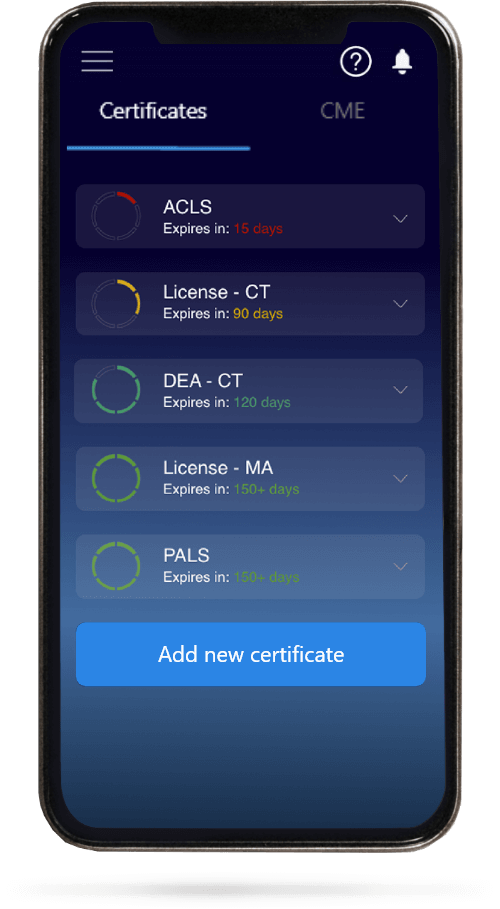
When you have your licenses, certificates and CMEs in one place, it's easier to track your career growth. You can easily share these with hospitals as well, using your medtigo app.