Hidden Risks of Exosome Injections in Pain Management
April 8, 2026




Brand Name :
Gavreto
Synonyms :
pralsetinib
Class :
RET Kinase Inhibitors



Brand Name :
Gavreto
Synonyms :
pralsetinib
Class :
RET Kinase Inhibitors
Dosage forms & Strengths:
Capsule
100 mg
400
mg
Orally
every day
Continue until the illness progresses or intolerable toxicity occurs
400
mg
Orally
every day
Continue until the illness progresses or intolerable toxicity occurs
400
mg
Orally
every day
Continue until the illness progresses or intolerable toxicity occurs.
Age: > 12 years:
400
mg
orally
every day
Continue until the illness progresses or intolerable toxicity occurs
Age: > 12 years:
400
mg
Orally
every day
Continue until the illness progresses or intolerable toxicity occurs
may enhance the serum concentration of P-glycoprotein/ABCB1 Inhibitors
the effect of pralsetinib is decreased by lorlatinib, by altering intestinal or hepatic CYP3A4 enzyme metabolism
CYP3A strong enhancers of the small intestine may reduce the bioavailability of pralsetinib
>10%:
Increased creatinine
Increased alkaline phosphatase
Fatigue
Musculoskeletal pain
Decreased calcium
Cough
Pyrexia
Edema
Pneumonia
Dry mouth
1-10%:
Decreased phosphate
Fatigue
Diarrhea
Increased AST
Increased ALT
Decreased platelets
Cough
Increased potassium
Increased bilirubin
Increased alkaline phosphatase
<1%:
Musculoskeletal pain
Constipation
Abdominal pain
Stomatitis
Nausea
Dizziness
Pralsetinib is contraindicated in patients hypersensitive to the active ingredient.
Pregnancy consideration:
No data is available regarding any fetal defects caused due to drug intake during pregnancy.
Breastfeeding warnings:
No data is available regarding the excretion of the drug in breast milk.
Pregnancy category:
Patient information leaflet
Generic Name: pralsetinib
Pronounced: pral-SEH-tih-nib
Why do we use pralsetinib?
Pralsetinib is a Receptor Tyrosine Kinase Inhibitor. It is used to treat Non-Small Cell Lung Cancer, Medullary Thyroid Cancer, and Thyroid Cancer.
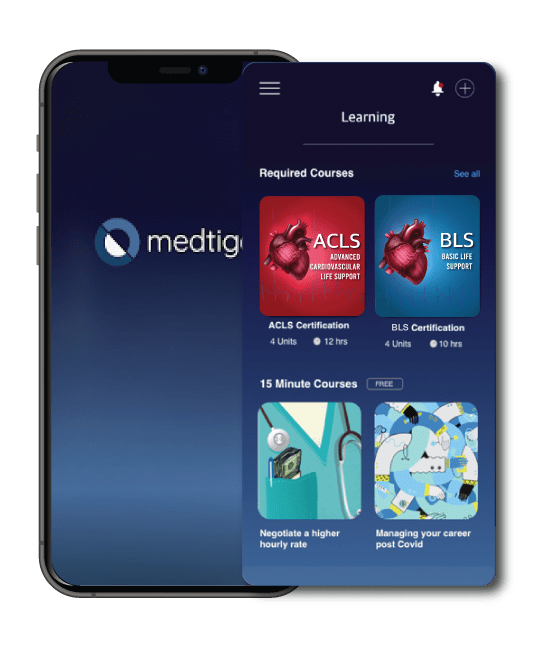
Both our subscription plans include Free CME/CPD AMA PRA Category 1 credits.
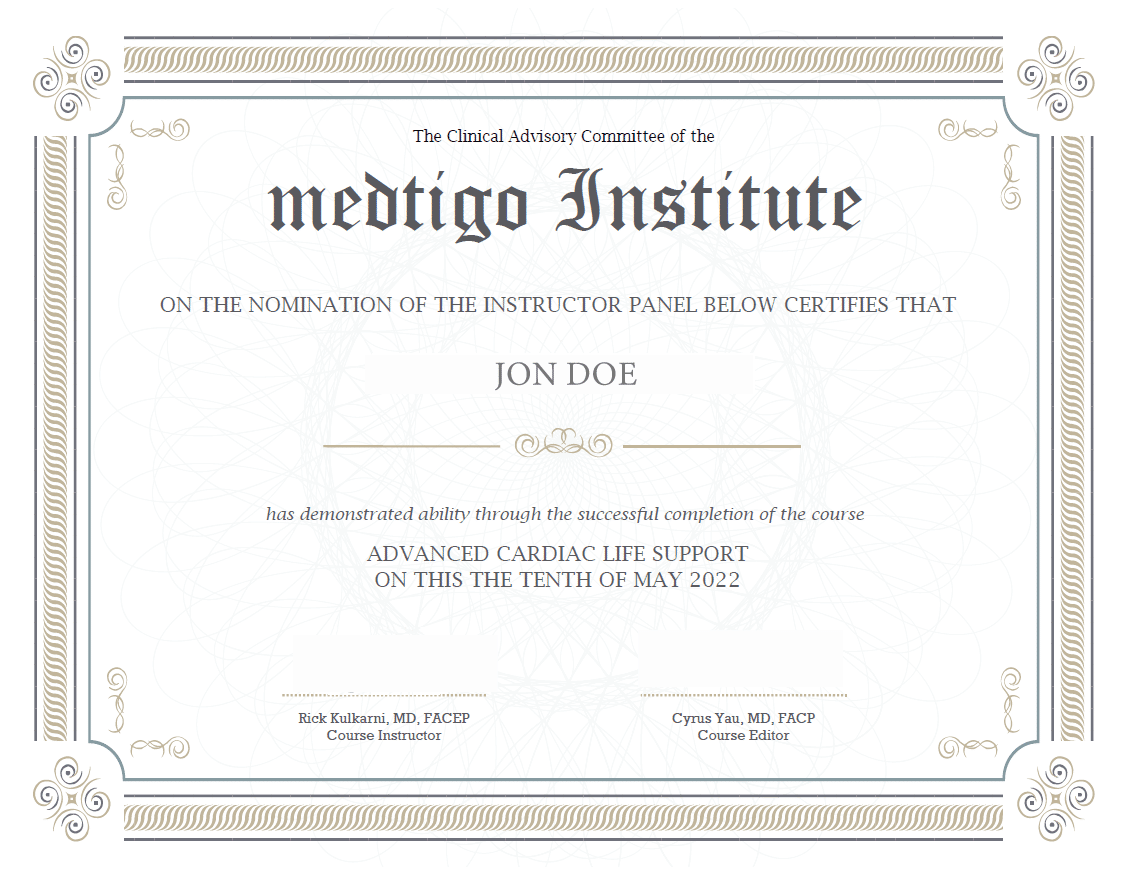
On course completion, you will receive a full-sized presentation quality digital certificate.
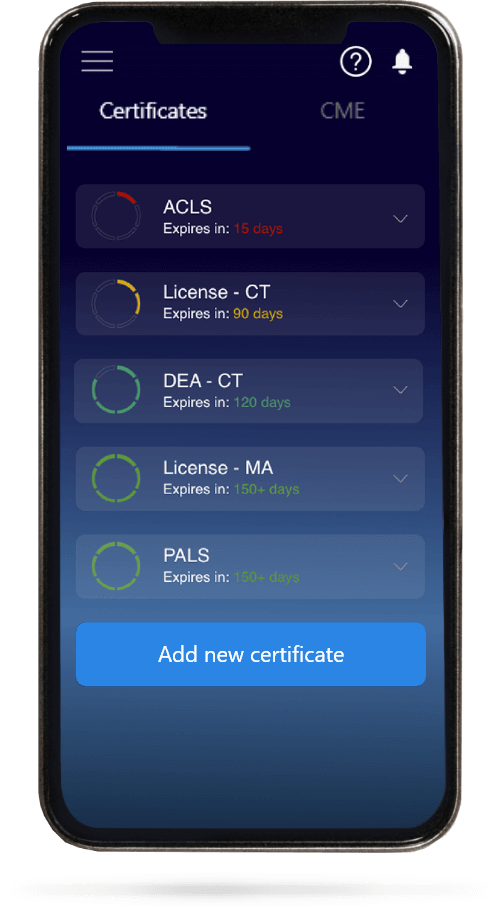
When you have your licenses, certificates and CMEs in one place, it's easier to track your career growth. You can easily share these with hospitals as well, using your medtigo app.