Hidden Risks of Exosome Injections in Pain Management
April 8, 2026




Brand Name :
Allegra-D 24 Hour Allergy & Congestion, Allegra D, Allegra-D 12 Hour Allergy & Congestion
Synonyms :
pseudoephedrine/fexofenadine
Class :
Decongestant Combos/ Antihistamine



Brand Name :
Allegra-D 24 Hour Allergy & Congestion, Allegra D, Allegra-D 12 Hour Allergy & Congestion
Synonyms :
pseudoephedrine/fexofenadine
Class :
Decongestant Combos/ Antihistamine
Dosage Forms & Strengths
Extended release (Tablet) 12 hour
120mg/60mg (pseudoephedrine/fexofenadine)
Extended release (Tablet) 24 hour
240mg/180mg (pseudoephedrine/fexofenadine)
Tablet for 12 hour: Take 1 tablet of 60 mg fexofenadine/120 mg pseudoephedrine orally every 12 hours
Tablet for 24 hour: Take 1 tablet of 180 mg fexofenadine/240 mg pseudoephedrine orally once a day
Dosage Forms & Strengths
Extended release (Tablet) 12 hour
120mg/60mg (pseudoephedrine/fexofenadine)
Extended release (Tablet) 24 hour
240mg/180mg (pseudoephedrine/fexofenadine)
<12 years: Safety and efficacy not established
>12 years: Tablet for 12 hour: take 1 tablet of 60 mg fexofenadine/120 mg pseudoephedrine orally two times a day
Tablet for 24 hour: take 1 tablet of 180 mg fexofenadine/240 mg pseudoephedrine orally once a day
Renal Impairment
Tablet for 12 hour: take 1 tablet of 60 mg fexofenadine/120 mg pseudoephedrine orally every 24 hours
Tablet for 24 hour: not advised
Refer to adult dosing
Actions and Spectrum:
fexofenadine is an antihistamine, whereas pseudoephedrine is a decongestant.
By constricting the blood vessels in the nasal passages, pseudoephedrine serves to lessen oedema and congestion. By doing so, you can ease nasal congestion brought on by colds, the flu, or allergies.
Histamine, a chemical the body releases in reaction to allergens, is what fexofenadine does to function. fexofenadine relieves allergy symptoms like runny nose, sneezing, itching, and watery eyes by inhibiting histamine
The upper respiratory system is the primary target of pseudoephedrine/fexofenadine’s spectrum of activity, while other bodily systems are not significantly impacted.
It is crucial to be aware that this drug may have adverse effects, including nausea, dry mouth, sleeplessness, and dizziness.
Frequency not defined
CNS depression
Muscular weakness
Early menses
Faintness
Paresthesia
Blurred vision
Diplopia; tinnitus
Sedation ranging from mild drowsiness to deep sleep
Delirium, palpitation, seizures is less common
Disturbed coordination
Insomnia
Chills
Agranulocytosis
Tremors
Hepatic function abnormality, jaundice is rare
Tachycardia, palpitation ECG changes (eg, widened QRS)
Toxic psychosis
Lassitude
Thrombocytopenia
Dysmenorrhea
Acute labyrinthitis
Nausea
Vomiting
Cholestasis, hepatitis, hepatic failure
Facial dyskinesia
Tightness of the chest
Thickening of bronchial secretions
Arrhythmias (e.g., extrasystole, heart block)
Hypotension
Urinary retention
Impotence
Vertigo
Visual disturbances
Sweating
Diarrhea
Dizziness, sedation, and hypotension may occur in geriatric patients
Dryness of mouth, nose, and throat
Hemolytic anemia
Leukopenia
Fatigue
Dysuria
Restlessness, euphoria, nervousness
Wheezing
Nasal stuffiness
Epigastric distress
Ischemic colitis
Anorexia
Pancytopenia
1-10%
Otitis media (2.5%)
Drowsiness (1.3%)
Fatigue (1.3%)
Myalgia (3%)
Vomiting (8%)
Somnolence (1.5%)
Dizziness (2%)
Dyspepsia (1.2%)
Headache (7.2%)
Diarrhea (3%)
Black Box Warning
The usage of the pseudoephedrine/ fexofenadine combination medication has no black box warning.
Contraindication/Caution:
Contraindication:
Caution:
medication should also be used with caution in individuals who are pregnant or breastfeeding.
Pregnancy warnings:
Pregnancy category: N/A
Lactation: Excretion into human milk is unknown
Pregnancy Categories:
Category A: Studies that were well-controlled and met expectations revealed no risk to the fetus in either the first or second trimester.
Category B: There were lack of studies on pregnant women and no evidence of risk to the foetus in animal experiments.
Category C: there was evidence of risk of adverse effects in animal reproduction studies, and no adequate evidence in human studies must take care of potential risks in pregnant women.
Category D: adequate data available with sufficient evidence of human fetal risk from various platforms, but despite the potential risk, and used only in emergency cases for potential benefits.
Category X: Drugs listed in this category outweigh the risks over benefits. Hence these categories of drugs need to be avoided by pregnant women.
Category N: There is no data available for the drug under this category
Pharmacology
fexofenadine, a second-generation antihistamine, works as an inverse agonist at the H1 receptor, while pseudoephedrine, a sympathomimetic medication, functions as a nasal decongestant.
pseudoephedrine causes vasoconstriction, which reduces edema and congestion in the nasal passages, by activating alpha-adrenergic receptors in the nasal mucosa. The beta-adrenergic action of pseudoephedrine also contributes to its minor broncho dilatory effects.
fexofenadine prevents histamine-mediated allergic responses by specifically inhibiting histamine’s ability to bind to H1 receptors. When opposed to first-generation antihistamines, fexofenadine has fewer sedative effects since it does not penetrate the blood-brain barrier.
Pharmacodynamics
A sympathomimetic medication called pseudoephedrine causes vasoconstriction and reduces oedema and congestion in the nasal passages by activating alpha-adrenergic receptors in the nasal mucosa.
fexofenadine has negligible sedative effects since it struggles to cross the blood-brain barrier. fexofenadine has a lengthy duration of action and can successfully treat allergic rhinitis’s symptoms, such as itching, sneezing, and nasal congestion.
Pharmacokinetics
Absorption
For pseudoephedrine
Peak plasma concentrations of pseudoephedrine are reached within 1 to 2 hours after oral dosing due to its quick and efficient absorption from the digestive system. pseudoephedrine’s absorption can be slowed down by food.
For fexofenadine
In addition to being highly absorbed from the digestive system, fexofenadine very quickly reaches its peak plasma concentrations when taken orally. Fruit juice and meals can impair the bioavailability of fexofenadine by reducing absorption.
Distribution
For pseudoephedrine
pseudoephedrine is widely distributed and has a 90% protein binding efficiency. Pseudoephedrine is secreted in breast milk after passing through the placenta and the blood-brain barrier.
For fexofenadine
About 60 to 70% of fexofenadine is strongly linked to plasma proteins and is widely distributed in the body. Fexofenadine has negligible sedative effects since it has a difficult time crossing the blood-brain barrier.
Metabolism
For pseudoephedrine
pseudoephedrine is extensively metabolized to its active metabolite, nor pseudoephedrine, in the liver by cytochrome P450 (CYP) enzymes, notably CYP2D6. pseudoephedrine has an elimination half-life of around 6 hours.
For fexofenadine
The liver little processes fexofenadine, and it is mainly eliminated in the feces intact. The half-life of fexofenadine is around 14 hours.
Elimination and excretion
For pseudoephedrine
About 44 to 96% of the dosage of pseudoephedrine is excreted unaltered in the urine, where it is largely removed. pseudoephedrine is little excreted in the feces.
For fexofenadine
Less than 5% of the dosage of fexofenadine is excreted in the urine and most of it is found in the faeces. The liver little processes fexofenadine, and it is mainly eliminated in the feces intact.
Administration:
Tablets of pseudoephedrine/fexofenadine are available and are used orally.
Adults should take one tablet of pseudoephedrine/fexofenadine twice a day, with or without meals. The pill shouldn’t be chewed or mashed; it should be consumed whole with water.
It’s essential to adhere to the dosage guidelines and not go above the daily maximum of two pills.
Because pseudoephedrine/fexofenadine has a stimulant impact on the central nervous system, it is crucial to avoid taking at bedtime.
Patient information leaflet
Generic Name: pseudoephedrine/fexofenadine
Why do we use pseudoephedrine/fexofenadine?
A combination drug called pseudoephedrine/fexofenadine is used to treat symptoms of seasonal allergies and nasal congestion, including:
Sneezing, clogged nose, nasal blockage, scratchy throat, nose, eyes, moist eyes and sinus tension
A decongestant called pseudoephedrine works by constricting the blood vessels in the nasal passages, which lessens swelling and congestion.
An antihistamine, such as fexofenadine, inhibits the effects of histamine, which the body releases in reaction to allergens and is what causes the symptoms of allergies.

Both our subscription plans include Free CME/CPD AMA PRA Category 1 credits.

On course completion, you will receive a full-sized presentation quality digital certificate.
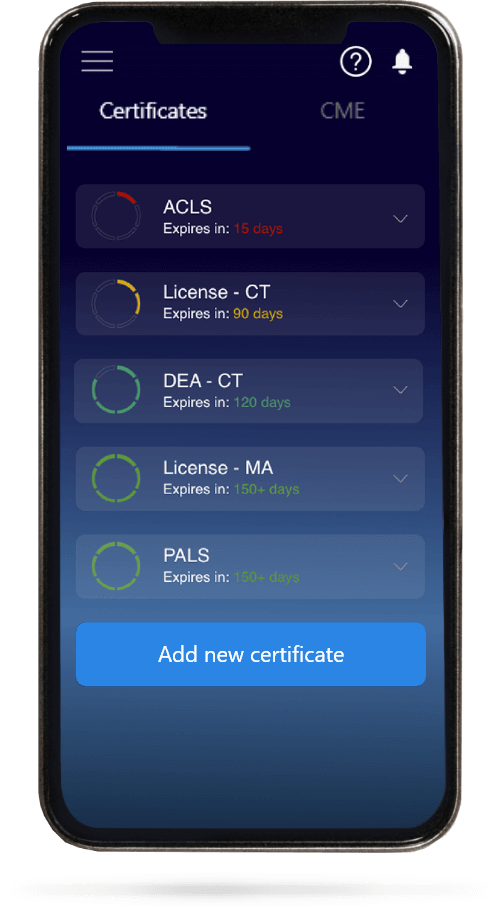
When you have your licenses, certificates and CMEs in one place, it's easier to track your career growth. You can easily share these with hospitals as well, using your medtigo app.