
Coverage Transitions from Medicaid Expansion to Medicare: A Cohort Analysis
April 26, 2026




Brand Name :
pygeum africanum,prunus africana
Synonyms :
pygeum
Class :
Urology, Herbals



Brand Name :
pygeum africanum,prunus africana
Synonyms :
pygeum
Class :
Urology, Herbals
Suggested Dosing
Oral Extract
75-200 mg
Actions and Spectrum:
Actions:
Anti-inflammatory: pygeum contains compounds that have anti-inflammatory properties, which can help reduce inflammation in the prostate gland.
Antioxidant: Pygeum also contains antioxidants that can help protect the prostate gland from damage caused by free radicals.
Anti-androgenic: Pygeum has been shown to inhibit the activity of the androgen receptors in the prostate gland, which can help reduce the growth of prostate cells.
Anti-proliferative: Pygeum can also help slow down the growth and proliferation of prostate cells.
Spectrum:
BPH symptoms: Pygeum is commonly used to alleviate symptoms of BPH, such as frequent urination, difficulty urinating, and incomplete bladder emptying.
Prostatitis: Pygeum may also be used to treat prostatitis, an inflammation of the prostate gland.
Prostate cancer: While Pygeum has been shown to have anti-proliferative and anti-androgenic properties, more research is needed to determine if it can be used as a treatment for prostate cancer.
Other uses: Pygeum has also been used to treat other conditions, such as urinary tract infections, kidney disease, and male infertility, although more research is needed to determine its effectiveness for these uses.
Frequency not defined
Abdominal pain
Nausea
None
Contraindication / Caution:
Allergy: People who are allergic to pygeum or related plants, such as members of the Rosaceae family, should avoid pygeum.
Pregnancy and breastfeeding: There is limited information on the safety of pygeum during pregnancy and breastfeeding, so it is best to avoid pygeum during these times.
Bleeding disorders: Pygeum may increase the risk of bleeding in people with bleeding disorders or those taking blood-thinning medications.
Surgery: Pygeum may increase the risk of bleeding during and after surgery. It is best to stop taking pygeum at least two weeks before any scheduled surgery.
Prostate cancer: Pygeum may interfere with certain prostate cancer treatments, so it is important to speak with a healthcare provider before taking pygeum if you have prostate cancer or are undergoing treatment for it.
Interactions with medications: Pygeum may interact with certain medications, including hormone replacement therapy and medications that affect the liver, so it is important to speak with a healthcare provider before taking pygeum if you are taking any medications.
Pharmacology:
Pygeum has been reported to improve lower urinary tract symptoms (LUTS) associated with BPH, including urinary frequency, urgency, and nocturia. It has also been shown to increase urine flow rate and decrease residual urine volume.
Pharmacodynamics:
Pygeum’s anti-inflammatory properties are believed to play a role in its therapeutic effects on BPH. The extract inhibits the production of inflammatory cytokines, such as tumor necrosis factor-alpha (TNF-alpha), and prostaglandins, which are known to contribute to the development of BPH.
Pharmacokinetics:
Absorption
Pygeum extract is typically taken orally in the form of capsules or tablets. It is thought to be well-absorbed in the gastrointestinal tract, with some studies suggesting that absorption may be enhanced when pygeum is taken with a fatty meal.
Distribution
Pygeum extract and its metabolites are distributed throughout the body via the bloodstream. There is some evidence to suggest that pygeum may accumulate in the prostate gland, which is the target organ for its health benefits.
Metabolism
The exact metabolism of pygeum in the body is not well understood. Some studies suggest that it may be metabolized by the liver and excreted in the urine.
Elimination and excretion
Pygeum extract and its metabolites are primarily eliminated from the body through the urine. The exact elimination of the half-life of pygeum in humans is not known.
Administration:
Pygeum (Pygeum africanum) is a natural supplement that is often used to support prostate health. Some of the reported benefits of Pygeum include reducing inflammation, improving urine flow, and alleviating symptoms of an enlarged prostate. However, it is important to note that the scientific evidence supporting these benefits is mixed.
If you are considering taking Pygeum, it is important to speak with your healthcare provider first. They can help determine whether Pygeum is right for you and advise you on the proper administration and dosages. In general, Pygeum is available in several forms, including capsules, tablets, and extracts. The most recommended dosage is 50-100mg of standardized extract per day.
Patient information leaflet
Generic Name: Pygeum
Why do we use Pygeum?
pygeum is a natural herbal supplement derived from the bark of the African plum tree (Pygeum africanum). It is commonly used to promote prostate health and alleviate symptoms of enlarged prostate gland, a condition known as benign prostatic hyperplasia (BPH).
pygeum contains a variety of compounds, including phytosterols, fatty acids, and triterpenes, which are believed to have anti-inflammatory and anti-androgenic effects. These properties may help to reduce inflammation in the prostate gland and inhibit the growth of prostate cells, which can contribute to the development of BPH.

Both our subscription plans include Free CME/CPD AMA PRA Category 1 credits.

On course completion, you will receive a full-sized presentation quality digital certificate.
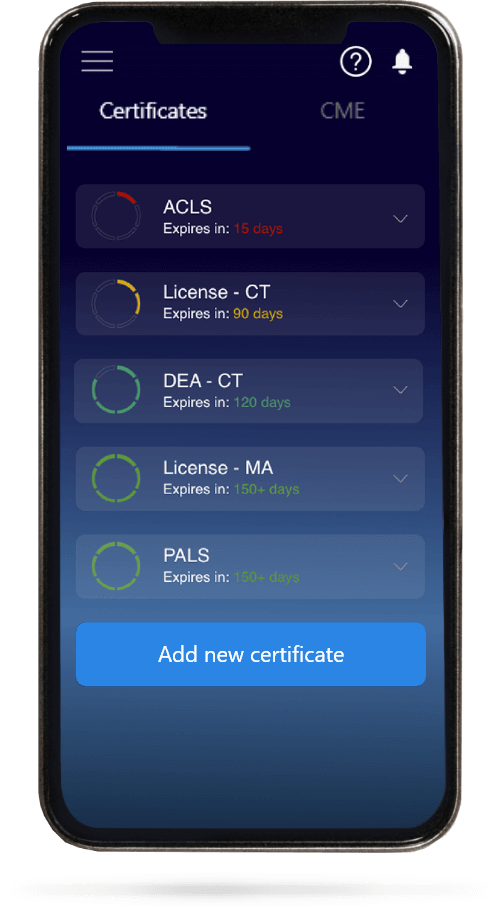
When you have your licenses, certificates and CMEs in one place, it's easier to track your career growth. You can easily share these with hospitals as well, using your medtigo app.