The Dark Side of Care: Assisted Dying, Lethal Drugs, and Suicide Risk Among Healthcare Professionals
April 10, 2026




Brand Name :
Terlivaz
Synonyms :
terlipressin
Class :
Vasopressin-Related




Brand Name :
Terlivaz
Synonyms :
terlipressin
Class :
Vasopressin-Related
Dosage Forms & Strengths
Injection
0.85mg/vial
Days 1-3: 0.85 mg slow IV bolus 4 times a day on day 1,2, and 3
Adjust dose based on serum creatinine (SCr) on day 4
0.85 mg IV 4 times a day if serum creatinine decreased by at least 30% from baseline
1.7 mg IV 4 times a day if serum creatinine decreased by <30% from baseline
Discontinue if SCr is at or above baseline
Continue terlipressin acetate for a maximum of 14 days or until 24 hours after two consecutive SCr 1.5 mg/dL values at least 2 hours apart
Adverse drug reactions
Frequency Defined
>10%
Abdominal pain (19.5%)
Respiratory failure (15.5%)
Diarrhea (13%)
Dyspnea (12.5%)
Nausea (16%)
1-10%
Bradycardia (5%)
Fluid overload (8.5%)
Ischemia-related events (4.5%)
Pleural effusion (5.5%)
Sepsis (5.5%)
Post marketing Reports
Hyponatremia
Headache
Pregnancy warnings:
US FDA pregnancy category: Not assigned
Lactation:
Excreted into human milk is unknown
Pregnancy Categories:
Category A: In the first or second trimester, well-controlled and satisfactory studies show no risk to the fetus.
Category B: Animal studies found no evidence of fetal risk, and there were not enough studies on pregnant women.
Category C: There was evidence of a risk of adverse effects in animal reproduction studies, but no adequate evidence in human studies.
Category D: adequate data available from various platforms with sufficient evidence of human fetal risk, but despite the potential risk, and only used in emergency cases for potential benefits
Category X: The risks of the drugs in this category outweigh the benefits. As a result, pregnant women should avoid these types of drugs.
Category N: There is no data available for the drug under this category
Patient Information Leaflet
Generic Name: terlipressin
Why do we use terlipressin?
terlipressin is a Vasopressin-Related used to treat Hepatorenal Syndrome.

Both our subscription plans include Free CME/CPD AMA PRA Category 1 credits.

On course completion, you will receive a full-sized presentation quality digital certificate.
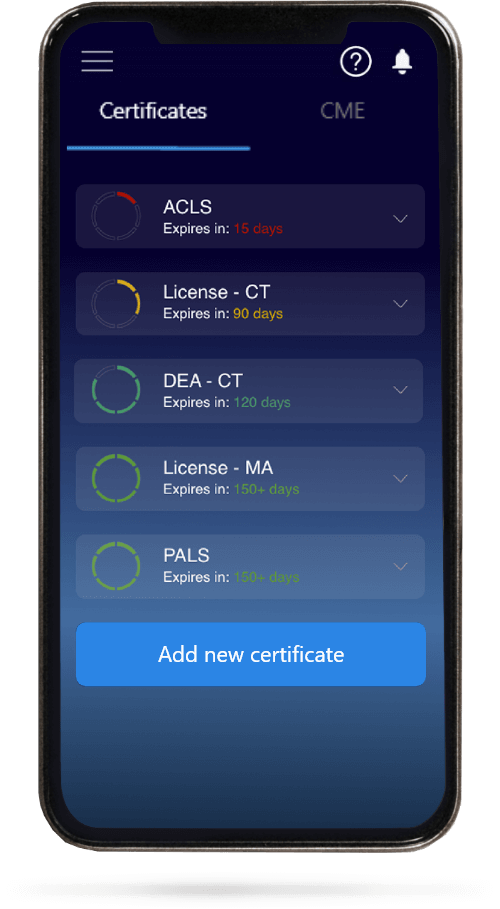
When you have your licenses, certificates and CMEs in one place, it's easier to track your career growth. You can easily share these with hospitals as well, using your medtigo app.