tetanus immune globulin (TIG) is a medication used to prevent and treat tetanus, a bacterial infection caused by the bacterium Clostridium tetani. TIG is derived from the blood plasma of individuals immunized against tetanus or who have recovered. It contains antibodies that provide temporary immunity against the tetanus toxin.
The actions and spectrum of TIG can be summarized as follows:
Passive Immunity: TIG provides passive immunity, containing preformed antibodies that can immediately neutralize the tetanus toxin. These antibodies are specific to the tetanus toxin and can prevent its harmful effects.
tetanus Toxin Neutralization: TIG binds to the tetanus toxin, preventing it from exerting its toxic effects on the body. By neutralizing the toxin, TIG can prevent the progression of the infection and limit the severity of symptoms.
Short-term Protection: The protective effects of TIG are temporary. The antibodies in TIG provide immediate immunity but gradually decrease over time. Therefore, TIG is typically used as a short-term measure to provide immediate protection while the body’s immune system generates antibodies through active tetanus vaccine immunization.
Spectrum of Coverage: TIG is effective against the tetanus toxin and protects against tetanus infection. It has no direct antimicrobial activity against the Clostridium tetani bacteria. Other treatments, such as antibiotics, may be necessary to eliminate the bacteria.
DRUG INTERACTION
tetanus immune globulin (TIG)
&
tetanus immune globulin (TIG) +
No drug interaction found for tetanus immune globulin (TIG) and .
Indicated for Tetanus
Active tetanus: 3000-6000 Units intramuscular
Prophylaxis: 250 units intramuscular as single dose
Clean minor wound
No. of doses is 0-2 doses/unknown: toxoid only
No. of doses is >3 doses: toxoid if it is >10 years ago
All other wounds
No. of doses is 0-1 doses/unknown: toxoid and IG
No. of doses is 2 doses: toxoid, no IG, if the wound <24 hrs old
No. of doses is >3 doses: toxoid if it is >5 years ago, no IG
Indicated for Tetanus as Prophylaxis
Age <7 years
4 units/Kg or 250 units intramuscular
Age >7 years
250 units intramuscular as a single therapy
Tetanus therapy
3000-6000 Units intramuscular
Refer to adult dosing
Frequency not defined
Lethargy
Nephrotic syndrome (rare)
Angioneurotic edema
Injection site pain
Urticaria
Vomiting
Anaphylaxis
Chest tightness
Nausea
Fever
Black Box Warning:
None
Contraindication/Caution:
Contraindication
tetanus immune globulin (TIG) may have contraindications in certain individuals. Contraindications are specific situations or conditions where medication is not recommended due to potential risks. The contraindications of TIG can include:
Hypersensitivity: TIG should not be administered to individuals with known hypersensitivity or allergic reactions to immunoglobulins or any of the components of TIG.
Previous severe reaction: If a person has experienced a severe allergic or anaphylactic reaction to TIG or any immunoglobulin product, using TIG in such cases is generally contraindicated.
Selective IgA Deficiency: TIG may contain small amounts of IgA (Immunoglobulin A). Individuals with selective IgA deficiency who have antibodies against IgA have a potential risk of an allergic reaction. TIG should be used with caution in such individuals.
Caution
When using tetanus immune globulin (TIG), there are several cautions to be aware of. Cautions indicate situations where the medication should be carefully considered due to potential risks. Some cautions associated with TIG may include:
Hypersensitivity Reactions: Although hypersensitivity reactions are rare, TIG is derived from human plasma and can potentially cause allergic or hypersensitivity reactions. It is essential to closely monitor patients during and after administration for any signs of allergic reactions, such as hives, difficulty breathing, or swelling of the face or throat.
Transmission of Infectious Agents: TIG is made from pooled human plasma, and although extensive screening and processing methods are used to reduce the risk, it may still carry a slight risk of transmitting infectious agents, including viruses. It is pivotal to weigh the potential benefits against the risks, especially in individuals with a history of blood product transfusion or an increased risk of viral infections.
Interference with Live Vaccines: TIG may interfere with the effectiveness of live attenuated vaccines, such as the measles, mumps, and rubella (MMR) vaccine. If TIG is administered, waiting at least three months before administering live vaccines is generally recommended to ensure optimal immune response.
Monitoring and Reporting: Adverse events or reactions following TIG administration should be closely monitored and reported to the healthcare provider. This helps monitor the medication’s safety and effectiveness and contributes to the ongoing assessment of its risk-benefit profile.
As with any medication, it is key to consult with a physician or refer to the specific product labeling for comprehensive information regarding cautions associated with TIG, as recommendations and guidelines may vary based on individual circumstances and product specifications.
Pregnancy consideration:
US FDA pregnancy category: Not assigned.
Lactation:
Excreted into human milk is Not known.
Pregnancy category:
Category A: well-controlled and Satisfactory studies show no risk to the fetus in the first or later trimester.
Category B: there was no evidence of risk to the fetus in animal studies, and there were not enough studies on pregnant women.
Category C: there was evidence of risk of adverse effects in animal reproduction studies, and no adequate evidence in human studies must take care of potential risks in pregnant women.
Category D: adequate data with sufficient evidence of human fetal risk from various platforms, but despite the potential risk, and used only in emergency cases for potential benefits.
Category X: Drugs listed in this category outweigh the risks over benefits. Hence these categories of drugs need to be avoided by pregnant women.
Category N: There is no data available for the drug under this category
Pharmacology:
The pharmacology of tetanus immune globulin (TIG) primarily involves its immunological properties and ability to provide passive immunity against the tetanus toxin. Here are the critical aspects of TIG’s pharmacology:
Immunoglobulin G (IgG) Antibodies: TIG is a concentrated solution of purified human immunoglobulin G (IgG) antibodies derived from the plasma of people who have been immunized against tetanus or have recovered from the infection. IgG is the primary class of antibodies in the blood and provides long-lasting immunity.
tetanus Toxin Neutralization: TIG contains high levels of specific antibodies that recognize and neutralize the tetanus toxin produced by Clostridium tetani bacteria. These antibodies bind to the tetanus toxin, preventing it from exerting its toxic effects on the body’s nervous system.
Passive Immunity: TIG provides immediate, temporary, and passive immunity against tetanus. When administered, the preformed antibodies in TIG circulate in the bloodstream and provide immediate protection against the tetanus toxin. This passive immunity is short-term and gradually decreases over time.
Half-life and Clearance: The half-life of TIG, which is the time it generally takes for half of the administered dose to be generally eliminated from the body, varies depending on the specific product used. The average half-life is approximately 21 days. TIG is cleared from the body through the reticuloendothelial system, primarily the liver.
Complement Fixation: TIG can fix the complement, a part of the immune system involved in immune responses. Complement fixation enhances the immune response by facilitating the elimination of antigen-antibody complexes and activating other immune system components.
Pharmacodynamics:
Mechanism of action: The action of tetanus immune globulin (TIG) is based on its ability to provide passive immunity through the presence of specific antibodies against the tetanus toxin. Here is an overview of the mechanism of action:
Neutralization of tetanus Toxin: TIG contains high levels of immunoglobulin G (IgG) antibodies specific to the tetanus toxin produced by Clostridium tetani bacteria. When TIG is administered, these antibodies recognize and bind to the tetanus toxin.
Inactivation of tetanus Toxin: Once bound to the tetanus toxin, the antibodies present in TIG neutralize the toxin’s activity. This prevents the toxin from exerting its harmful effects on the body’s nervous system.
Prevention of tetanus Progression: By neutralizing the tetanus toxin, TIG helps prevent the infection’s progression and the development of severe symptoms associated with tetanus. It provides immediate protection against the toxin’s damaging effects.
Temporary Passive Immunity: TIG provides temporary, passive immunity against tetanus. It supplies pre-formed antibodies that can immediately neutralize the tetanus toxin but do not stimulate the individual’s immune system to produce long-lasting immunity.
Pharmacokinetics:
Absorption
TIG is administered via intramuscular (IM) injection. Following IM injection, the absorption of TIG is relatively slow and gradual. The rate and extent of absorption may depend on factors such as injection site, technique, and individual patient characteristics.
Distribution
After absorption, TIG is distributed throughout the body via the bloodstream. Immunoglobulins like TIG are large molecules and tend to distribute in the extracellular fluid compartment. They can cross the placenta, providing passive immunity to the fetus whether it is administered to a pregnant woman.
Metabolism
Immunoglobulins, including TIG, are proteins that are metabolized like endogenous proteins. They are broken down into the smaller peptides and amino acids by proteolytic enzymes. The metabolism of TIG likely occurs in various tissues, including the liver.
Elimination and Excretion
The excretion of TIG needs to be better documented. Immunoglobulins are thought to be eliminated primarily through catabolism and subsequent clearance from the body. Metabolites and breakdown products of TIG are likely excreted via the kidneys or eliminated in the bile.
Administration:
Intramuscular administration
tetanus immune globulin (TIG) is typically administered under the supervision of a healthcare professional. The specific administration instructions may vary depending on the individual’s age, weight, and the severity of the tetanus exposure. Here is a general overview of the administration process:
Dose: The appropriate dose of TIG is determined based on the individual’s weight and the specific indication for its use. The healthcare professional will calculate the appropriate dose and volume for administration.
Route of Administration: TIG is usually administered via intramuscular (IM) injection. The preferred injection site for adults and older children is the deltoid muscle in the upper arm. In infants and young children, the anterolateral thigh muscle may be used.
Injection Technique: The healthcare professional will use a sterile syringe and needle to draw the suitable dose of TIG. The injection site should be typically cleaned with an antiseptic solution before administration. The needle is inserted into muscle at an angle of 90 degrees, and the medication is slowly injected.
Multiple Injections: In cases of severe tetanus exposure or if a notable time has passed since the last tetanus vaccination, multiple injections of TIG may be required. The healthcare professional will determine the appropriate schedule and dosage.
tetanus Vaccine: TIG is often administered with the tetanus vaccine. The vaccine is usually given simultaneously or shortly after TIG administration at a different injection site. The vaccine helps stimulate the individual’s immune system to produce long-term immunity against tetanus.
Observation: After TIG administration, the individual may be observed briefly to monitor for any immediate adverse reactions or complications.
tetanus immune globulin (TIG) is used to prevent and treat tetanus, a potentially life-threatening bacterial infection caused by Clostridium tetani. The main uses of TIG are as follows:
Post-exposure Prophylaxis: TIG is administered to individuals who have suffered a tetanus-prone wound and have an incomplete or uncertain tetanus immunization history. It provides immediate passive immunity by neutralizing any tetanus toxin that may be present in the body.
Treatment of Clinical tetanus: TIG is a component of the treatment regimen for individuals diagnosed with clinical tetanus. It helps to neutralize circulating tetanus toxin and prevent further progression of the infection.
tetanus in Newborns: Sometimes, TIG may be administered to newborn infants at risk of developing tetanus due to unclean or contaminated conditions during birth. This is particularly important in areas where maternal tetanus immunization coverage is low.
tetanus Prone Wounds: TIG may be considered in severe or high-risk wounds with an increased likelihood of tetanus contamination. Examples include deep puncture wounds, wounds contaminated with soil, feces, or saliva, or wounds with devitalized tissue.
It’s important to note that TIG is not a substitute for active immunization with the tetanus vaccine. tetanus vaccination is a crucial preventive measure and is recommended for everyone. TIG provides only short-term passive immunity and is used to provide immediate protection, while the tetanus vaccine stimulates the body’s immune response to produce long-term immunity.
The specific use of TIG may vary depending on the individual’s medical history, wound characteristics, and the recommendations of healthcare professionals. It’s essential to consult a healthcare provider for proper evaluation and guidance regarding using TIG in specific situations.
Indicated for Tetanus
Active tetanus: 3000-6000 Units intramuscular
Prophylaxis: 250 units intramuscular as single dose
Clean minor wound
No. of doses is 0-2 doses/unknown: toxoid only
No. of doses is >3 doses: toxoid if it is >10 years ago
All other wounds
No. of doses is 0-1 doses/unknown: toxoid and IG
No. of doses is 2 doses: toxoid, no IG, if the wound <24 hrs old
No. of doses is >3 doses: toxoid if it is >5 years ago, no IG
Indicated for Tetanus as Prophylaxis
Age <7 years
4 units/Kg or 250 units intramuscular
Age >7 years
250 units intramuscular as a single therapy
Tetanus therapy
3000-6000 Units intramuscular
Refer to adult dosing
DRUG INTERACTION
tetanus immune globulin (TIG)
&
tetanus immune globulin (TIG) +
No Drug Intearction Found. for tetanus immune globulin (TIG) and .
Actions and Spectrum:
tetanus immune globulin (TIG) is a medication used to prevent and treat tetanus, a bacterial infection caused by the bacterium Clostridium tetani. TIG is derived from the blood plasma of individuals immunized against tetanus or who have recovered. It contains antibodies that provide temporary immunity against the tetanus toxin.
The actions and spectrum of TIG can be summarized as follows:
Passive Immunity: TIG provides passive immunity, containing preformed antibodies that can immediately neutralize the tetanus toxin. These antibodies are specific to the tetanus toxin and can prevent its harmful effects.
tetanus Toxin Neutralization: TIG binds to the tetanus toxin, preventing it from exerting its toxic effects on the body. By neutralizing the toxin, TIG can prevent the progression of the infection and limit the severity of symptoms.
Short-term Protection: The protective effects of TIG are temporary. The antibodies in TIG provide immediate immunity but gradually decrease over time. Therefore, TIG is typically used as a short-term measure to provide immediate protection while the body’s immune system generates antibodies through active tetanus vaccine immunization.
Spectrum of Coverage: TIG is effective against the tetanus toxin and protects against tetanus infection. It has no direct antimicrobial activity against the Clostridium tetani bacteria. Other treatments, such as antibiotics, may be necessary to eliminate the bacteria.
Frequency not defined
Lethargy
Nephrotic syndrome (rare)
Angioneurotic edema
Injection site pain
Urticaria
Vomiting
Anaphylaxis
Chest tightness
Nausea
Fever
Black Box Warning:
None
Contraindication/Caution:
Contraindication
tetanus immune globulin (TIG) may have contraindications in certain individuals. Contraindications are specific situations or conditions where medication is not recommended due to potential risks. The contraindications of TIG can include:
Hypersensitivity: TIG should not be administered to individuals with known hypersensitivity or allergic reactions to immunoglobulins or any of the components of TIG.
Previous severe reaction: If a person has experienced a severe allergic or anaphylactic reaction to TIG or any immunoglobulin product, using TIG in such cases is generally contraindicated.
Selective IgA Deficiency: TIG may contain small amounts of IgA (Immunoglobulin A). Individuals with selective IgA deficiency who have antibodies against IgA have a potential risk of an allergic reaction. TIG should be used with caution in such individuals.
Caution
When using tetanus immune globulin (TIG), there are several cautions to be aware of. Cautions indicate situations where the medication should be carefully considered due to potential risks. Some cautions associated with TIG may include:
Hypersensitivity Reactions: Although hypersensitivity reactions are rare, TIG is derived from human plasma and can potentially cause allergic or hypersensitivity reactions. It is essential to closely monitor patients during and after administration for any signs of allergic reactions, such as hives, difficulty breathing, or swelling of the face or throat.
Transmission of Infectious Agents: TIG is made from pooled human plasma, and although extensive screening and processing methods are used to reduce the risk, it may still carry a slight risk of transmitting infectious agents, including viruses. It is pivotal to weigh the potential benefits against the risks, especially in individuals with a history of blood product transfusion or an increased risk of viral infections.
Interference with Live Vaccines: TIG may interfere with the effectiveness of live attenuated vaccines, such as the measles, mumps, and rubella (MMR) vaccine. If TIG is administered, waiting at least three months before administering live vaccines is generally recommended to ensure optimal immune response.
Monitoring and Reporting: Adverse events or reactions following TIG administration should be closely monitored and reported to the healthcare provider. This helps monitor the medication’s safety and effectiveness and contributes to the ongoing assessment of its risk-benefit profile.
As with any medication, it is key to consult with a physician or refer to the specific product labeling for comprehensive information regarding cautions associated with TIG, as recommendations and guidelines may vary based on individual circumstances and product specifications.
Pregnancy consideration:
US FDA pregnancy category: Not assigned.
Lactation:
Excreted into human milk is Not known.
Pregnancy category:
Category A: well-controlled and Satisfactory studies show no risk to the fetus in the first or later trimester.
Category B: there was no evidence of risk to the fetus in animal studies, and there were not enough studies on pregnant women.
Category C: there was evidence of risk of adverse effects in animal reproduction studies, and no adequate evidence in human studies must take care of potential risks in pregnant women.
Category D: adequate data with sufficient evidence of human fetal risk from various platforms, but despite the potential risk, and used only in emergency cases for potential benefits.
Category X: Drugs listed in this category outweigh the risks over benefits. Hence these categories of drugs need to be avoided by pregnant women.
Category N: There is no data available for the drug under this category
Pharmacology:
The pharmacology of tetanus immune globulin (TIG) primarily involves its immunological properties and ability to provide passive immunity against the tetanus toxin. Here are the critical aspects of TIG’s pharmacology:
Immunoglobulin G (IgG) Antibodies: TIG is a concentrated solution of purified human immunoglobulin G (IgG) antibodies derived from the plasma of people who have been immunized against tetanus or have recovered from the infection. IgG is the primary class of antibodies in the blood and provides long-lasting immunity.
tetanus Toxin Neutralization: TIG contains high levels of specific antibodies that recognize and neutralize the tetanus toxin produced by Clostridium tetani bacteria. These antibodies bind to the tetanus toxin, preventing it from exerting its toxic effects on the body’s nervous system.
Passive Immunity: TIG provides immediate, temporary, and passive immunity against tetanus. When administered, the preformed antibodies in TIG circulate in the bloodstream and provide immediate protection against the tetanus toxin. This passive immunity is short-term and gradually decreases over time.
Half-life and Clearance: The half-life of TIG, which is the time it generally takes for half of the administered dose to be generally eliminated from the body, varies depending on the specific product used. The average half-life is approximately 21 days. TIG is cleared from the body through the reticuloendothelial system, primarily the liver.
Complement Fixation: TIG can fix the complement, a part of the immune system involved in immune responses. Complement fixation enhances the immune response by facilitating the elimination of antigen-antibody complexes and activating other immune system components.
Pharmacodynamics:
Mechanism of action: The action of tetanus immune globulin (TIG) is based on its ability to provide passive immunity through the presence of specific antibodies against the tetanus toxin. Here is an overview of the mechanism of action:
Neutralization of tetanus Toxin: TIG contains high levels of immunoglobulin G (IgG) antibodies specific to the tetanus toxin produced by Clostridium tetani bacteria. When TIG is administered, these antibodies recognize and bind to the tetanus toxin.
Inactivation of tetanus Toxin: Once bound to the tetanus toxin, the antibodies present in TIG neutralize the toxin’s activity. This prevents the toxin from exerting its harmful effects on the body’s nervous system.
Prevention of tetanus Progression: By neutralizing the tetanus toxin, TIG helps prevent the infection’s progression and the development of severe symptoms associated with tetanus. It provides immediate protection against the toxin’s damaging effects.
Temporary Passive Immunity: TIG provides temporary, passive immunity against tetanus. It supplies pre-formed antibodies that can immediately neutralize the tetanus toxin but do not stimulate the individual’s immune system to produce long-lasting immunity.
Pharmacokinetics:
Absorption
TIG is administered via intramuscular (IM) injection. Following IM injection, the absorption of TIG is relatively slow and gradual. The rate and extent of absorption may depend on factors such as injection site, technique, and individual patient characteristics.
Distribution
After absorption, TIG is distributed throughout the body via the bloodstream. Immunoglobulins like TIG are large molecules and tend to distribute in the extracellular fluid compartment. They can cross the placenta, providing passive immunity to the fetus whether it is administered to a pregnant woman.
Metabolism
Immunoglobulins, including TIG, are proteins that are metabolized like endogenous proteins. They are broken down into the smaller peptides and amino acids by proteolytic enzymes. The metabolism of TIG likely occurs in various tissues, including the liver.
Elimination and Excretion
The excretion of TIG needs to be better documented. Immunoglobulins are thought to be eliminated primarily through catabolism and subsequent clearance from the body. Metabolites and breakdown products of TIG are likely excreted via the kidneys or eliminated in the bile.
Administration:
Intramuscular administration
tetanus immune globulin (TIG) is typically administered under the supervision of a healthcare professional. The specific administration instructions may vary depending on the individual’s age, weight, and the severity of the tetanus exposure. Here is a general overview of the administration process:
Dose: The appropriate dose of TIG is determined based on the individual’s weight and the specific indication for its use. The healthcare professional will calculate the appropriate dose and volume for administration.
Route of Administration: TIG is usually administered via intramuscular (IM) injection. The preferred injection site for adults and older children is the deltoid muscle in the upper arm. In infants and young children, the anterolateral thigh muscle may be used.
Injection Technique: The healthcare professional will use a sterile syringe and needle to draw the suitable dose of TIG. The injection site should be typically cleaned with an antiseptic solution before administration. The needle is inserted into muscle at an angle of 90 degrees, and the medication is slowly injected.
Multiple Injections: In cases of severe tetanus exposure or if a notable time has passed since the last tetanus vaccination, multiple injections of TIG may be required. The healthcare professional will determine the appropriate schedule and dosage.
tetanus Vaccine: TIG is often administered with the tetanus vaccine. The vaccine is usually given simultaneously or shortly after TIG administration at a different injection site. The vaccine helps stimulate the individual’s immune system to produce long-term immunity against tetanus.
Observation: After TIG administration, the individual may be observed briefly to monitor for any immediate adverse reactions or complications.
tetanus immune globulin (TIG) is used to prevent and treat tetanus, a potentially life-threatening bacterial infection caused by Clostridium tetani. The main uses of TIG are as follows:
Post-exposure Prophylaxis: TIG is administered to individuals who have suffered a tetanus-prone wound and have an incomplete or uncertain tetanus immunization history. It provides immediate passive immunity by neutralizing any tetanus toxin that may be present in the body.
Treatment of Clinical tetanus: TIG is a component of the treatment regimen for individuals diagnosed with clinical tetanus. It helps to neutralize circulating tetanus toxin and prevent further progression of the infection.
tetanus in Newborns: Sometimes, TIG may be administered to newborn infants at risk of developing tetanus due to unclean or contaminated conditions during birth. This is particularly important in areas where maternal tetanus immunization coverage is low.
tetanus Prone Wounds: TIG may be considered in severe or high-risk wounds with an increased likelihood of tetanus contamination. Examples include deep puncture wounds, wounds contaminated with soil, feces, or saliva, or wounds with devitalized tissue.
It’s important to note that TIG is not a substitute for active immunization with the tetanus vaccine. tetanus vaccination is a crucial preventive measure and is recommended for everyone. TIG provides only short-term passive immunity and is used to provide immediate protection, while the tetanus vaccine stimulates the body’s immune response to produce long-term immunity.
The specific use of TIG may vary depending on the individual’s medical history, wound characteristics, and the recommendations of healthcare professionals. It’s essential to consult a healthcare provider for proper evaluation and guidance regarding using TIG in specific situations.
tetanus immune globulin (TIG) is a medication used to prevent and treat tetanus, a bacterial infection caused by the bacterium Clostridium tetani. TIG is derived from the blood plasma of individuals immunized against tetanus or who have recovered. It contains antibodies that provide temporary immunity against the tetanus toxin.
The actions and spectrum of TIG can be summarized as follows:
Passive Immunity: TIG provides passive immunity, containing preformed antibodies that can immediately neutralize the tetanus toxin. These antibodies are specific to the tetanus toxin and can prevent its harmful effects.
tetanus Toxin Neutralization: TIG binds to the tetanus toxin, preventing it from exerting its toxic effects on the body. By neutralizing the toxin, TIG can prevent the progression of the infection and limit the severity of symptoms.
Short-term Protection: The protective effects of TIG are temporary. The antibodies in TIG provide immediate immunity but gradually decrease over time. Therefore, TIG is typically used as a short-term measure to provide immediate protection while the body’s immune system generates antibodies through active tetanus vaccine immunization.
Spectrum of Coverage: TIG is effective against the tetanus toxin and protects against tetanus infection. It has no direct antimicrobial activity against the Clostridium tetani bacteria. Other treatments, such as antibiotics, may be necessary to eliminate the bacteria.
Dosing & Uses
Drug Interaction
Adverse Reaction
Frequency not defined
Lethargy
Nephrotic syndrome (rare)
Angioneurotic edema
Injection site pain
Urticaria
Vomiting
Anaphylaxis
Chest tightness
Nausea
Fever
Black Box Warning
Black Box Warning:
None
Contraindication / Caution
Contraindication/Caution:
Contraindication
tetanus immune globulin (TIG) may have contraindications in certain individuals. Contraindications are specific situations or conditions where medication is not recommended due to potential risks. The contraindications of TIG can include:
Hypersensitivity: TIG should not be administered to individuals with known hypersensitivity or allergic reactions to immunoglobulins or any of the components of TIG.
Previous severe reaction: If a person has experienced a severe allergic or anaphylactic reaction to TIG or any immunoglobulin product, using TIG in such cases is generally contraindicated.
Selective IgA Deficiency: TIG may contain small amounts of IgA (Immunoglobulin A). Individuals with selective IgA deficiency who have antibodies against IgA have a potential risk of an allergic reaction. TIG should be used with caution in such individuals.
Caution
When using tetanus immune globulin (TIG), there are several cautions to be aware of. Cautions indicate situations where the medication should be carefully considered due to potential risks. Some cautions associated with TIG may include:
Hypersensitivity Reactions: Although hypersensitivity reactions are rare, TIG is derived from human plasma and can potentially cause allergic or hypersensitivity reactions. It is essential to closely monitor patients during and after administration for any signs of allergic reactions, such as hives, difficulty breathing, or swelling of the face or throat.
Transmission of Infectious Agents: TIG is made from pooled human plasma, and although extensive screening and processing methods are used to reduce the risk, it may still carry a slight risk of transmitting infectious agents, including viruses. It is pivotal to weigh the potential benefits against the risks, especially in individuals with a history of blood product transfusion or an increased risk of viral infections.
Interference with Live Vaccines: TIG may interfere with the effectiveness of live attenuated vaccines, such as the measles, mumps, and rubella (MMR) vaccine. If TIG is administered, waiting at least three months before administering live vaccines is generally recommended to ensure optimal immune response.
Monitoring and Reporting: Adverse events or reactions following TIG administration should be closely monitored and reported to the healthcare provider. This helps monitor the medication’s safety and effectiveness and contributes to the ongoing assessment of its risk-benefit profile.
As with any medication, it is key to consult with a physician or refer to the specific product labeling for comprehensive information regarding cautions associated with TIG, as recommendations and guidelines may vary based on individual circumstances and product specifications.
Pregnancy / Lactation
Pregnancy consideration:
US FDA pregnancy category: Not assigned.
Lactation:
Excreted into human milk is Not known.
Pregnancy category:
Category A: well-controlled and Satisfactory studies show no risk to the fetus in the first or later trimester.
Category B: there was no evidence of risk to the fetus in animal studies, and there were not enough studies on pregnant women.
Category C: there was evidence of risk of adverse effects in animal reproduction studies, and no adequate evidence in human studies must take care of potential risks in pregnant women.
Category D: adequate data with sufficient evidence of human fetal risk from various platforms, but despite the potential risk, and used only in emergency cases for potential benefits.
Category X: Drugs listed in this category outweigh the risks over benefits. Hence these categories of drugs need to be avoided by pregnant women.
Category N: There is no data available for the drug under this category
Pharmacology
Pharmacology:
The pharmacology of tetanus immune globulin (TIG) primarily involves its immunological properties and ability to provide passive immunity against the tetanus toxin. Here are the critical aspects of TIG’s pharmacology:
Immunoglobulin G (IgG) Antibodies: TIG is a concentrated solution of purified human immunoglobulin G (IgG) antibodies derived from the plasma of people who have been immunized against tetanus or have recovered from the infection. IgG is the primary class of antibodies in the blood and provides long-lasting immunity.
tetanus Toxin Neutralization: TIG contains high levels of specific antibodies that recognize and neutralize the tetanus toxin produced by Clostridium tetani bacteria. These antibodies bind to the tetanus toxin, preventing it from exerting its toxic effects on the body’s nervous system.
Passive Immunity: TIG provides immediate, temporary, and passive immunity against tetanus. When administered, the preformed antibodies in TIG circulate in the bloodstream and provide immediate protection against the tetanus toxin. This passive immunity is short-term and gradually decreases over time.
Half-life and Clearance: The half-life of TIG, which is the time it generally takes for half of the administered dose to be generally eliminated from the body, varies depending on the specific product used. The average half-life is approximately 21 days. TIG is cleared from the body through the reticuloendothelial system, primarily the liver.
Complement Fixation: TIG can fix the complement, a part of the immune system involved in immune responses. Complement fixation enhances the immune response by facilitating the elimination of antigen-antibody complexes and activating other immune system components.
Pharmacodynamics:
Mechanism of action: The action of tetanus immune globulin (TIG) is based on its ability to provide passive immunity through the presence of specific antibodies against the tetanus toxin. Here is an overview of the mechanism of action:
Neutralization of tetanus Toxin: TIG contains high levels of immunoglobulin G (IgG) antibodies specific to the tetanus toxin produced by Clostridium tetani bacteria. When TIG is administered, these antibodies recognize and bind to the tetanus toxin.
Inactivation of tetanus Toxin: Once bound to the tetanus toxin, the antibodies present in TIG neutralize the toxin’s activity. This prevents the toxin from exerting its harmful effects on the body’s nervous system.
Prevention of tetanus Progression: By neutralizing the tetanus toxin, TIG helps prevent the infection’s progression and the development of severe symptoms associated with tetanus. It provides immediate protection against the toxin’s damaging effects.
Temporary Passive Immunity: TIG provides temporary, passive immunity against tetanus. It supplies pre-formed antibodies that can immediately neutralize the tetanus toxin but do not stimulate the individual’s immune system to produce long-lasting immunity.
Pharmacokinetics:
Absorption
TIG is administered via intramuscular (IM) injection. Following IM injection, the absorption of TIG is relatively slow and gradual. The rate and extent of absorption may depend on factors such as injection site, technique, and individual patient characteristics.
Distribution
After absorption, TIG is distributed throughout the body via the bloodstream. Immunoglobulins like TIG are large molecules and tend to distribute in the extracellular fluid compartment. They can cross the placenta, providing passive immunity to the fetus whether it is administered to a pregnant woman.
Metabolism
Immunoglobulins, including TIG, are proteins that are metabolized like endogenous proteins. They are broken down into the smaller peptides and amino acids by proteolytic enzymes. The metabolism of TIG likely occurs in various tissues, including the liver.
Elimination and Excretion
The excretion of TIG needs to be better documented. Immunoglobulins are thought to be eliminated primarily through catabolism and subsequent clearance from the body. Metabolites and breakdown products of TIG are likely excreted via the kidneys or eliminated in the bile.
Adminstartion
Administration:
Intramuscular administration
tetanus immune globulin (TIG) is typically administered under the supervision of a healthcare professional. The specific administration instructions may vary depending on the individual’s age, weight, and the severity of the tetanus exposure. Here is a general overview of the administration process:
Dose: The appropriate dose of TIG is determined based on the individual’s weight and the specific indication for its use. The healthcare professional will calculate the appropriate dose and volume for administration.
Route of Administration: TIG is usually administered via intramuscular (IM) injection. The preferred injection site for adults and older children is the deltoid muscle in the upper arm. In infants and young children, the anterolateral thigh muscle may be used.
Injection Technique: The healthcare professional will use a sterile syringe and needle to draw the suitable dose of TIG. The injection site should be typically cleaned with an antiseptic solution before administration. The needle is inserted into muscle at an angle of 90 degrees, and the medication is slowly injected.
Multiple Injections: In cases of severe tetanus exposure or if a notable time has passed since the last tetanus vaccination, multiple injections of TIG may be required. The healthcare professional will determine the appropriate schedule and dosage.
tetanus Vaccine: TIG is often administered with the tetanus vaccine. The vaccine is usually given simultaneously or shortly after TIG administration at a different injection site. The vaccine helps stimulate the individual’s immune system to produce long-term immunity against tetanus.
Observation: After TIG administration, the individual may be observed briefly to monitor for any immediate adverse reactions or complications.
tetanus immune globulin (TIG) is used to prevent and treat tetanus, a potentially life-threatening bacterial infection caused by Clostridium tetani. The main uses of TIG are as follows:
Post-exposure Prophylaxis: TIG is administered to individuals who have suffered a tetanus-prone wound and have an incomplete or uncertain tetanus immunization history. It provides immediate passive immunity by neutralizing any tetanus toxin that may be present in the body.
Treatment of Clinical tetanus: TIG is a component of the treatment regimen for individuals diagnosed with clinical tetanus. It helps to neutralize circulating tetanus toxin and prevent further progression of the infection.
tetanus in Newborns: Sometimes, TIG may be administered to newborn infants at risk of developing tetanus due to unclean or contaminated conditions during birth. This is particularly important in areas where maternal tetanus immunization coverage is low.
tetanus Prone Wounds: TIG may be considered in severe or high-risk wounds with an increased likelihood of tetanus contamination. Examples include deep puncture wounds, wounds contaminated with soil, feces, or saliva, or wounds with devitalized tissue.
It’s important to note that TIG is not a substitute for active immunization with the tetanus vaccine. tetanus vaccination is a crucial preventive measure and is recommended for everyone. TIG provides only short-term passive immunity and is used to provide immediate protection, while the tetanus vaccine stimulates the body’s immune response to produce long-term immunity.
The specific use of TIG may vary depending on the individual’s medical history, wound characteristics, and the recommendations of healthcare professionals. It’s essential to consult a healthcare provider for proper evaluation and guidance regarding using TIG in specific situations.
Loading...
Free CME credits
Both our subscription plans include Free CME/CPD AMA PRA Category 1 credits.
Digital Certificate PDF
On course completion, you will receive a full-sized presentation quality digital certificate.
medtigo Simulation
A dynamic medical simulation platform designed to train healthcare professionals and students to effectively run code situations through an immersive hands-on experience in a live, interactive 3D environment.
medtigo Points
medtigo points is our unique point redemption system created to award users for interacting on our site. These points can be redeemed for special discounts on the medtigo marketplace as well as towards the membership cost itself.
Community Forum post/reply = 5 points
*Redemption of points can occur only through the medtigo marketplace, courses, or simulation system. Money will not be credited to your bank account. 10 points = $1.
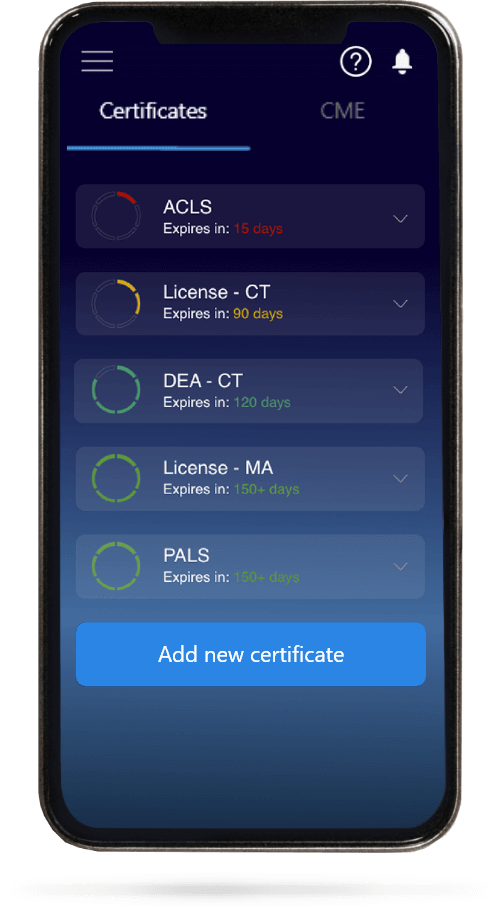
All Your Certificates in One Place
When you have your licenses, certificates and CMEs in one place, it's easier to track your career growth. You can easily share these with hospitals as well, using your medtigo app.