Hidden Risks of Exosome Injections in Pain Management
April 8, 2026




Brand Name :
N/A
Synonyms :
unecritinib
Class :
EGFR tyrosine kinase inhibitor, Antineoplastic agent



Brand Name :
N/A
Synonyms :
unecritinib
Class :
EGFR tyrosine kinase inhibitor, Antineoplastic agent
Dosage Forms & Strengths
Tablet
100 mg
200 mg
250 mg
300 mg
350 mg
Non small cell lung cancer (NSCLC, ROS1 positive) (off-label)
According to study presented at the 2022 European Lung Cancer Congress, unecritinib may increase frontline treatment choices for patients with NSCLC (locally progressed or metastatic non-small-cell lung cancer) that is ROS1-positive
The dose which is studied in phase 2 was 100 mg, 200 mg, and 300 mg via oral administration four times per day for four weeks, and the:
Dose Adjustments
Limited data is available
Safety and efficacy are not established.
Refer to the adult dosing
Actions and Spectrum:
Actions:
A new crizotinib derivative, unecritinib inhibits numerous tyrosine kinases, including ALK, ROS1, and c-MET. It has been studied in Phase I/II trials for safety and efficacy in NSCLC with ROS1 rearrangement positive and advanced tumours. For patients with brain metastases and ROS1-positive NSCLC who have not yet received an inhibitor, it is highly helpful.
Spectrum:
It appears promising for both ALK-positive anaplastic large cell lymphoma cases & solid tumour research.
Frequency not defined
Reduced neutrophil count
Reduced WBC count
Dysgeusia
CNS abnormalities
Dizziness
Increased alanine aminotransferase
Elevated AST and ALT levels
Blackbox warning
None
Contraindication/Caution:
Contraindications
Cautions
Pregnancy consideration:
No data is available regarding the administration of the drug during pregnancy.
Breastfeeding warnings:
No data is available regarding the excretion of drug in breast milk.
Pregnancy category:
Category A: well-controlled and satisfactory studies show no risk to the fetus in the first or later trimester.
<b>Category B: There was no evidence of risk to the fetus in animal studies, and there were not enough studies on pregnant women.
Category C: There was evidence of risk of adverse effects in animal reproduction studies, and no adequate evidence in human studies must take care of potential risks in pregnant women.
Category D: Adequate data with sufficient evidence of human fetal risk from various platforms, but despite the potential risk, and used only in emergency cases for potential benefits.
Category X: Drugs listed in this category outweigh the risks over benefits. Hence these categories of drugs need to be avoided by pregnant women.
Category N: No data is available for the drug under this category.
Pharmacology:
Unecritinib monotherapy is a possible first-line therapeutic option because of its optimistic efficacy outcomes and tolerable toxicity profile as the initial treatment for ROS1-positive NSCLC.
Pharmacodynamics:
Unecritinib is a derivative of crizotinib and is a multi-TKI that targets ALK, ROS1, and c-MET. In in vitro experiments, it inhibits ERK1/2 signalling and AKT phosphorylation.
On cancer cells with mutations, unecritinib has potent inhibitory effects, as seen by decreased IC50 and IC90 values in comparison to ROS1.
Pharmacokinetics:
Absorption
Peak effect of the drug is achieved in 0.5-1 hour.
Elimination and Excretion
The half-life of the drug is 4.6 hours.
Administration:
The drug is taken orally.
Patient information leaflet
Generic Name: unecritinib
Pronounced: un-e-KRIT-i-nib
Why do we use unecritinib?
The drug unecritinib is beneficial for treatment of solid and advanced tumors.
The drug is mainly used for non-small cell lung cancer.

Both our subscription plans include Free CME/CPD AMA PRA Category 1 credits.
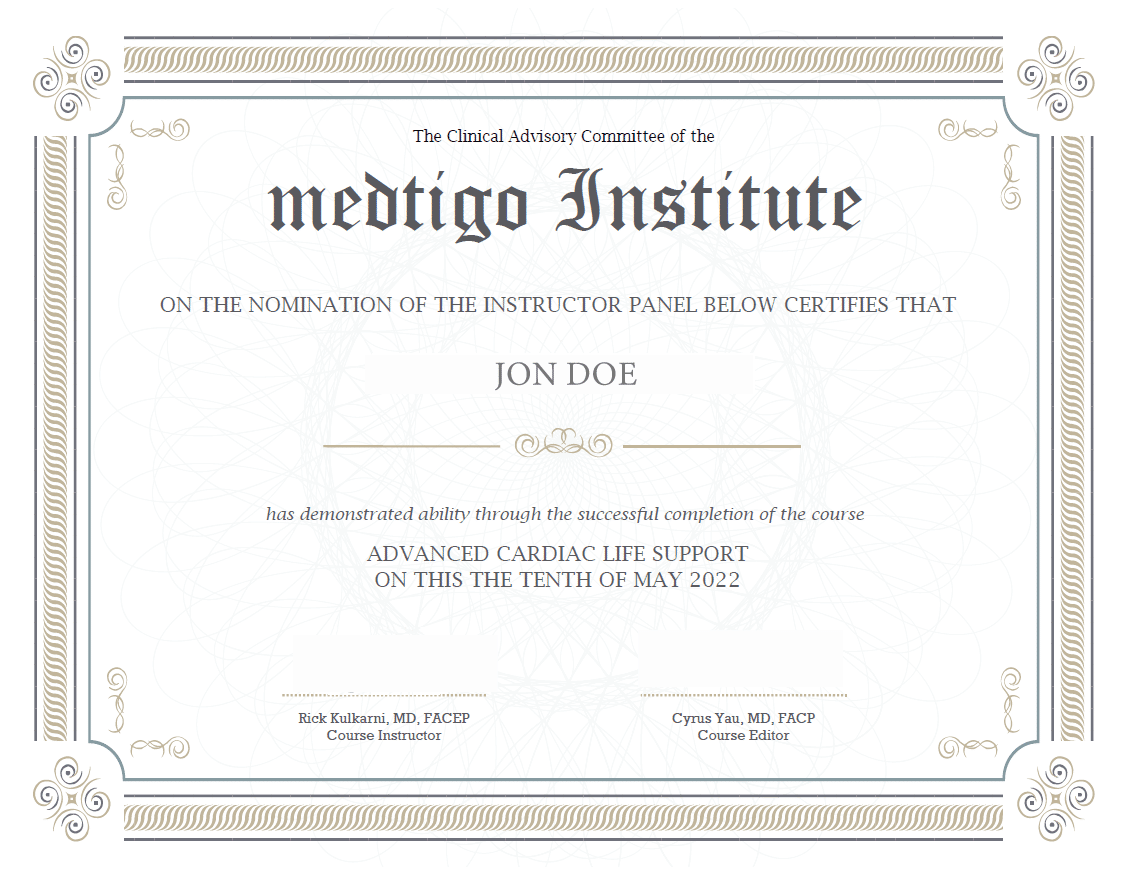
On course completion, you will receive a full-sized presentation quality digital certificate.
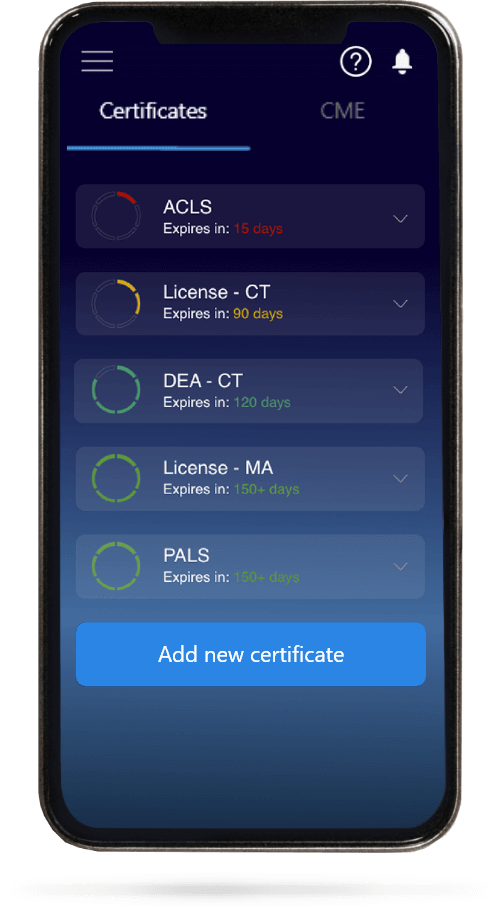
When you have your licenses, certificates and CMEs in one place, it's easier to track your career growth. You can easily share these with hospitals as well, using your medtigo app.