Ostarine: The ‘Invisible’ Doping Threat Trapping Innocent Athletes
February 18, 2026




Brand Name :
Ure-na
Synonyms :
urea oral
Class :
Endocrine & Metabolic





Brand Name :
Ure-na
Synonyms :
urea oral
Class :
Endocrine & Metabolic
Dosage Forms & Strengths
Powder for solution
15g/each sachet
Fluid retention is considered the first line of therapy
Consider as a second-line therapy for moderate to severe hyponatremia
Administer 0.25 to 0.5g/kg every day orally according to the SIAD European guidelines.
Dose range
90.9kg-Administer 22.7 to 45.4 g/day
81.8 kg-Administer 20.4 to40.9 g/day
72.7 kg-Administer 18.1 to 36.3 g/day
63.6 kg-Administer 15.9 to 31.8 g/day
54.5 kg-Administer 13.6 to 27.2 g/day
45.5 kg-Administer 11 to 22.75 g/day
Safety and efficacy not established
Refer adult dosing
Actions and Spectrum:
By osmotically excreting free water, urea lowers serum sodium. urea also alleviates hyponatremia in the syndrome of insufficient antidiuretic hormone production by reducing natriuresis in combination with increasing medullary urea concentration.
Black box warning:
None
Contraindications/caution:
Pregnancy consideration: Insufficient data available
Lactation: Excretion of the drug in human breast milk is unknown
Pregnancy category:
Category A: well-controlled and Satisfactory studies show no risk to the fetus in the first or later trimester.
Category B: there was no evidence of risk to the fetus in animal studies, and there were not enough studies on pregnant women.
Category C: there was evidence of risk of adverse effects in animal reproduction studies, and no adequate evidence in human studies must take care of potential risks in pregnant women.
Category D: adequate data with sufficient evidence of human fetal risk from various platforms, but despite the potential risk, and used only in emergency cases for potential benefits.
Category X: Drugs listed in this category outweigh the risks over benefits. Hence these categories of drugs need to be avoided by pregnant women.
Category N: There is no data available for the drug under this category
Pharmacology:
Osmotic Diuretic: urea has mild diuretic properties due to its ability to increase urine volume by osmotically drawing water into the renal tubules. This diuretic effect is relatively weak compared to other diuretics and is not commonly used.
Pharmacokinetics:
Absorption
oral urea is rapidly absorbed from the gastrointestinal tract. It is a small, water-soluble molecule that can readily pass through the gastrointestinal epithelium.
Distribution
urea is distributed throughout the body after absorption. Its low molecular weight allows it to cross cell membranes readily. urea is hydrophilic and mainly distributed in the extracellular fluid compartment.
Metabolism
urea undergoes enzymatic hydrolysis by the enzyme urease, which is present in the liver. Urease catalyzes the breakdown of urea into carbon dioxide and ammonia. This metabolic process occurs primarily in the liver, and the resulting metabolites are further metabolized and eliminated from the body.
Elimination and Excretion
The main route of excretion for urea is through the kidneys. It is primarily eliminated unchanged in the urine. The glomerulus filters urea and then reabsorbed and excreted in varying amounts depending on factors such as hydration status, renal function, and other physiological conditions.
Administration:
Oral Administration:
Combine one sachet (15 gms) with 3 to 4 ounces of juice or water to drink.
Storage
Store in a dry and cool place
Patient information leaflet
Generic Name: urea oral
Why do we use urea oral?
urea oral is used in the management of hyponatremia as a medical food.

Both our subscription plans include Free CME/CPD AMA PRA Category 1 credits.
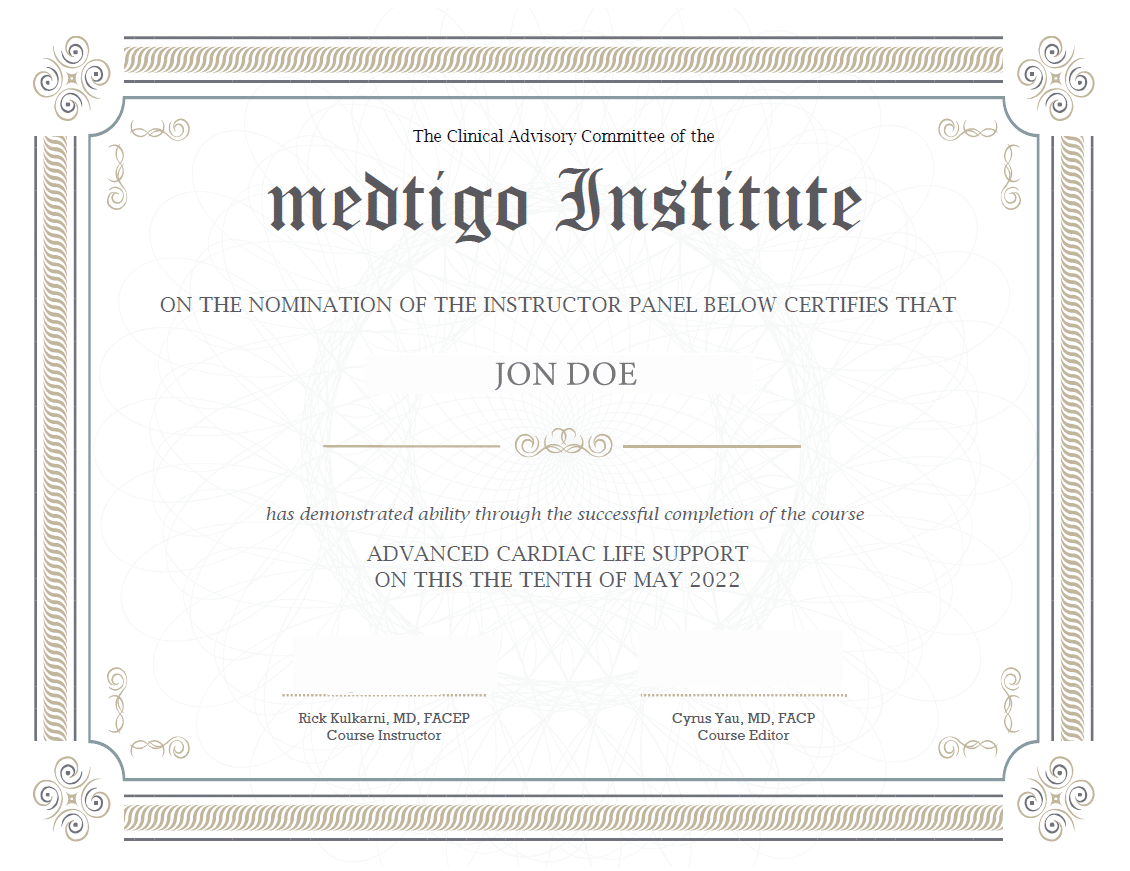
On course completion, you will receive a full-sized presentation quality digital certificate.

When you have your licenses, certificates and CMEs in one place, it's easier to track your career growth. You can easily share these with hospitals as well, using your medtigo app.