Hidden Risks of Exosome Injections in Pain Management
April 8, 2026




Brand Name :
Roctavian
Synonyms :
valoctocogene roxaparvovec
Class :
Gene Therapy, Clotting Factors



Brand Name :
Roctavian
Synonyms :
valoctocogene roxaparvovec
Class :
Gene Therapy, Clotting Factors
Dosage Forms & Strengths
Suspension for intravenous infusion
2 x 10¹³ vector genomes/mL
Each vial contains at least 8 mL (16 x 1013 vg) of extractable volume.
Gene therapy using an adeno-associated virus vector is authorized by the FDA for the treatment of severe hemophilia A (congenital factor VIII insufficiency with factor VIII activity 1 IU/dL) in individuals who have never been exposed to the virus and do not have antibodies against adenovirus serotype 5.
Administer 6 x 10¹³ vector genomes/kg as a one-time intravenous injection.
Calculating the dosage in milliliters (mL) and the number of vials necessary
Patient dosage volume in milliliters: Dose in mL equals body weight in kg x 3
The per kilogram dosage (6 x 10¹³ vg/kg) is represented by multiplication factor 3, divided by the suspension's vg/mL concentration (2 1013 vg/mL).
Vials that need to be thawed: The number of vials that need to be thawed equals the patient dosage volume in milliliters divided by eight, rounded up to the nearest full vial.
The minimum volume that may be extracted from a vial is represented by division factor 8 (8 mL).
Safety and efficacy not established
Refer adult dosing
Actions and Spectrum:
Mechanism of Action:
Spectrum of Activity:
Frequency defined
>10%
AST increases >ULN (69%)
CPK increases >ULN (45%)
Factor VIII activity levels >ULN (28%)
Bilirubin increases >ULN (13%)
ALT increases >ULN (81%)
LDH increases >ULN (57%)
Nausea (31%)
GGT increases >ULN (18%)
Fatigue (16%)
1-10%
Abdominal pain (6%)
Diarrhea (4%)
Gastroenteritis (1%)
Headache (7%)
Infusion-related reactions (7%)
Vomiting (6%)
Dizziness (2%)
Rash (1%)
Black box warning:
None
Contraindications/caution:
Contraindications:
Caution:
Pregnancy consideration: Insufficient data available
Lactation: Excretion of the drug in human breast milk is unknown
Pregnancy category:
Category A: well-controlled and Satisfactory studies show no risk to the fetus in the first or later trimester.
Category B: there was no evidence of risk to the fetus in animal studies, and there were not enough studies on pregnant women.
Category C: there was evidence of risk of adverse effects in animal reproduction studies, and no adequate evidence in human studies must take care of potential risks in pregnant women.
Category D: adequate data with sufficient evidence of human fetal risk from various platforms, but despite the potential risk, and used only in emergency cases for potential benefits.
Category X: Drugs listed in this category outweigh the risks over benefits. Hence these categories of drugs need to be avoided by pregnant women.
Category N: There is no data available for the drug under this category
Pharmacology:
The pharmacology of valoctocogene roxaparvovec involves using an adeno-associated virus (AAV) vector to deliver the therapeutic gene into the patient’s cells.
Pharmacodynamics:
The pharmacodynamics of valoctocogene roxaparvovec (valrox or ValRox) primarily revolves around restoring clotting factor VIII activity in individuals with hemophilia A.
Pharmacokinetics:
Absorption
valoctocogene roxaparvovec is typically administered via intravenous (IV) infusion. After administration, the AAV vector is expected to circulate in the bloodstream, allowing it to reach target cells, specifically hepatocytes in the liver.
Distribution
The AAV vector used in valoctocogene roxaparvovec, AAV5, is designed to target hepatocytes selectively. It may distribute to the liver and enter the cells to deliver the therapeutic gene (factor VIII) to the nucleus for integration into the cell’s DNA.
Metabolism
Once inside the hepatocytes, the AAV vector is not typically metabolized in the same way as small molecule drugs. Instead, the vector’s genetic material, containing the factor VIII gene, is integrated into the cellular DNA. The hepatocytes then utilize their cellular machinery to transcribe and translate the factor VIII gene into a functional protein.
Elimination and Excretion
The excretion pathway of valoctocogene roxaparvovec is not applicable in the traditional sense, as the AAV vector is not expected to be excreted from the body. Instead, the vector and the integrated genetic material persist within the hepatocytes, leading to sustained production of factor VIII protein.
Administration:
Patient information leaflet
Generic Name: valoctocogene roxaparvovec-rvox
Why do we use valoctocogene roxaparvovec-rvox?

Both our subscription plans include Free CME/CPD AMA PRA Category 1 credits.
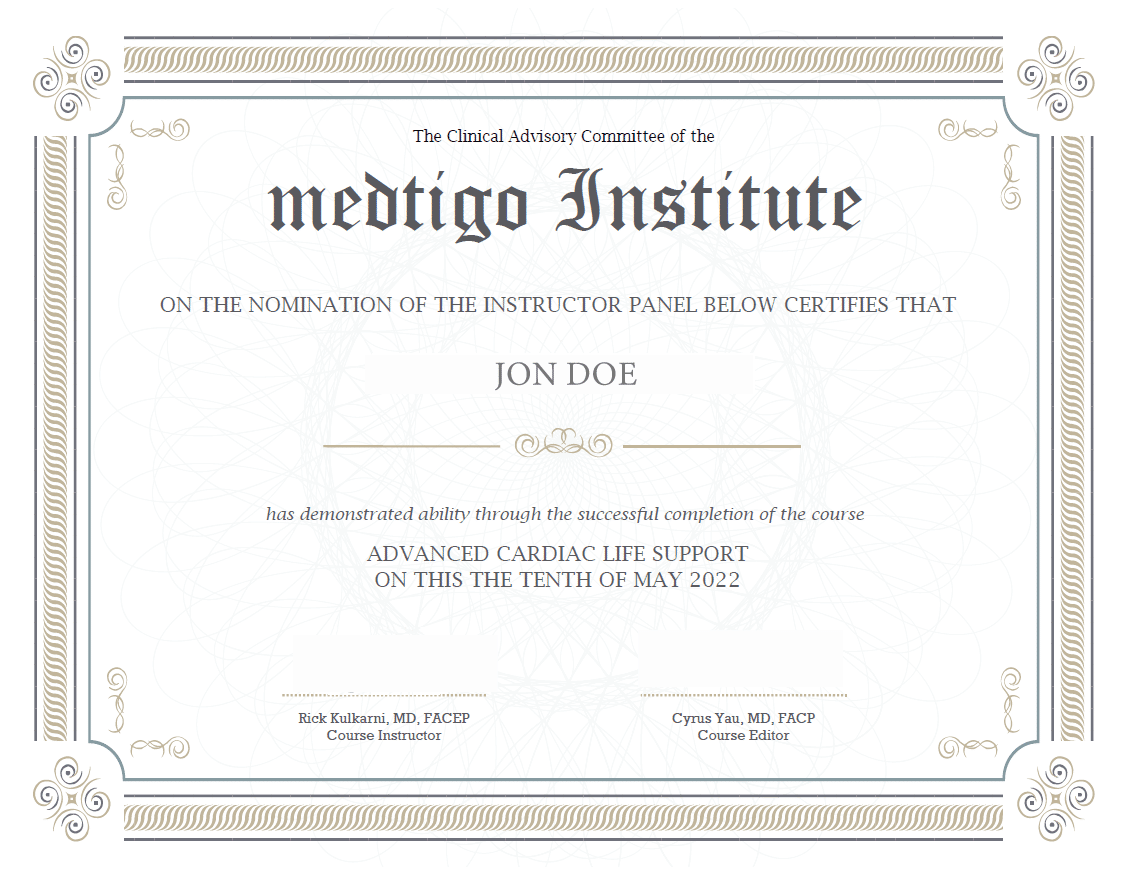
On course completion, you will receive a full-sized presentation quality digital certificate.
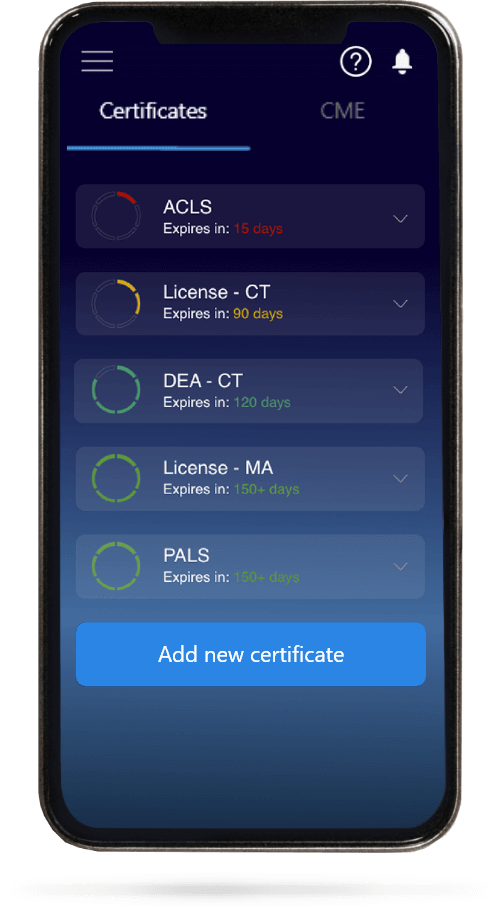
When you have your licenses, certificates and CMEs in one place, it's easier to track your career growth. You can easily share these with hospitals as well, using your medtigo app.