


Enhancing Android Malware Detection through Swarm Intelligence and Autoencoder Techniques Applied to API Call Analysis
J Vis Exp. 2025 Dec 30;(226). doi: 10.3791/69398. ABSTRACT Malware Security Intelligence involves analyzing applications and their metadata to identify potential security threats. Application Programming Interface (API) calls serve as a valuable source of information for detecting malware. Reducing the feature space in malware analysis enhances the efficiency of threat identification. This research seeks to […]
Accuracy of NHS Home Pulse Oximeters Across Skin Tones: A Diagnostic Study
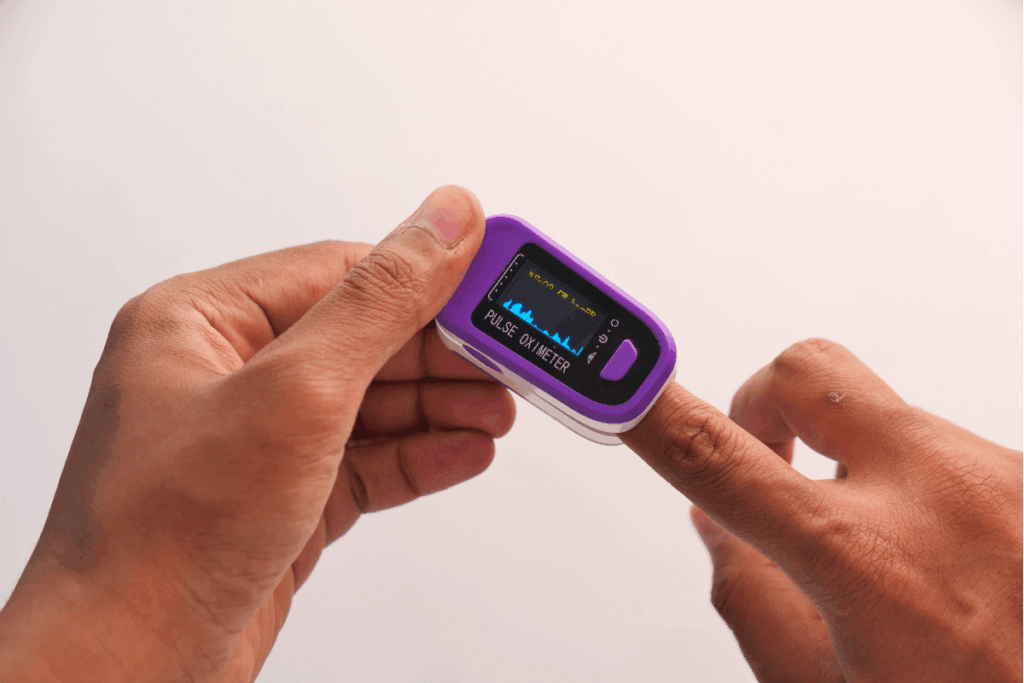
Pulse oximetry is a widely used and non-invasive method to estimate arterial oxygen saturation (SpO₂). It plays an important role in detecting hypoxaemia in hospital and community settings. Low-cost fingertip pulse oximeters were distributed for home monitoring by the NHS England COVID Oximetry @home scheme during the COVID-19 pandemic. Concerns emerged regarding the reading accuracy […]
Smartphone-integrated ratiometric fluorescence sensor using Al3+/BSA-stabilized CuNCs for on-site visual detection of ciprofloxacin in aquatic foods
Food Res Int. 2026 Feb 28;226:118190. doi: 10.1016/j.foodres.2025.118190. Epub 2025 Dec 27. ABSTRACT The residual presence of ciprofloxacin (CIP) in aquatic products raises, increasing concerns regarding bioaccumulation and antimicrobial resistance, necessitating the development of highly sensitive and selective detection methods. Here, we present a novel ratiometric fluorescence sensor based on bovine serum albumin-stabilized copper nanoclusters […]
Navigating the Digital Landscape for Potential Use of Mental Health Apps in Clinical Practice: Scoping Review
JMIR Ment Health. 2026 Jan 15;13:e75640. doi: 10.2196/75640. ABSTRACT BACKGROUND: The global demand for mental health services has significantly increased over the past decade, exacerbated by the COVID-19 pandemic. Digital resources, particularly smartphone apps, offer a flexible and scalable means of addressing the research-to-practice gap in mental health care. Clinicians play a crucial role in […]
Hidden Conversations: How Fat Tissue Around the Colon Talks to the Immune System
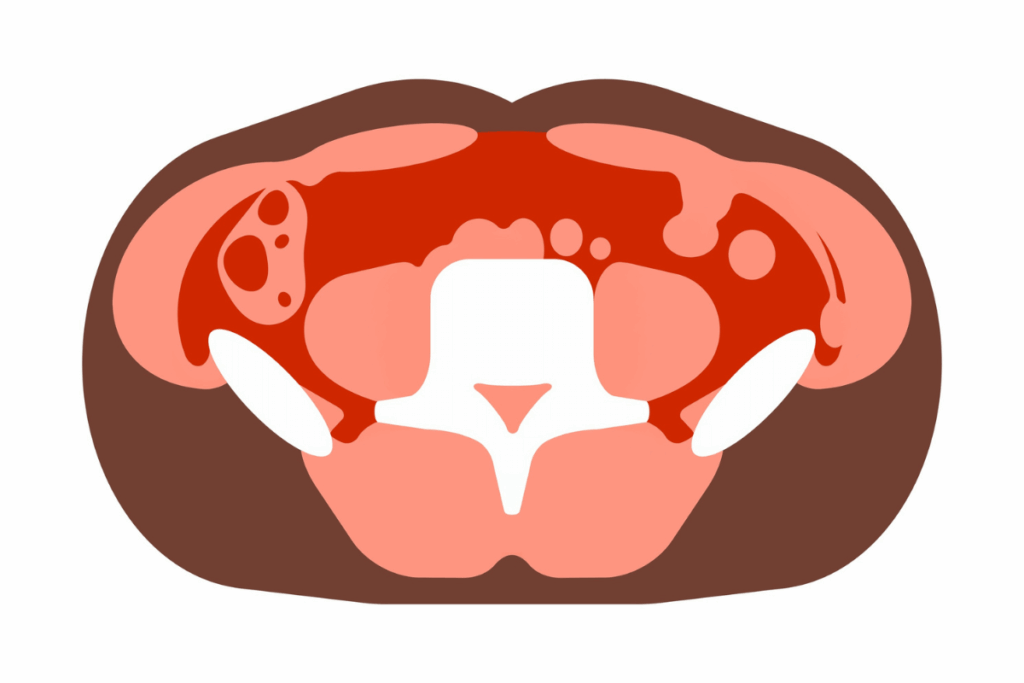
White adipose tissue (WAT) is increasingly recognized as a highly heterogeneous organ, comprising diverse adipocytes, immune cells, vascular cells, and adipose stromal and progenitor cells (ASPCs), all of which play important roles in regulating tissue function. Although the role of omental fat has been extensively studied, relatively little is known about other visceral depots such […]
Digital Monitoring Uncovers the Long-Term Neurological Impact of COVID-19
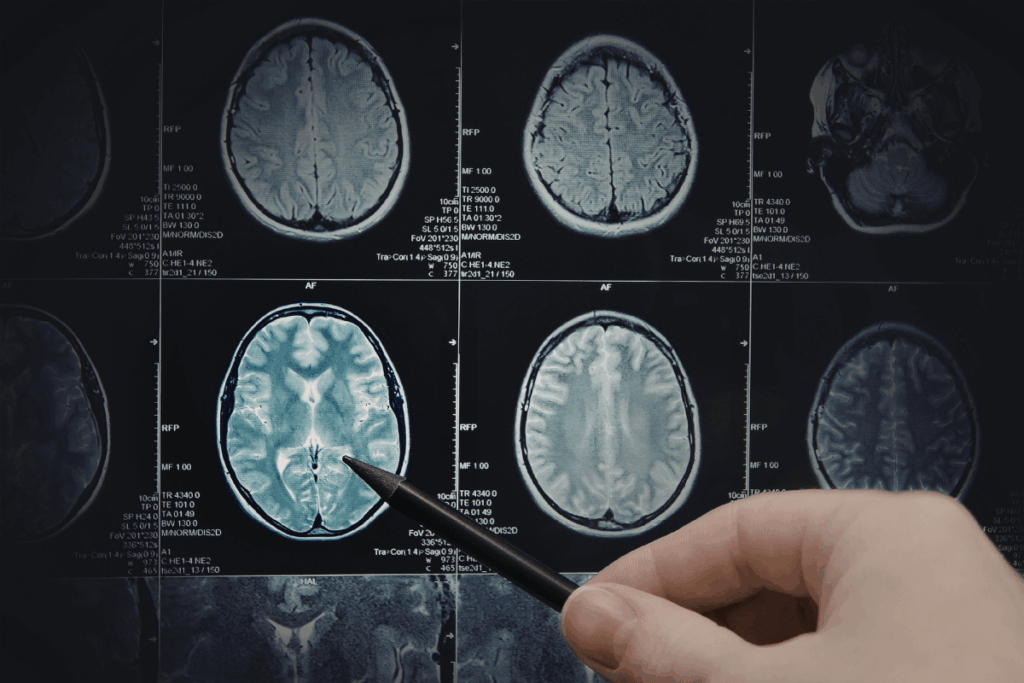
Post-acute sequelae of SARS-CoV-2 infection (PASC) or Long COVID is a condition that is estimated to affect 14 million people in the United States and over 400 million people globally. Some of the most disabling neurologic symptoms of PASC (Neuro-PASC) include chronic symptoms of brain fog and fatigue, headache, dizziness, and sleep issues, which significantly impact the quality of […]
Digital Pathways to Family Bonds: Exploring WhatsApp Video Calls Adoption by Older Adults With Intellectual Disability in Out-of-Home Residence
J Appl Res Intellect Disabil. 2026 Jan;39(1):e70173. doi: 10.1111/jar.70173. ABSTRACT BACKGROUND: The increased longevity of persons with intellectual disability (ID) means growing numbers are moving to out-of-home residence, affecting their contact with family members. Digital technologies may provide a venue for maintaining contact. This study sheds light on their adoption process. METHOD: Sixteen older adults […]
Supporting Dementia Caregiving With a Mobile Care Ecosystem: Development and Mixed Methods Study
JMIR Aging. 2025 Dec 30;8:e78759. doi: 10.2196/78759. ABSTRACT BACKGROUND: Dementia presents substantial challenges for informal caregivers. A gap remains in technology-driven personalized support tailored to caregivers’ needs. OBJECTIVE: This study aimed to develop a theory-driven, multicomponent mobile app specifically designed for caregivers of individuals with dementia and test its usability among end users. METHODS: We […]
How to Evaluate the Accuracy of Symptom Checkers and Diagnostic Decision Support Systems: Symptom Checker Accuracy Reporting Framework (SCARF)
JMIR Hum Factors. 2026 Jan 16;13:e76168. doi: 10.2196/76168. ABSTRACT Symptom checkers are apps and websites that assist medical laypeople in diagnosing their symptoms and determining which course of action to take. When evaluating these tools, previous studies primarily used an approach introduced a decade ago that lacked any type of quality control. Numerous studies have […]
Reducing Work-Related Screen-Time in Healthcare Workers During Leisure Time (REDUCE SCREEN) – A Randomized Controlled Trial
J Med Syst. 2026 Jan 17;50(1):11. doi: 10.1007/s10916-026-02338-9. ABSTRACT The ubiquitous availability of work-related applications on personal devices makes healthcare workers prone to working during leisure time. We tested the hypothesis that an intervention to reduce work-related screen time during a weekend off reduces stress in healthcare workers. Pragmatic parallel design randomized controlled trial between […]


