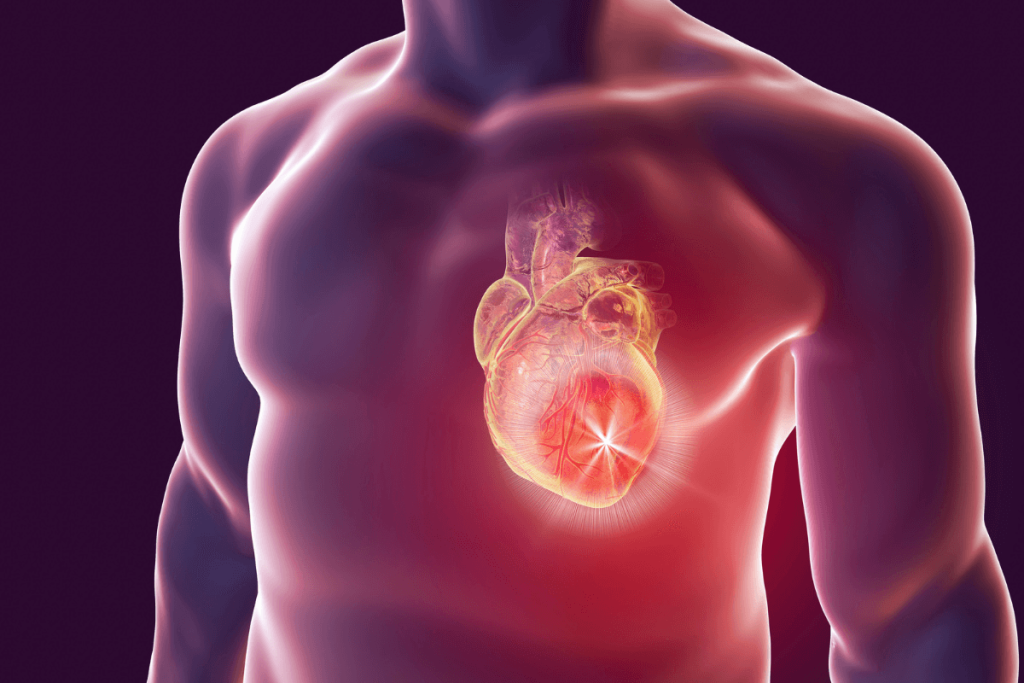
The American College of Cardiology (ACC) developed this scientific statement to update clinicians on the role of inflammation in cardiovascular diseases (CVD). This statement aims to synthesize current evidence and offer guidance on how inflammatory mechanisms influence the management, pathogenesis, and prevention of CVD, such as pericarditis, myocardial infarction, heart failure, and atherosclerosis. This statement builds upon advances since the 2002 Disease Control and Prevention (CDC)-American Heart Association (AHA) workshop, with a focus on immune pathways, cytokines, and chronic low-grade inflammation that drive the progression of CVD. This report also highlights the various therapies targeting inflammation to reduce the burden of CVD and improve clinical outcomes. This report is supported by ACC, authorized by an expert writing committee member, and developed without any commercial influence.
High-sensitivity C-reactive protein (hsCRP) is a commonly used biomarker for vascular inflammation that provides prognostic information for CVD risk. Levels of this marker <1 mg/L indicate a low risk of CVD, 1-3 mg/L an average risk, and >3 mg/L a high risk. Other biomarkers, such as fibrinogen and IL-6, were also used but added little incremental value beyond hsCRP. Imaging modalities, including positron emission tomography (PET), magnetic resonance imaging (MRI), and computed tomography (CT), also showed promising outcomes in detecting the inflamed plagues, but remained research tools. The consensus was that hsCRP screening was recommended for assessment of CVD risk, whereas imaging biomarkers were not advised for routine clinical use.
Elevated hsCRP has been established as an independent predictor of atherosclerosis even among healthy subjects and those without risk factors. A large meta-analysis confirmed its predictive value, which was often comparable to that of blood pressure and greater than that of low-density lipoprotein (LDL) cholesterol. Statins lower both hsCRP and LDL levels. Justification for the Use of Statins in Primary Prevention: an Intervention Trial Evaluating Rosuvastatin (JUPITER) trial showed that rosuvastatin significantly reduced the CVD events in patients with normal LDL but elevated hsCRP.
Recent research links the proinflammatory dietary patterns to higher CVD risk, whereas adherence to the Mediterranean diet with nuts or extra virgin oil reduces the CVD events and inflammation. Consumption of fish (rich in eicosapentaenoic acid [EPA] and docosahexaenoic acid [DHA]) consistently was associated with lower coronary heart disease (CHD), mortality, and CVD. But high-dose omega-3 supplementation (>1 g/day) may increase the risk of atrial fibrillation. A meta-analysis identified dose-dependent reductions in myocardial infarction and CVD events with EPA+DHA, which was partly explained by specialized pro-resolving lipid mediators. Regular physical activity lowers CRP and inflammatory biomarkers, while smoking drives production of cytokines and disrupts inflammatory resolution. Lifestyle interventions can therefore significantly reduce systemic inflammation and the burden of CVD.
The consensus recommended reducing inflammation and lowering CVD risk by following anti-inflammatory diets such as dietary approaches to stop hypertension (DASH) and Mediterranean diet plans, increasing the intake of omega-3 through 2-3 fish meals per day, reducing processed and red meats, sugary beverages, and refined carbohydrates and also engaging in at least 15 mins of moderate or 75 mins of vigorous exercise weekly, quitting smoking, and maintaining a healthy weight.
Recent clinical studies highlight the key role of inflammation in CVD, yet gaps remain in understanding molecular mechanisms, biomarker utility, and immune-cardiac interactions. Future research should explore arrhythmia, novel inflammatory markers, heart failure, multi-biomarker strategies for risk prediction, optimal timing of interventions, and the development of targeted anti-inflammatory therapies.
Reference: Mensah GA, Arnold N, Prabhu SD, Ridker PM, Welty FK. Inflammation and Cardiovascular Disease: 2025 ACC Scientific Statement: A Report of the American College of Cardiology. J Am Coll Cardiol. 2025. doi:10.1016/j.jacc.2025.08.047