






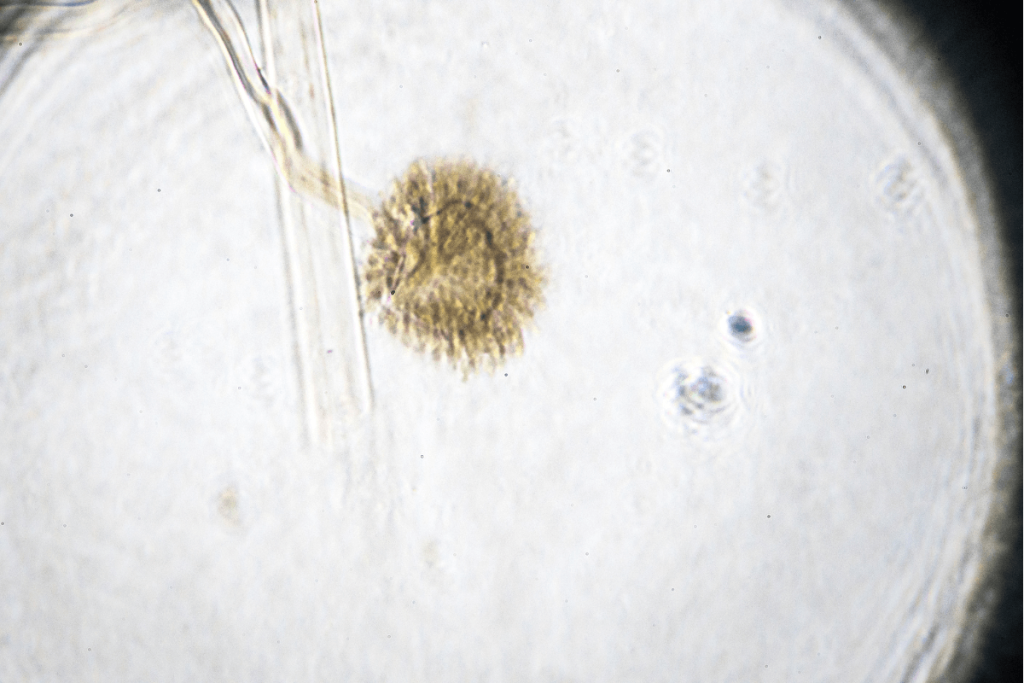
Scientists have identified a microbe with the smallest genome on Earth. These organisms were totally dependent on their host. The metabolism is an important process of life, but it is not supported by its genes. Takayama studied microorganisms associated with Citharistes regius, a single-celled marine dinoflagellate.
Takayama and other colleagues studied the genes of these microbial populations. They discovered small and strange DNA fragments during their study. These DNA fragments consist of a branch of the tree of life called archaea. It carries single-celled bacteria that usually survive in critical conditions. The newly identified microbe was given the name Sukunaarchaeum mirabile by Nakayama. It is basically derived from the Japanese god (Sukuna-biko-na), and the word mirabile means wonderful.
No other known archaeon possesses as few genes as Sukunaarchaeum. It has a total of 238,000 base pairs. The genetic blueprints for life were more complicated during evolution. The domains of bacteria and archaea underwent genomic reduction, in which organisms have fewer genes.
Sukunaarchaeum indicates that it is completely reliant on its host for vital nutrients and energy. Such a high level of metabolic dependency has never been observed in any previous known microorganism. Due to its small genome and complete dependency, it blurs the line between what we define as “alive” and “not alive.
Sukunaarchaeum can reproduce by its own ribosomes without any help from a host with biological structures to create proteins. They focused on areas where C. regius was identified and examined environmental genetic sequence information from worldwide settings. Researchers have found a wide range of sequences with the help of a database called the Tara Oceans Project. They also predict that these sequences should be new with a high archaeal lineage.
According to Nakayama, this new discovery increases the chance of many microorganisms that violate the idea of life, living in microbial dark matter or germs that were impossible to grow in a laboratory setting. The best example of the unexpected results from the ‘natural laboratory of evolution’ is nothing but the extreme and virus-like lifestyle of Sukunaarchaeum.
The large and more complex genomes of these viruses contain the genes involved in the DNA translation process. Nakayama hopes to isolate and cultivate Sukunaarchaeum in the laboratory. With not just its genes, but also want to capture a picture or record a video clip. This will give a better understanding of their ecology, biology, and structure. It also highlights how it survives on the very edge of life.
Reference: Alice Sun. A Rogue New Life Form. Nautilus. Published on August 19, 2025. Accessed on August 20, 2025. This Microbe Challenges the Definition of Cellular Life


