Air is often considered an inhospitable environment for microbial life due to its low nutrient availability; nevertheless, it serves as a major pathway for the transport and dispersal of microorganisms. The sources of airborne microbes include natural reservoirs like soil, water, and vegetation, as well as human activities, and their presence is closely linked to the ecological processes and human health. Historically, the study of airborne microbes has lagged behind investigations in other environments due to challenges in sampling and analysis.
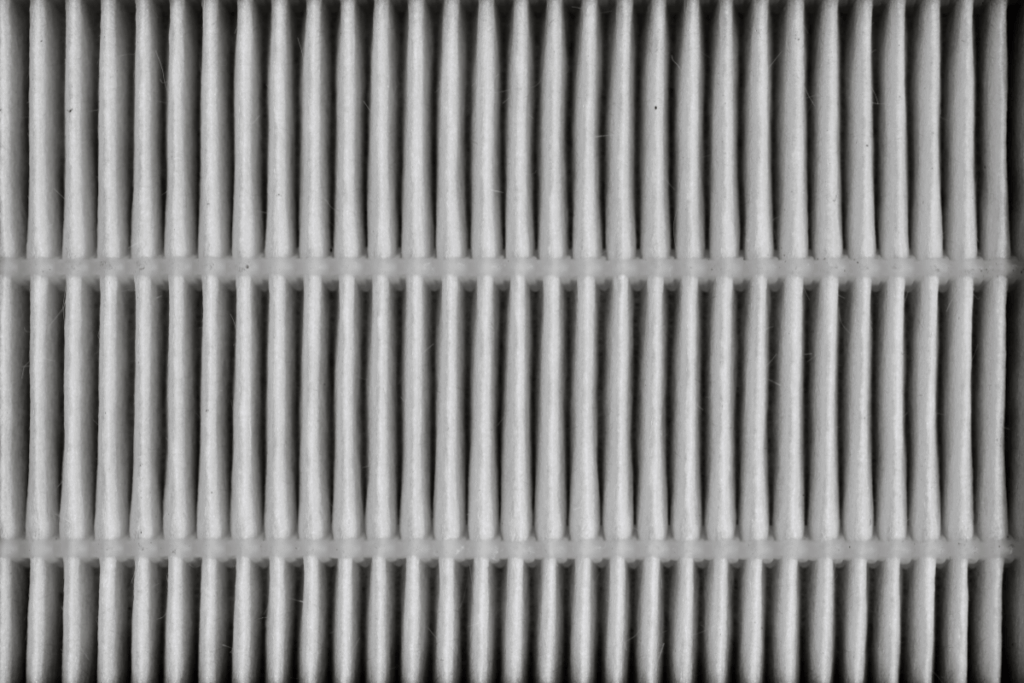
The COVID-19 pandemic renewed attention on airborne transmission, highlighting the limitations of culture-based techniques, which detect less than 1% of the airborne prokaryotes. Metagenomics now provides a more comprehensive view of airborne microbial communities, although challenges such as low biomass, methodological limitations in collection, and contamination remain. HEPA filters and face masks are commonly used as a precaution in high-risk environments like aircraft cabins and hospitals. Since these devices can capture the pathogen, they also serve as convenient air-sampling tools. This research employed shotgun metagenomics to analyze microbial communities collected from aircraft HEPA filters and face masks worn by travellers and healthcare workers, using enrichment methods to address the challenge of low DNA recovery.
A single cabin filter of an aircraft (8039 h) was removed from a commercial airplane and processed aseptically. Sections measuring 4 cm × 4 cm were sampled randomly. Also, 22 three-layer surgical masks were collected after use: 10 from air travelers and 12 from health care providers. The use of traveler masks varied between 2 h 50 min and 15 h (average ~7 h 30 min), whereas medical personnel wore masks during standard 8-h shifts. Unworn masks were used as cabin condition controls.
All the samples of masks and filters were cut into 4 cm x 4 cm squares and subdivided into two equal parts: one for direct DNA extraction (Environmental) and the other for enrichment (Enrichment). For enrichment, samples were cultured in 50 mL of brain heart infusion media at 37°C and agitated for up to 5 days. Aliquots of 1ml were taken after every 24 h, centrifuged, and linked in a pool to extract DNA. Both the environmental and enrichment samples underwent taxonomic profiling and metagenomic sequencing.
A total of 55 samples were analyzed, including 31 Environmental, 22 Enrichment, and two spike-in controls. Among hospital masks, 12 Environmental and 7 Enrichment samples were analyzed; for traveler masks, 20 Environmental and 6 Enrichment samples; and for aircraft filters, 6 Environmental and 6 Enrichment samples. Not all Environmental and Enrichment data were available due to occasional DNA extraction or sequencing failures.
DNA recovery in the environmental samples was low (approximately 0.48 ng/ mL), with higher Ct values (approximately 17.36). Higher DNA concentrations (~20.64 ng/cL) decreased Ct values (~15.62), and copy numbers (~1016) were obtained in the case of enrichment samples. The peak DNA concentrations (~45.44 ng/µL) were obtained in Hospital Enrichment samples, whereas the minimum values of Ct (~12.82) were obtained in traveler Enrichment samples. Aircraft filter: Environmental samples were the least productive.
MetaPhlAn4 analysis revealed that 99.6% of the sequences were bacterial and 0.446% were eukaryotic, with 12 phyla and 407 species across all the samples. Aircraft filters and face masks proved effective as non-invasive air-sampling tools, but the biomass was still quite limiting. The enrichment has greatly enhanced the yield and sequencing coverage of the DNA, leading to the recovery of low-abundance taxa. Enrichment and Environmental samples were significantly different in terms of species abundance (Wilcoxon p = 1.19e-16), but a paired t-test (p-value = 0.5433) did not show any significant changes in the mean abundance. Environmental processing identified 256 species, while enrichment yielded 65 unique species, underscoring its value in detecting rare taxa.
In low-biomass, mixed-community samples, MetaPhlAn detected substantially more species (407) than the MAG-based GTDB-Tk, reflecting the limitations of metagenomic assembly. Bacteria dominated all samples, and expected fungal species were not recovered from controls, highlighting persistent challenges in fungal DNA extraction. Collectively, these findings demonstrate the potential of airborne metagenomic surveillance in real-world settings while highlighting the technical limitations that must be addressed to improve its reliability.
References: Jeilu O, Sumner JT, Moghadam AA, et al. Metagenomic profiling of airborne microbial communities from aircraft filters and face masks. Microbiome. 2025;13:249. doi:10.1186/s40168-025-02276-7