The United States is facing a national health emergency. Approximately 90% of the health care spending is directed toward the management of chronic diseases like heart disease, obesity, and diabetes. Many of these conditions are caused by prolonged poor eating habits and lack of physical activity rather than genetics. Today, over 70% of adults are obese or overweight, and nearly one-third of adolescents have prediabetes. Poor diet is also affecting military readiness and future opportunities for many young Americans. These outcomes are the result of decades of policies that favored ultra-processed foods and pharmaceutical intervention over nutrition and prevention.
In response, the guidelines realign the food system to support food producers, farmers, and ranchers who supply nutritious foods, while prioritizing accessibility and affordability for all families. Under renewed leadership, federal nutrition policy is refocused on public health education, scientific integrity, and accountability.
The dietary guidelines for Americans, 2025-2030, represent a major shift in federal nutrition policy, centered on a clear and direct message: eat real food. These guidelines emphasize returning to whole, nutrient-based foods as the foundation of health and the prevention of various diseases, while significantly reducing consumption of highly processed food products. The goal is to improve health by changing what Americans eat every day.
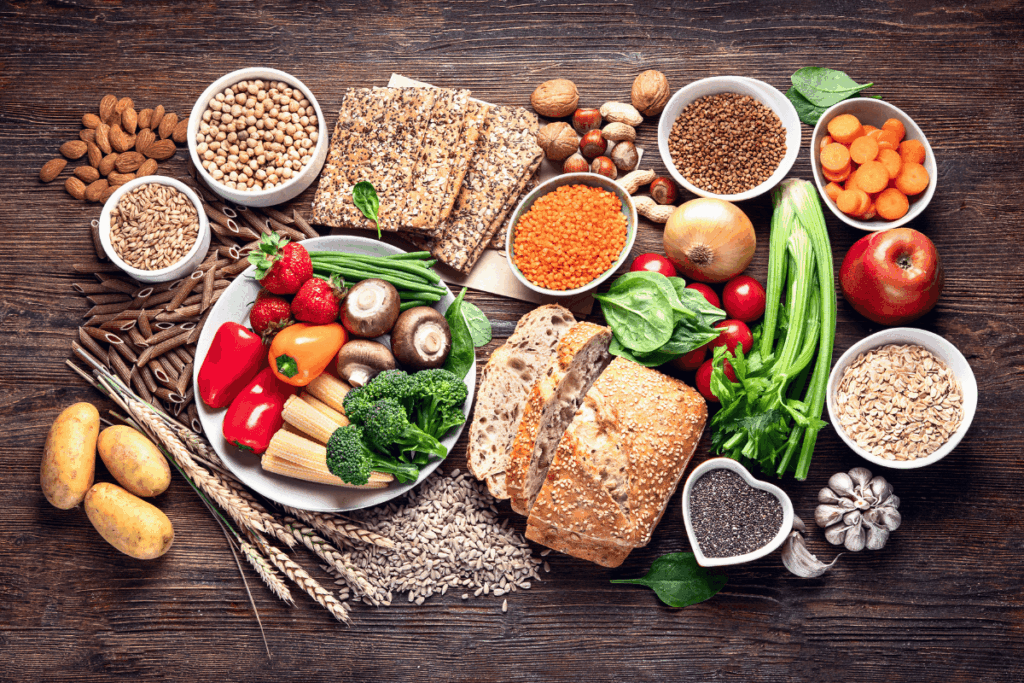
At the core of the guidelines is a dietary pattern built around healthy fats, fruits, dairy, vegetables, whole grains, and high-quality protein. Americans are encouraged to consume a variety of protein sources from both plant and animal origins, such as soy, red meat, eggs, nuts, poultry, seeds, seafood, and legumes. Protein should be included at every meal, with a recommended daily intake of 1.2 to 1.6 gm/kg of body weight per day. Healthier cooking techniques, including stir-frying, roasting, baking, and grilling, are recommended over deep frying. Protein foods should contain no or little added sugar, chemical additives, or refined starch/carbohydrates.
Dairy products remain a key component of a healthy diet. Full-fat dairy products without added sugars are encouraged due to their contribution of vitamins, minerals, protein, and essential fats. For most adults, three servings per day within a 2,000-calorie diet are highly recommended.
Fruits and vegetables should be eaten throughout the day. Consuming a variety of types and colors ensures a broad intake of essential vitamins and minerals. Whole fruits and vegetables are preferred, but canned or frozen options with no or little added sugar are acceptable. Fruit juice should be limited and, if consumed, diluted with water.
Healthy fats are naturally present in many whole foods, including avocados, eggs, full-fat dairy, olives, meats, nuts, and seafood. Cooking oils are rich in essential fatty acids, such as olive oil, which is recommended, while butter and animal fats can also be used in moderation. Consumption of saturated fat should remain below 10% of total daily calories, a global best achieved by minimizing ultra-processed foods.
Whole grains are encouraged for their fiber content, while refined carbohydrates like crackers, packaged cereals, white bread, and tortillas should be significantly reduced. Most individuals should aim for 2-4 servings of whole grains daily.
The guidelines strongly advised limiting preservatives, highly processed food items, petroleum-based dyes, added sugars, sugar-sweetened beverages, and artificial sweeteners. No added sugar is considered beneficial, and a single meal should contain no more than 10 gms. Sodium intake should generally remain less than 2,300 mg/day for adults, with age-specific limits for children.
Special considerations are provided for all life stages, including infancy, childhood, adolescence, lactation, pregnancy, older adulthood, and individuals with chronic disease. Across all populations, the emphasis remains consistent: prioritize whole, nutrient-based food items, and minimize processed food products. Vegetarian and vegan diets can be healthy when carefully planned, with attention to adequate nutrient intake.
Overall, these guidelines encourage healthier choices that support long-term health. By eating real food and reducing processed foods, Americans can improve their well-being and prevent many chronic diseases.
Reference: United States Department of Agriculture (USDA). Dietary Guidelines for Americans, 2025-2030. Published January 2026. Accessed January 9, 2026. Dietary Guidelines for Americans, 2025–2030